
Summary: President Trump and adviser Stephen Miller have attacked Somali immigrants and blamed the 1965 Immigration and Nationality Act for long-term social problems, arguing it changed America’s demographic trajectory. The 1965 law abolished racial national-origin quotas and is widely regarded by historians as a civil-rights milestone that expanded lawful immigration from Latin America and Asia. Experts and data contradict Miller’s sweeping claims: many modern immigrants assimilate quickly, contribute economically, and have lower incarceration rates than native-born populations. The administration’s rhetoric has influenced policy proposals — from benefit cuts to expanded travel restrictions — and shaped language in a new National Security Strategy that raises demographic concerns.
The 1965 Immigration Law Stephen Miller Says 'Ruined' America — Facts, Claims and Context

President Donald Trump and senior adviser Stephen Miller have used sharp, provocative rhetoric to attack Somali immigrants — including U.S. citizens — in recent weeks. At a campaign-style event, supporters chanted "Send her back!" about Rep. Ilhan Omar, and Trump repeated derogatory descriptions of countries he called "shithole" nations. On Fox News, Miller expanded those attacks into a broader critique of post-1965 immigration policy, arguing that the Immigration and Nationality Act of 1965 upended a more cohesive American identity and produced persistent social problems.
What the 1965 Law Changed
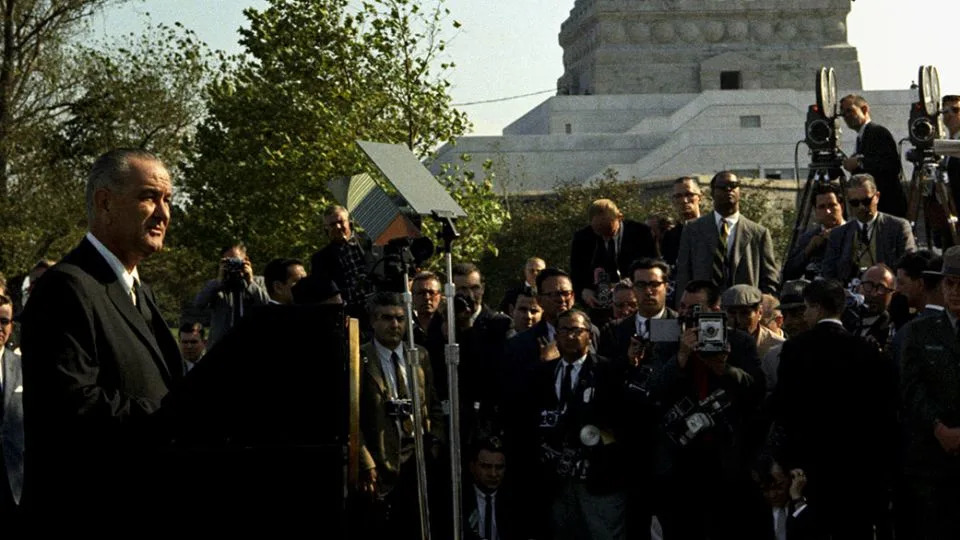
The Immigration and Nationality Act of 1965, signed by President Lyndon B. Johnson at the Statue of Liberty, abolished national-origin quotas that had favored Western and Northern European countries. Johnson framed the reform as a correction to discriminatory immigration rules: it prioritized skills and family ties rather than race or birthplace. After 1965, immigration to the United States shifted toward higher flows from Latin America and Asia while European immigration declined. Historians and archivists — including Mark Updegrove of the LBJ Presidential Library — place the law alongside other landmark 1960s civil-rights achievements for its role in opening opportunity previously closed by ethnicity-based restrictions.
Stephen Miller's Argument
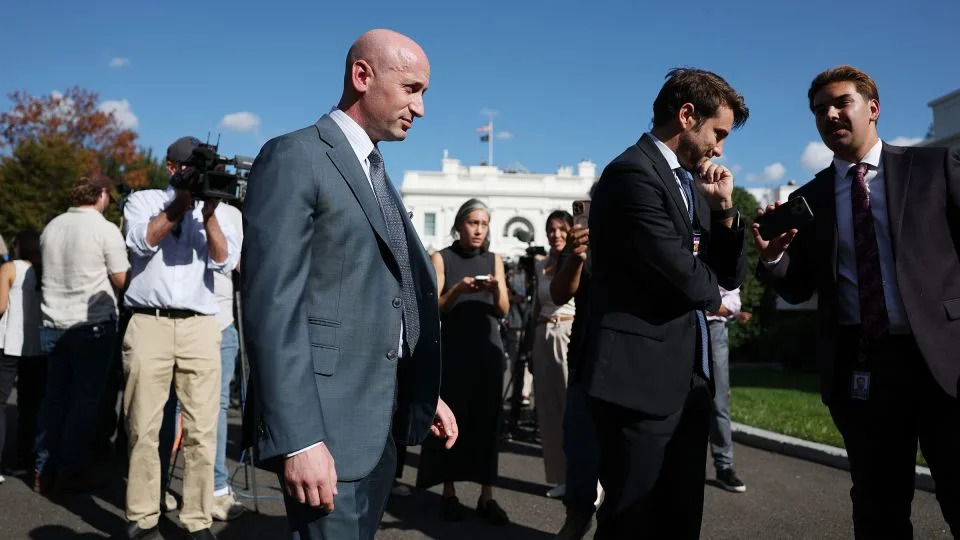
On television, Miller described the post-1965 era as "the single largest experiment on a society" and blamed modern immigration for failing to assimilate and for straining U.S. institutions. He singled out Somali communities in Minnesota — many of whose members arrived legally as refugees in the 1990s — and claimed persistent high welfare use, crime and educational underperformance across generations. Miller also argued that immigrants from countries with failing institutions will recreate those conditions in the United States.

Evidence and Expert Responses
Scholars and policy analysts contest Miller's claims. David Bier of the Cato Institute argued that contemporary immigrants assimilate faster than many earlier waves, are more likely to learn English and earn college degrees, and on balance contribute positively to public budgets and labor-market outcomes. Multiple studies find immigrants have lower incarceration rates than native-born populations and can raise productivity and wages for some U.S.-born workers.
Local reporting in Minnesota also challenges Miller's characterization. Many Somali Americans have become citizens, built businesses, founded community institutions and engaged civically. While some communities face serious challenges — including poverty and crime in particular neighborhoods — broad-brush statements about entire national-origin groups are disputed by data and by local accounts.
Policy Impact And Rhetoric
Miller's rhetoric has informed administration policy and public debate. Republicans have pointed to alleged fraud in pandemic-relief programs as justification for cutting future benefits; Department of Homeland Security leadership has signaled plans to broaden travel restrictions; and the administration's new National Security Strategy frames demographic change and immigration as national-security concerns. The strategy even warns of "civilizational erasure" in Europe if current migration trends continue and describes a "Trump Corollary" to the Monroe Doctrine aimed at preventing mass migration from nearby countries.
Conclusion
The dispute over the 1965 Immigration and Nationality Act reflects a deeper debate about national identity, evidence, and policy. Proponents view the law as a civil-rights milestone that opened the United States to talent and family reunification regardless of birthplace. Critics like Miller argue it altered the country's social fabric and created long-term problems — claims that many scholars, analysts and local reporting say are overstated or contradicted by data. The policy stakes are high because rhetoric shapes legislation, enforcement, and public attitudes toward immigrants and communities already living in the United States.
Key sources: speeches by Lyndon B. Johnson; reporting from CNN and other outlets on Somali communities in Minnesota; commentary from Mark Updegrove (LBJ Presidential Library) and David Bier (Cato Institute).


