Joseph diGenova, a former Trump campaign lawyer, resigned five months after being named to oversee a Justice Department probe into an alleged "grand conspiracy." He was quoted warning against indictments without evidence, then told the AP that while evidence exists investigators need time. The resignation spotlights internal tensions in a politicized DOJ effort that has produced zero indictments or convictions so far, and it is unclear who will lead the inquiry next.
Lead of Trump’s ‘Grand Conspiracy’ Probe Resigns After Delivering Zero Indictments
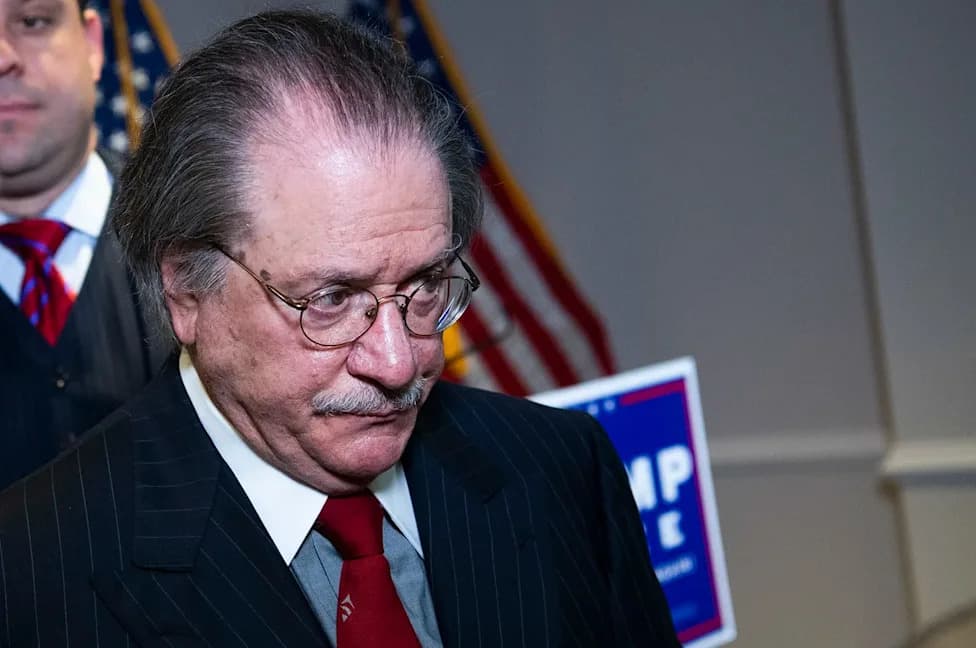
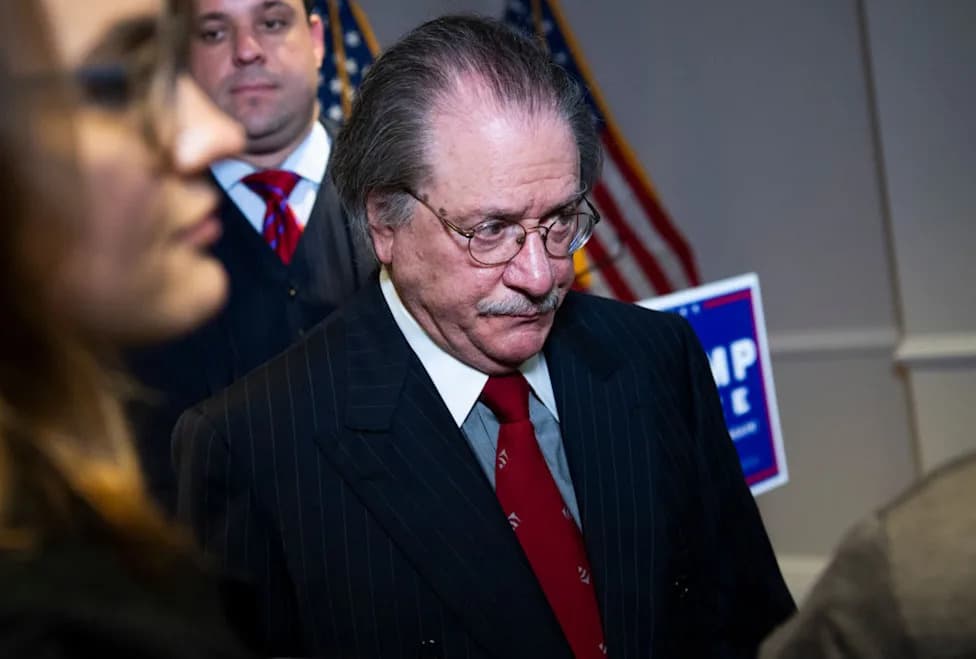
Joseph diGenova, then-attorney for President Donald Trump, concludes a news conference at the Republican National Committee on lawsuits regarding the outcome of the 2020 presidential election on Nov. 19, 2020.
Joseph diGenova, a veteran Republican attorney and former Trump campaign lawyer, resigned five months after being appointed to lead a sprawling Justice Department inquiry that Team Trump has called a "grand conspiracy" investigation.
The inquiry targets former law-enforcement and intelligence officials who scrutinized Donald Trump over roughly the past decade, including probes related to alleged Russian interference in the 2016 election and questions about classified documents at his Mar-a-Lago estate.
How DiGenova Left
The departure drew attention not only for its timing but for diGenova’s comments after he stepped down. In an interview with The New York Post he was quoted saying,
"If you want indictments where there's no evidence, you have an ethical problem."
He later told The Associated Press that the remark was partly taken out of context and clarified,
"There's plenty of evidence in all of these cases to prove the theories of prosecution. It just takes time to get there, and some people want to get there a little faster than others — and you can't do that."
Why It Matters
DiGenova’s initial comment suggested he had faced pressure to pursue charges without sufficient proof. His clarification acknowledged investigators see evidence but signaled tensions over the pace and standards of prosecutions.
Reporting from The New York Times and The Associated Press has highlighted a broader pattern: President Trump has repeatedly pressed prosecutors to charge critics, and efforts to do so have often been checked by judges, grand juries, and the norms separating the White House from the Justice Department.
The Broader Picture
Team Trump’s campaign to pursue alleged "deep state" actors has now stretched almost two years without producing indictments or convictions tied to this initiative. DiGenova’s resignation adds uncertainty about whether the inquiry will continue, who might lead it next, or whether the effort will be scaled back.
Neither the White House nor Mr. Trump had publicly commented on diGenova’s resignation at the time of reporting. The development was first reported by AP and has been covered by The New York Times and other outlets.
Note: This story was originally published on MS NOW and draws on reporting by The Associated Press and The New York Times.
Help us improve.