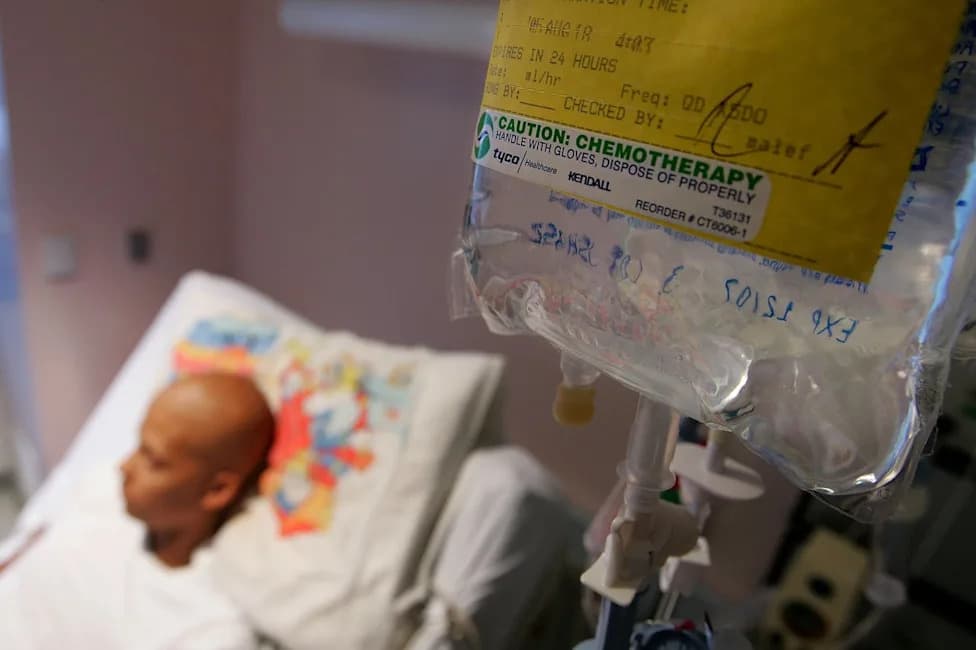
A JAMA Surgery analysis of more than two million U.S. patients (Jan 2012–Dec 2023) found median waits from diagnosis to first treatment increased by over 10 days across six common cancers. The biggest increases were in stomach and lung cancers, and a larger share of patients now wait 60+ days to start therapy. Delays disproportionately affected Black patients, Medicaid enrollees, lower-income communities, long-distance travelers and those treated at academic or high-volume centers. Authors warn prior research links surgical delays to worse survival and call for improved capacity and coordination as care regionalizes.
US Cancer Treatment Waits Grew by Over 10 Days in Past Decade, Study Finds

The study authors cautioned that delays in surgical treatment have been tied to higher death rates and worse long-term survival in previous medical research.
A nationwide analysis published in JAMA Surgery shows median wait times from cancer diagnosis to the start of treatment increased by more than 10 days between January 2012 and December 2023 for six common cancers in the United States.
Study Details
Researchers from the University of California, Los Angeles and Massachusetts General Hospital examined national records for more than two million adults diagnosed with early to locally advanced breast, colon, lung, pancreatic, stomach and esophageal cancers who received surgery as part of their initial care. Wait time was defined as the interval from the date of diagnosis to the first therapeutic intervention, whether that was surgery or preoperative therapy intended to shrink a tumor.
Key Findings
- Across all six cancers, median wait times increased by >10 days during the study period.
- Largest increases: stomach cancer (35 → 49 days) and lung cancer (41 → 53 days).
- Other increases: breast (34 → 45 days), colon (20 → 31 days), pancreatic (23 → 32 days), esophageal (38 → 48 days).
- A growing share of patients waited 60 days or longer to begin treatment.
Disparities and System Patterns
After adjusting for age and comorbidities, longer delays were disproportionately seen among Black patients, Medicaid enrollees, residents of lower-income areas, patients who traveled longer distances for care, and those treated at academic medical centers or other high-volume hospitals. The U.S. West experienced longer delays than other regions. For non-breast cancers, use of robotic surgery was also associated with longer wait times.
Expert Perspective and Implications
"This is part of our healthcare system that needs fixing immediately," said Dr. Marc Siegel, a senior medical analyst at Fox News (not involved in the study). The authors and accompanying commentators from Stanford note that as cancer care becomes more sophisticated and regionalized, improvements in quality may inadvertently create barriers to timely treatment unless capacity and coordination expand in parallel.
Limitations
The study used retrospective data from the National Cancer Database and cannot determine the precise reasons for individual delays (for example, scheduling constraints, logistical barriers or patient preferences). The database also does not record when patients first noted symptoms or first sought medical advice prior to diagnosis.
Bottom line: The findings suggest a concerning trend of longer waits for potentially curative cancer treatment in the U.S., with clear disparities by race, insurance status, income and region. The authors call for policy and system-level changes to improve capacity, coordination and equity in timely cancer care.
Help us improve.