Russia has suffered heavy human and material losses in its war in Ukraine, with CSIS estimating roughly 1.4 million Russian battlefield casualties and an average of about 30,000 casualties per month in 2026. Independent analysts say Moscow has made no operationally significant gains despite costly offensives, while Ukraine has damaged major naval and armored assets and hit energy infrastructure. Economic strain, public war fatigue and stalled volunteer recruitment have prompted renewed debate in Moscow about possible mobilization after the State Duma elections.
Russia’s Mounting War Toll and the Debate Over New Mobilization
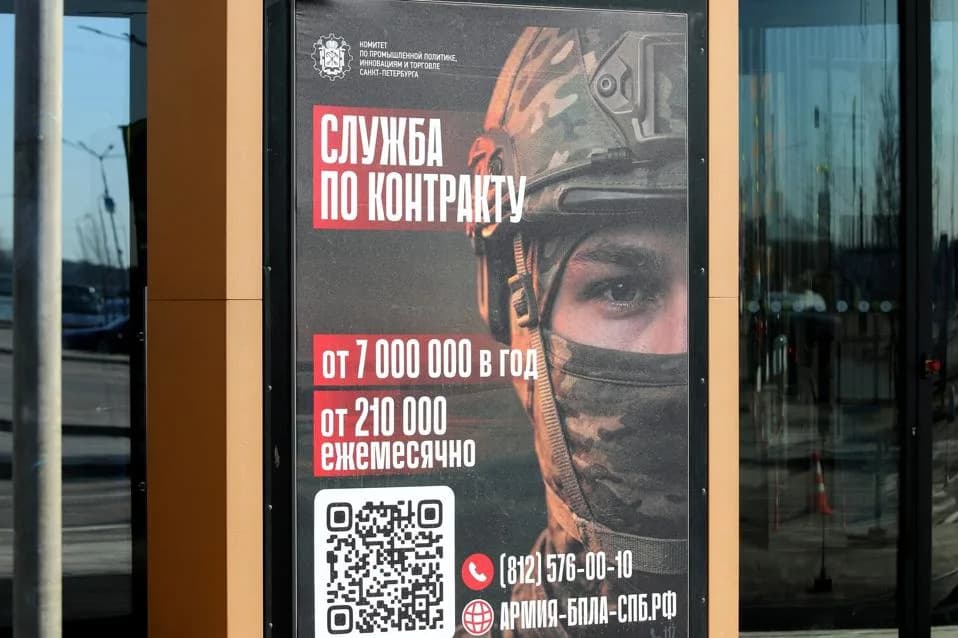
SAINT PETERSBURG, RUSSIA - 2026/04/02: An inscription on an advertising poster in St. Petersburg, Russia: "Contract service." It is indicated that a potential salary of up to 7 million rubles (87,045 USD) per year and from 210,000 rubles (2,611 USD) per month. (Photo by Maksim Konstantinov/SOPA Images/LightRocket via Getty Images)SOPA Images/LightRocket via Getty Images
After more than four years of full-scale war in Ukraine, Russia faces mounting human and material losses as debate grows in Moscow over whether to call up more troops. Independent analyses point to staggering casualty figures, heavy equipment losses, and deepening economic strain—factors that could shape Kremlin calculations ahead of the State Duma elections.
Human Cost and Casualties
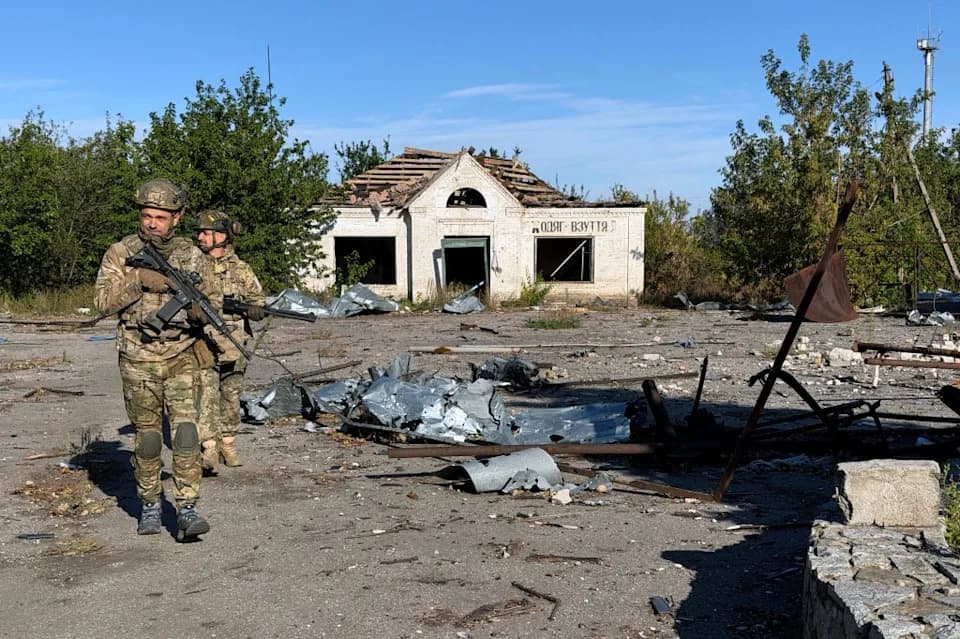
The Center for Strategic and International Studies (CSIS) estimated on July 1 that Russian battlefield casualties have reached roughly 1.4 million. CSIS also found that Russian forces sustained an average of about 30,000 casualties per month in 2026, and that the overall Russian-to-Ukrainian casualty ratio is approximately 8:1. Despite these losses, the Institute for the Study of War (ISW) concluded that Moscow made "no operationally significant gains" during its spring and summer offensives.
Equipment and Economic Damage
Ukraine has inflicted notable material damage as well. Reporting compiled from multiple sources indicates that Ukrainian strikes have damaged or destroyed around half of Russia's Black Sea warships and that Russia has lost a large share of its armored vehicles—reports suggest as much as two-thirds of its tanks since 2022. The Atlantic Council estimates that Russia has forfeited tens of billions of dollars in oil and gas revenue, and sanctions have added billions more in losses.
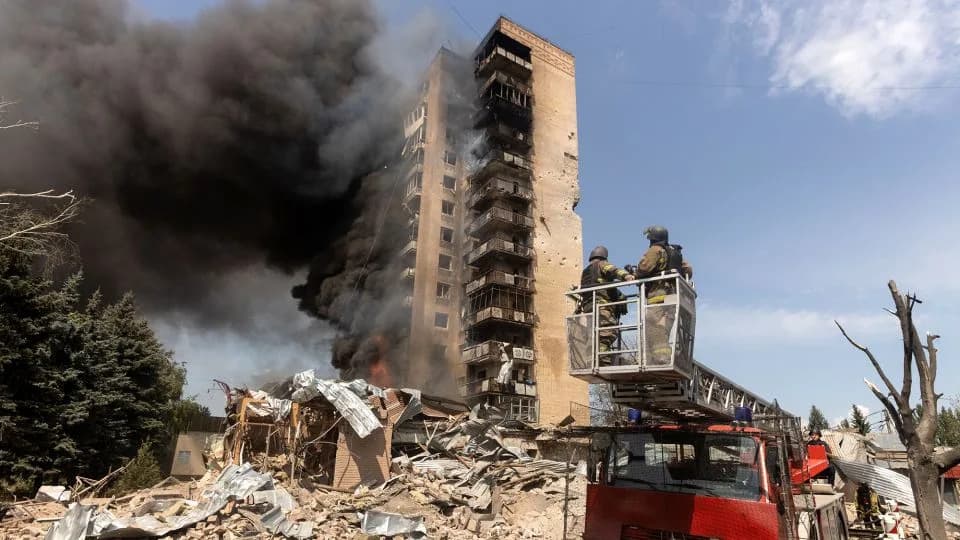
Targeted Ukrainian attacks on energy infrastructure—particularly drone strikes on refineries—have reduced domestic fuel supplies, driven up gasoline prices, and prompted rationing in some regions. These disruptions have ripple effects on transport, logistics and everyday life across the country.
Domestic Impact and Public Opinion
'Russia's war on Ukraine, in the last six months or so, has resulted in persistent everyday inconveniences for the Russian people,' said Andrew D'Anieri, Associate Director at the Atlantic Council's Eurasia Center, citing higher fuel prices, flight delays from drone incursions, closed resorts in occupied Crimea, and rising inflation.
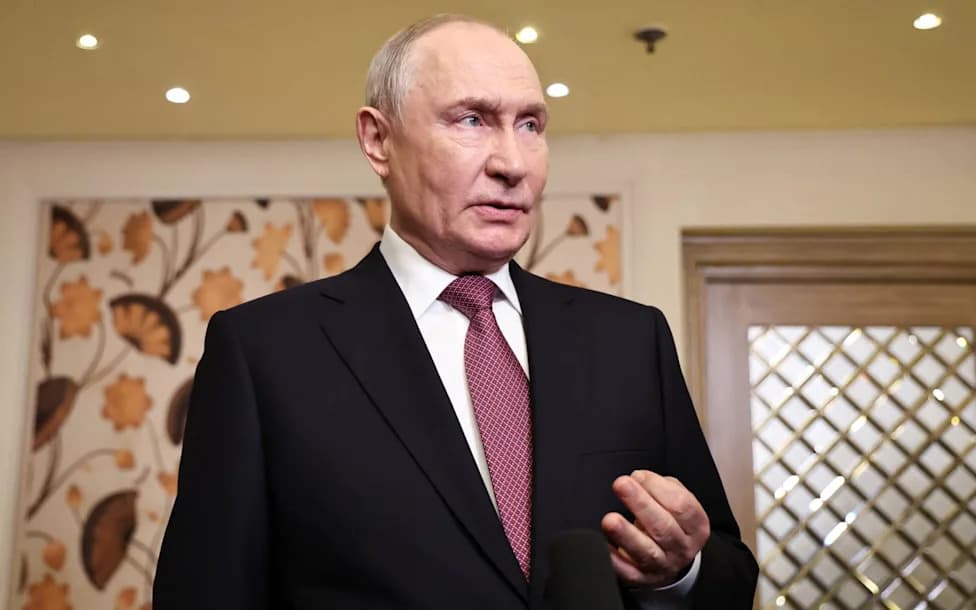
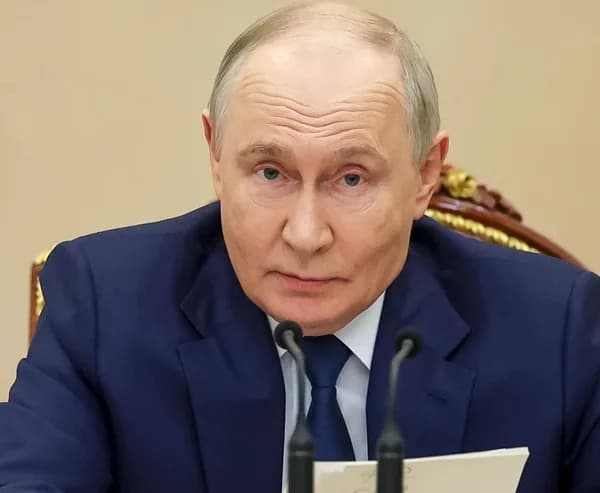
Senior officials have acknowledged mounting pressures. Central Bank Governor Elvira Nabiullina warned of potential labor shortages, and President Vladimir Putin has admitted the economy is slowing. Public opinion reflects growing war fatigue: a Levada Center poll published in March found that 67% of respondents think peace negotiations are now necessary, while only 24% support continued military action.
Mobilization Debate and Military Outlook
With voluntary recruitment reportedly stalled—despite sign-on bonuses, pay increases and tax incentives—media and analysts report renewed discussions in Moscow about a possible new mobilization. Meduza reported authorities are debating a mobilization after the State Duma elections, and the ISW noted Kremlin officials are weighing a range of options to prepare for such a move.
Analysts caution that another mobilization would be aimed primarily at consolidating control in eastern Ukraine's Donbas (Donetsk and Luhansk oblasts), where Moscow says it already controls most territory. But experts including D'Anieri and Dr. Brian Taylor of Syracuse University say additional troops are unlikely to produce decisive strategic change given the heavy casualties and slow, costly advances to date.
What Comes Next
It remains unclear if or when Moscow will order fresh mobilization. What is clear is that casualties and economic strains are rising, and the State Duma elections this September are widely viewed as a likely political inflection point. Observers, supporters of Ukraine and regional analysts will be watching closely for any developments that could shift the course of the conflict.
Sources: CSIS, Institute for the Study of War, Business Insider, Atlantic Council, Meduza, The Wall Street Journal, Levada Center, Moscow Times, Reuters.
Help us improve.