Kentucky’s new anti-grooming law led to the first arrest weeks after it took effect when a Graves County Middle School teacher was charged with grooming a minor. Advocate Laura Wills-Coppelman praised the law for creating an earlier intervention point while stressing that reports are not proof of guilt and must be investigated. The unanimously passed bill aims to stop harmful patterns before they escalate; advocates are also pushing to align educator ethics and institutional reporting practices with the new law.
Kentucky’s New Anti‑Grooming Law Produces First Arrest — Advocate Urges Schools To Heed Red Flags
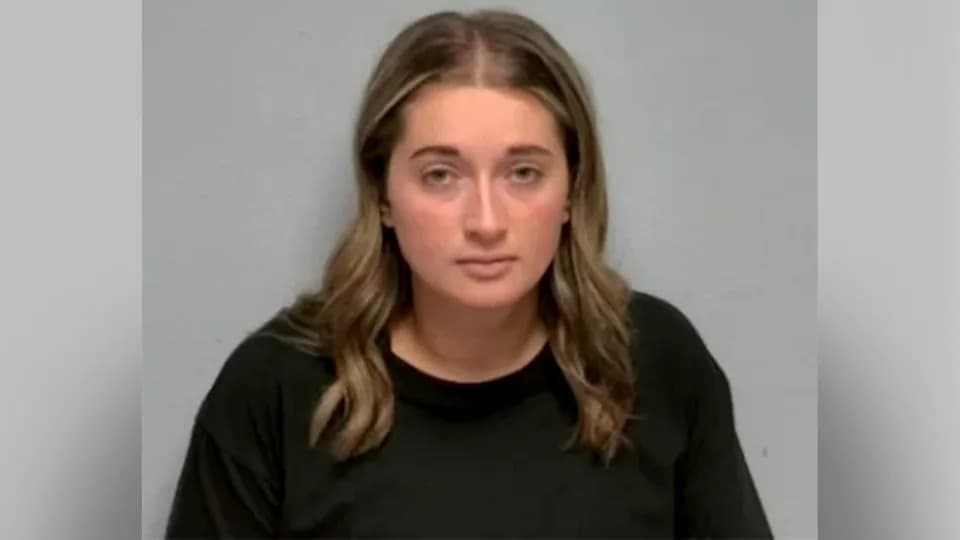
Authorities arrested Graves County Middle School teacher Sadie Flores after an investigation into an alleged improper relationship with a student.
A newly enacted Kentucky anti-grooming law produced its first arrest just weeks after taking effect, prompting advocates to call for clearer boundaries, earlier reporting and stronger institutional accountability in schools.
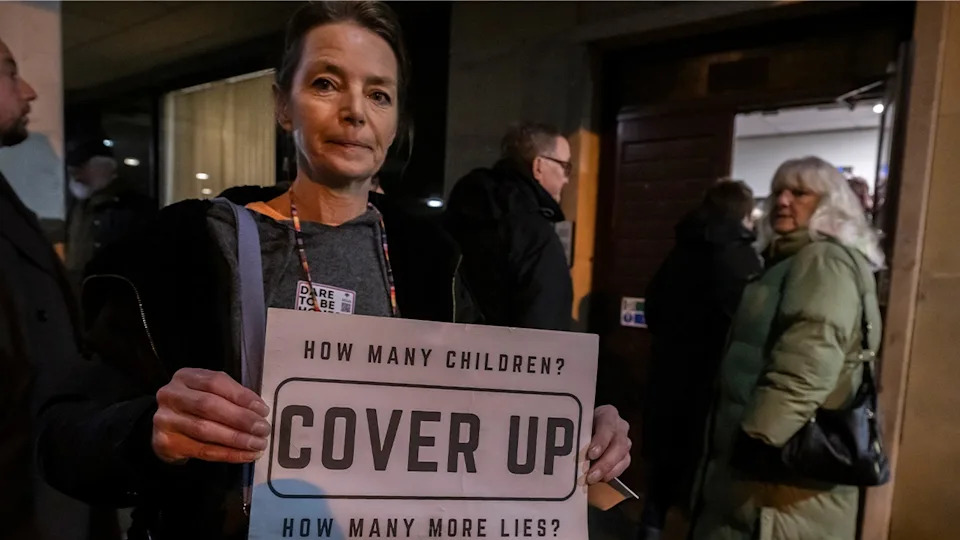
A woman poses with a sign as members of the public queue to enter a council meeting during a protest calling for justice for victims of sexual abuse and grooming gangs, outside the council offices at City Centre on Jan. 20, 2025 in Oldham, England.
Authorities arrested 25-year-old Sadie M. Flores of Mayfield — a teacher at Graves County Middle School — after investigators looked into an allegation of an improper relationship with a student. Flores was charged with grooming a minor, a Class D felony, following an investigation in which detectives seized electronic records and conducted interviews before making the arrest.

Brandon Matthews says he remains unable to determine whether his children could be expected to share school restrooms or locker rooms with members of the opposite sex, according to court filings.
Graves County Schools reported the allegation to law enforcement and has said it is cooperating with investigators. The district also noted it must limit public comment while the matter remains an ongoing legal and personnel issue.

The president of a Georgia teachers union told Fox News Digital that public schools have "been grossly underfunded" due to school choice policies.
Why the Law Matters, Advocates Say
Laura Wills-Coppelman, founder of Institutional Complicity Kentucky (ICKY), said the arrest demonstrates the statute’s intent: to provide an earlier point at which authorities can investigate behaviors that may escalate into sexual abuse.

Kentucky's new grooming law is putting a spotlight on warning signs, appropriate adult-child boundaries and early intervention in schools.
“For the first time, Kentucky has a legal ability to intervene in a situation where a child could potentially face irreversible harm,” Wills-Coppelman said. “It’s a massive step forward in an effort to prevent child abuse.”
Wills-Coppelman emphasized caution about presuming guilt; she noted that an arrest or report is not a finding of guilt and that due process requires investigators and prosecutors to evaluate evidence before filing charges.
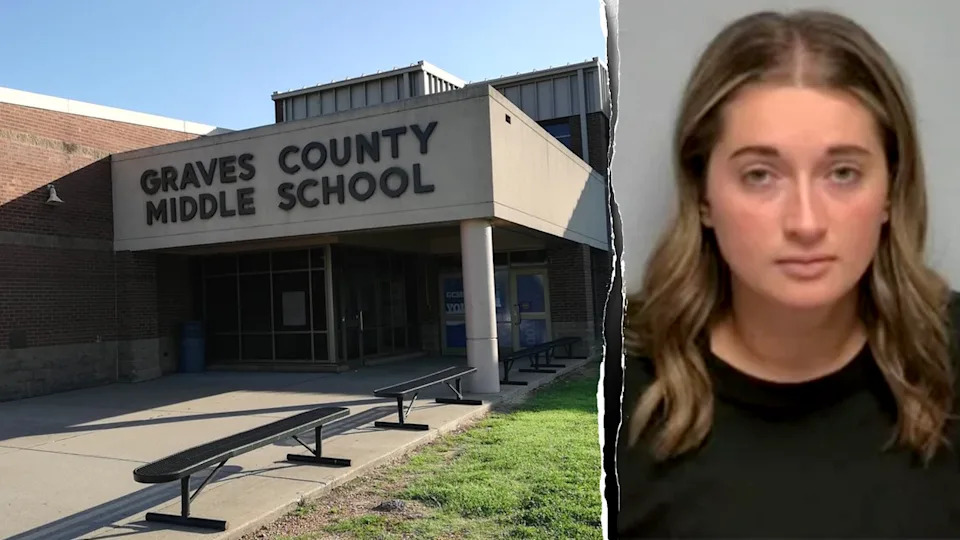
Sadie Flores, a teacher at Graves County Middle School, was arrested after authorities charged her with felony grooming of a minor.
Recognizing Patterns, Not Single Acts
Experts stress that grooming is typically a pattern of behavior rather than one isolated incident. Wills-Coppelman described common warning signs, which on their own may have innocent explanations but become concerning when they cluster or intensify over time:
- Excessive attention or favoritism toward a child
- Giving inappropriate gifts
- Secrecy or attempts to isolate a child from peers and other adults
- Manipulative behavior that builds trust and erodes boundaries
From a child’s perspective, grooming can feel affirming rather than threatening, making it less likely the child will report the behavior. Bystanders and caregivers are encouraged to act on unease or repeated concerning interactions rather than dismissing them.
Legislative Background And Next Steps
The legislation, House Bill 4, passed the Kentucky General Assembly unanimously — the House 98-0 and the Senate 38-0 — and was signed by Gov. Andy Beshear on April 10. The law took effect on July 15.
Wills-Coppelman said the law is intended to create an earlier intervention point, not to criminalize ordinary or legitimate adult-child communications related to school, work or volunteer activities. She is pressing for alignment between the new statute and Kentucky’s educator code of ethics, and for greater accountability when institutions or individuals fail to report troubling patterns.
“We can preserve and respect due process and also prioritize the prevention of abuse and the protection of our children,” she said. “They are not competing principles.”
Kentucky’s first prosecution under the new law will move through the courts, providing an early real-world test of the statute. Advocates say success will be measured not by arrest numbers but by whether the law helps prevent children from experiencing abuse.
Help us improve.