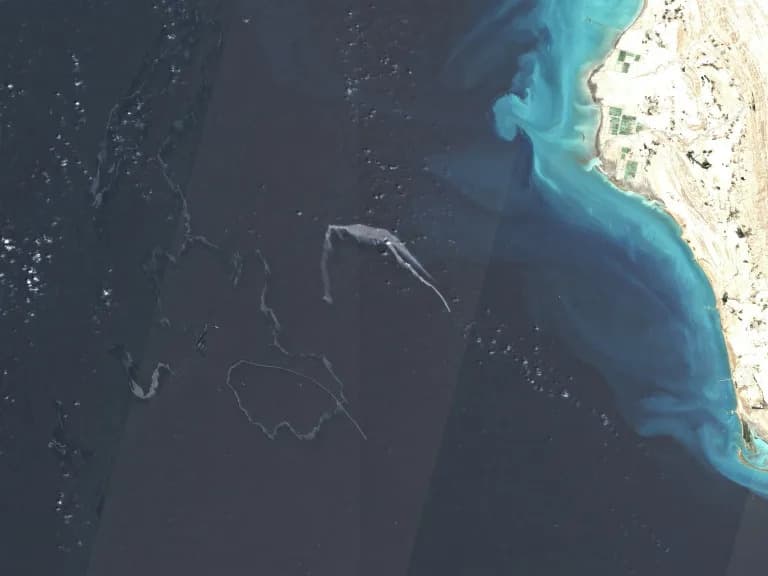
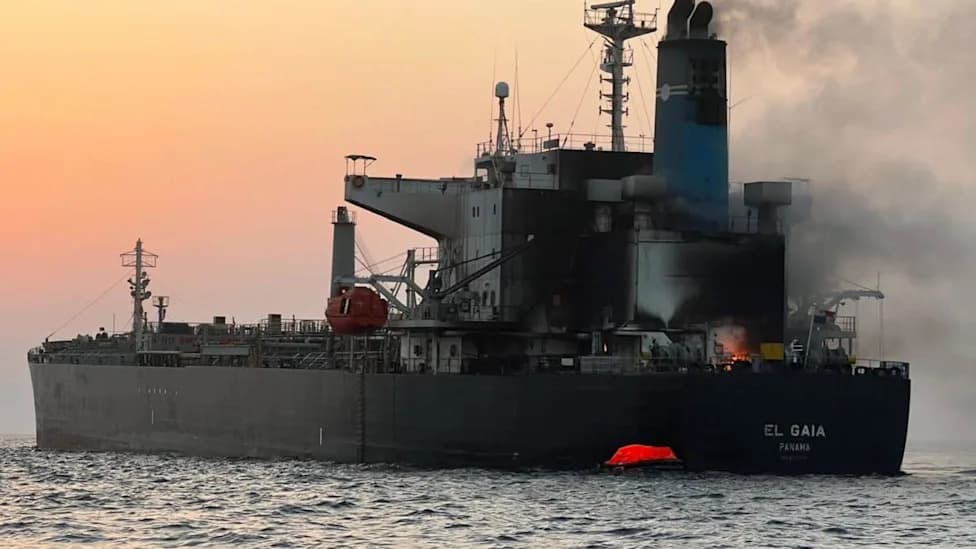
The tanker Caroline Bezengi has leaked oil off southeastern Oman for over six weeks after an apparent blast on June 8 and grounding near the Al Hallaniyat Islands on June 30. SkyTruth estimates the slick covers more than 2,000 square kilometers. The ship was reportedly carrying about 800,000 barrels (~33.6 million gallons) of crude and is flagged to Cameroon, but experts warn a full breakup could produce 40–50 million gallons of pollution. Regional authorities and environmental groups are urging immediate, coordinated action to contain the damage.
Massive Oil Tanker Leaks Near Oman’s Al Hallaniyat Reserve — Slick Now Covers 2,000+ sq km
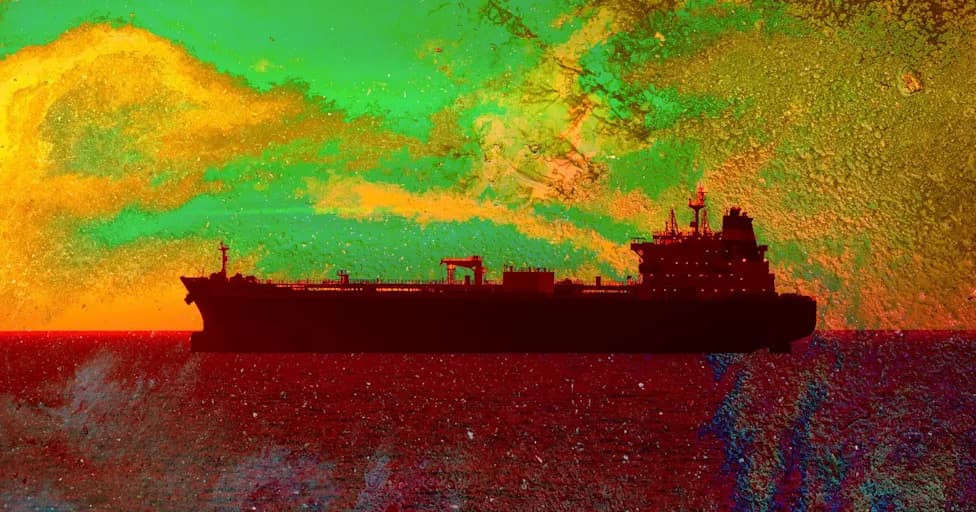
Shutterstock / Futurism
Caroline Bezengi, a large oil tanker reportedly carrying Russian crude, has been leaking oil into the waters off Oman’s southeastern coast for more than six weeks after suffering an onboard blast and later running aground near the Al Hallaniyat Islands — a protected marine reserve and proposed UNESCO natural heritage site.
What Happened
According to reporting, the vessel initially encountered trouble on June 8 when an unspecified "blast" rocked the ship. The tanker then ran aground on June 30 near the Al Hallaniyat Islands. Vessel tracking databases list the ship as flagged to Cameroon and reportedly bound for India with roughly 800,000 barrels of crude oil on board.
Scope of the Spill
Environmental monitors, including SkyTruth, estimate the oil slick now covers more than 2,000 square kilometers. John Amos, CEO of SkyTruth and an oil-spill specialist, warned that unclear authority and a fragmented emergency response have worsened the situation. "A nightmare scenario is there's no adequate response," Amos said, adding that if the ship breaks up under wind and waves it could lose its entire cargo.
"If no nation takes decisive action, the vessel would continue to break up under the steady onslaught of wind and waves and… lose the entire cargo," Amos told Reuters.
Volume Estimates And Uncertainty
The tanker was reported to be carrying about 800,000 barrels of oil — roughly 33.6 million gallons — but some experts have warned a full structural failure could produce a worst-case discharge in the range of 40 to 50 million gallons. The gap between these figures highlights uncertainty about the exact cargo, residual fuel, and how much oil may remain trapped or already released in the wreck.
Why It Matters
The Al Hallaniyat Islands are a sensitive ecosystem with rich marine biodiversity and importance to local fisheries. An uncontrolled, large-scale spill could severely damage habitats, wildlife populations, and coastal economies across Oman and neighboring waters. The contested or unclear jurisdiction over responsibility has delayed a fully coordinated international response, increasing the risk of long-term environmental harm.
Response Needs
Environmental groups and regional authorities are calling for clear leadership, rapid containment, and a coordinated cleanup to prevent the ship from breaking up and to limit further spread. Satellite monitoring, aerial surveillance, and immediate salvage or containment actions are critical to mitigate the worst outcomes.
Latest status: Authorities and NGOs continue to monitor the slick while assessing containment options. The situation remains fluid and subject to rapid change.
Help us improve.