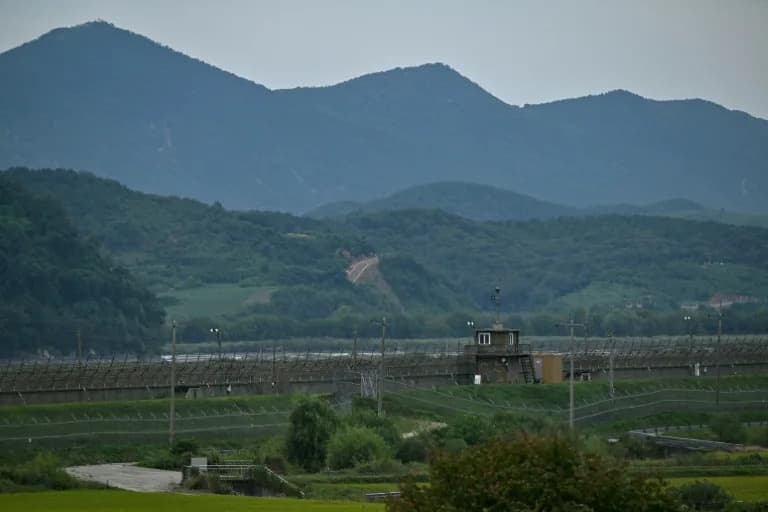
North Korea’s foreign revenue has surged to an estimated $22 billion since Russia’s 2022 invasion of Ukraine, fueling about 3.5% annual growth and visible consumer upgrades in Pyongyang. Much of the money reportedly came from military support to Russia (about $14 billion) and expanded trade with China, even as Beijing remains North Korea’s dominant trading partner. The gains have enriched the regime—via state projects, secretive bodies like Office 39, overseas labor and illicit activities—while roughly 17 million people remain in extreme poverty and about 11 million are undernourished.
Kim Jong Un Consolidates Power as North Korea’s Foreign Revenues Surge to $22 Billion
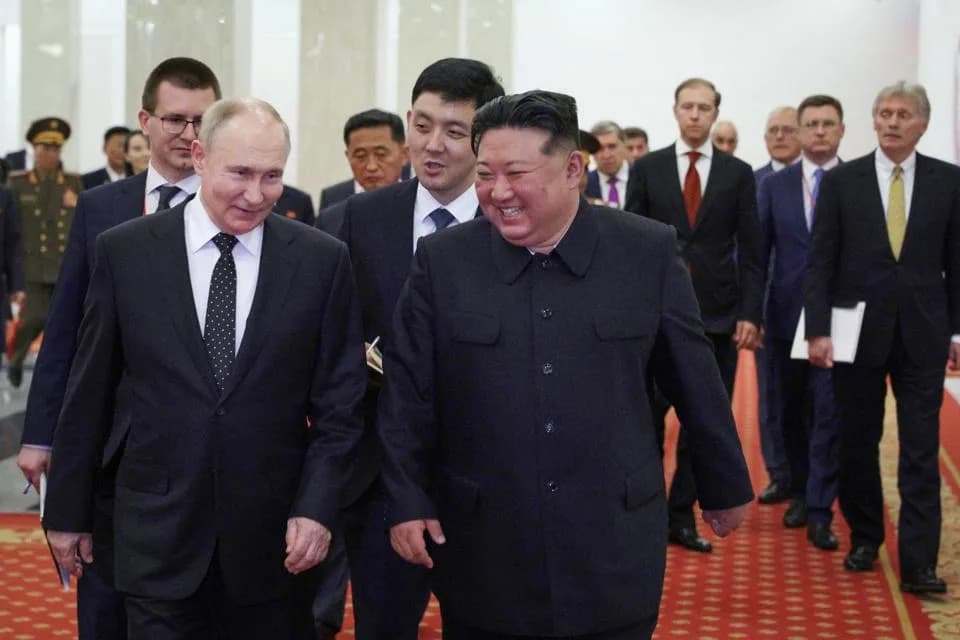
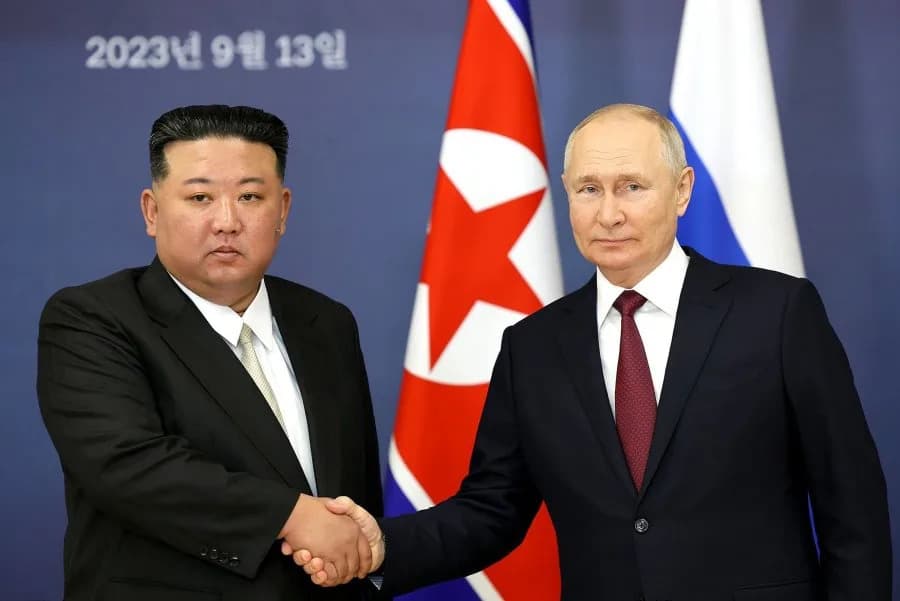
TOPSHOT - In this pool photograph distributed by the Russian state agency Sputnik, Russian President Vladimir Putin (L) and North Korea's leader Kim Jong Un (C) attend a Gala concert in Pyongyang, on June 19, 2024. (Photo by Gavriil GRIGOROV / POOL / AFP via Getty Images) / — Editor's note : this image is distributed by the Russian state owned agency Sputnik -POOL/AFP via Getty Images
North Korea’s foreign income has jumped dramatically since Russia’s 2022 invasion of Ukraine, empowering Kim Jong Un and reshaping parts of Pyongyang while leaving the majority of the population in persistent poverty. Observers estimate roughly $22 billion in foreign revenues across the recent four-year period, and annual growth near 3.5% has produced visible consumer upgrades in the capital alongside a concentration of wealth and state control.
Sources of Revenue
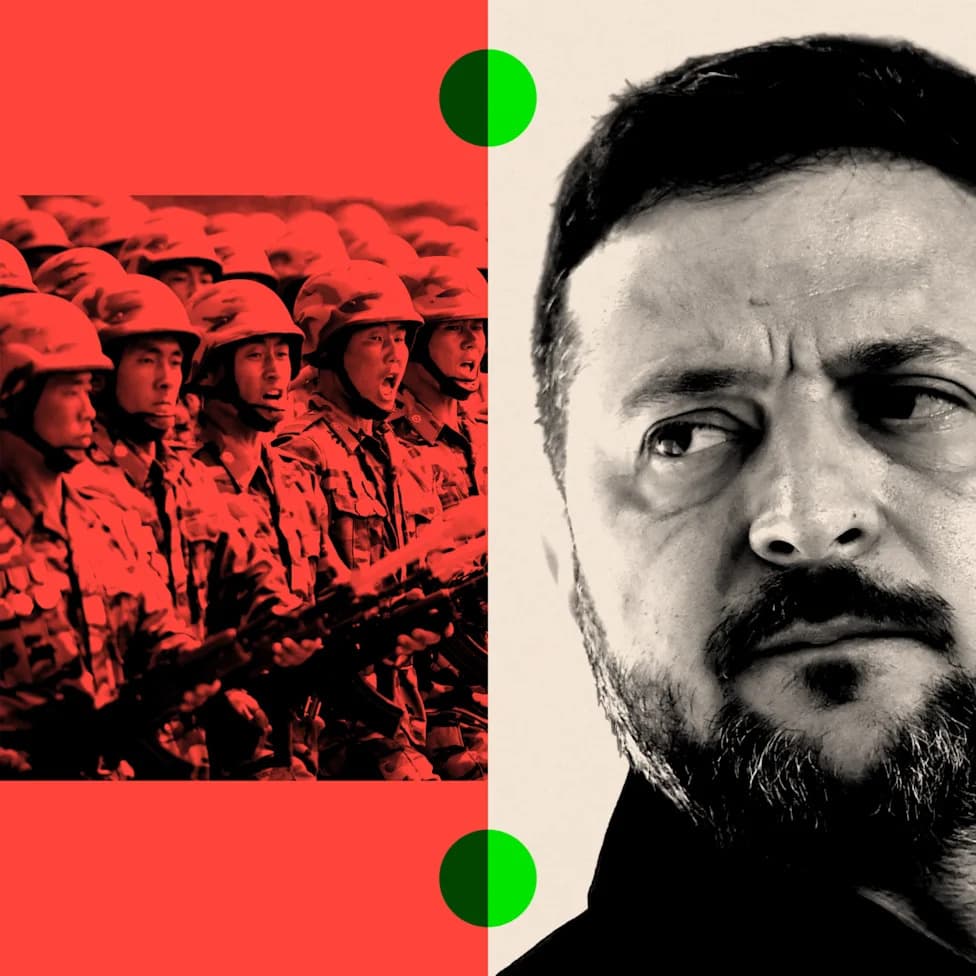
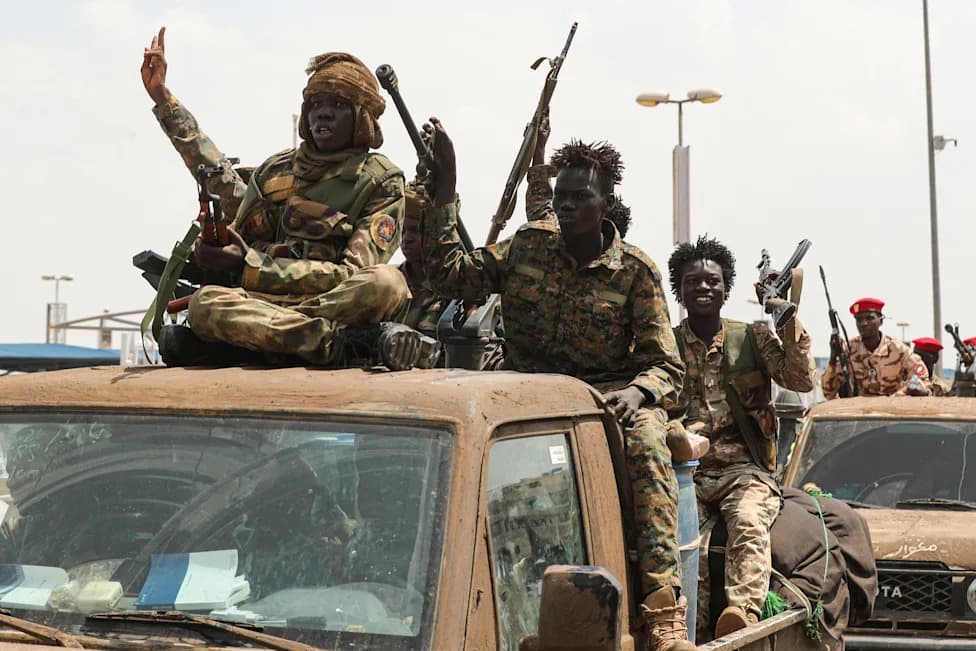
A large share of the windfall stems from deeper ties with Moscow and continued economic dependence on Beijing. Analysts estimate Pyongyang earned roughly $14 billion by supporting Russia militarily and received hundreds of millions in trade and aid from China. Ukraine’s government estimates that in 2024–2025 North Korea supplied about half of the munitions Russia used on the front lines, including roughly 120 missiles and millions of artillery and mortar rounds, and that Pyongyang dispatched about 14,000 troops—potentially rising to as many as 50,000.
China Still Central, But Moscow Is Rising
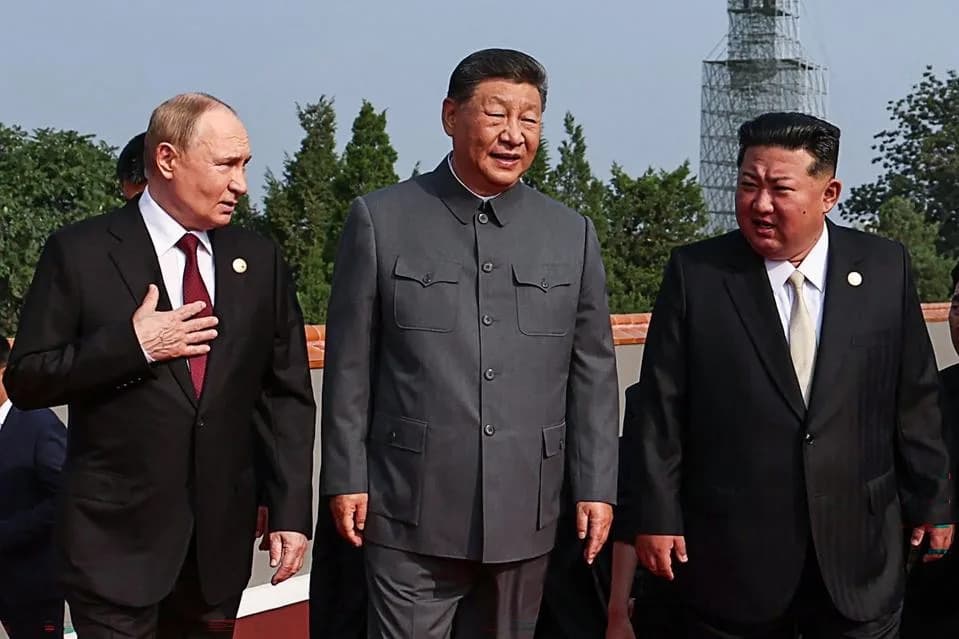
Despite a growing partnership with Russia, China remains North Korea’s economic lifeline. As much as 95% of North Korea’s external trade is routed through China, and Beijing has historically run a trade surplus with Pyongyang. Trade has grown recently—two-way trade rose nearly 20% this year—and exports such as wigs, hair products and tungsten ore have increased. Beijing has stepped up diplomatic and practical ties: Xi Jinping met Kim Jong Un in June (their first face-to-face meeting in seven years), passenger rail service between Beijing and Pyongyang resumed in March, and direct flights have returned.
Military and Diplomatic Context
China’s renewed outreach reflects concern over shifting regional dynamics as Russia and North Korea deepen cooperation. The 1961 Sino–North Korean treaty obliges both parties to offer assistance if the other is attacked without provocation, and Chinese leaders view closer ties with Pyongyang as a strategic counterweight to Russia, a hedge against Japan’s rearmament, and a factor in cross-Strait calculations regarding Taiwan. Over the past 18 months, Moscow and Pyongyang reportedly held roughly 23 high-level visits versus about eight between China and North Korea.
Who Actually Benefits?
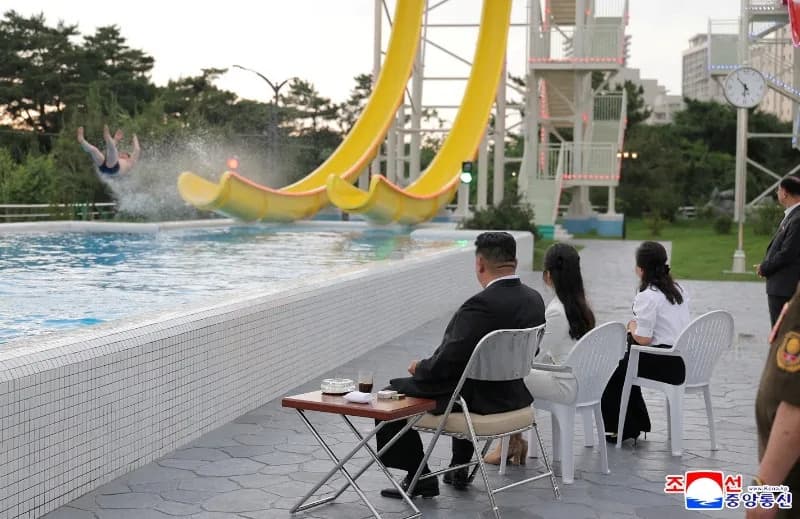
Some of the new revenues have been funneled into high-profile projects in Pyongyang: upscale restaurants, neon-lit streets, new skyscrapers, electric vehicles and consumer technologies such as ride-hailing apps. But most North Koreans have seen little improvement in living standards. Compared with South Korea, North Korea remains extremely poor: of roughly 27 million people, an estimated 17 million live in extreme poverty. UN agencies estimate that over 40% of the population—about 11 million people—are undernourished. In many areas a doctor’s monthly salary can buy less than one kilogram of rice.
Markets, Crackdowns, And Regime Revenues
Informal markets (jangmadang) that expanded during the 1990s famine provided crucial survival options and helped circulate foreign consumer goods and information. The regime initially tolerated and taxed these markets, but in 2020 the government launched a broad campaign—citing COVID-19—to curb foreign influence and market activity. Authorities reportedly tightened border controls and used force to deter smuggling, while many merchants were pushed back into state-run shops, redirecting profits to central coffers.
A separate and opaque income stream is Office 39 (Room 39), a secretive apparatus established in the 1970s to manage slush funds for the ruling family. Estimates of its holdings vary, and some analysts suggest it could be worth billions. Defectors and investigators point to revenue from arms sales, illicit drugs, cybercrime (including a reported $2 billion cryptocurrency theft in 2025), and earnings from North Koreans sent to work abroad. An overseas labor program—employing workers in construction, textiles, healthcare, IT and hospitality in some 40 countries—generates an estimated $500 million annually while paying workers very low wages under strict surveillance.
Concentration Of Wealth And Political Impact
Satellite imagery and reporting document luxury residences, a fleet of high-end European cars, a private jet and a multimillion-dollar yacht associated with the leadership. Analysts argue the economic uptick has consolidated Kim Jong Un’s domestic control rather than producing democratizing pressure. Despite international sanctions, the regime appears stronger now in many respects than in past decades, but the benefits remain highly concentrated in the capital and among elite networks.
Originally published on Forbes.com. This article synthesizes public reporting and official estimates; some figures (for example, munitions supplied, revenue estimates, and Office 39 valuations) are contested and based on a mix of government, media and defector sources.
Help us improve.