Southern California beaches are seeing a sharp rise in stingray stings as a persistent marine heat wave and an early El Niño push subtropical rays closer to shore. Lifeguard data show more than 3,100 incidents at Bolsa Chica and Huntington State Beaches this year, with Huntington Beach alone reporting over 2,000. Scientists cite warmer nearshore temperatures and fewer predators as drivers; officials urge shuffling feet, using hot-water soaks for treatment, and following local advisories.
Stingray Stings Surge as Marine Heat Wave and Early El Niño Drive Rays Closer to Southern California Beaches
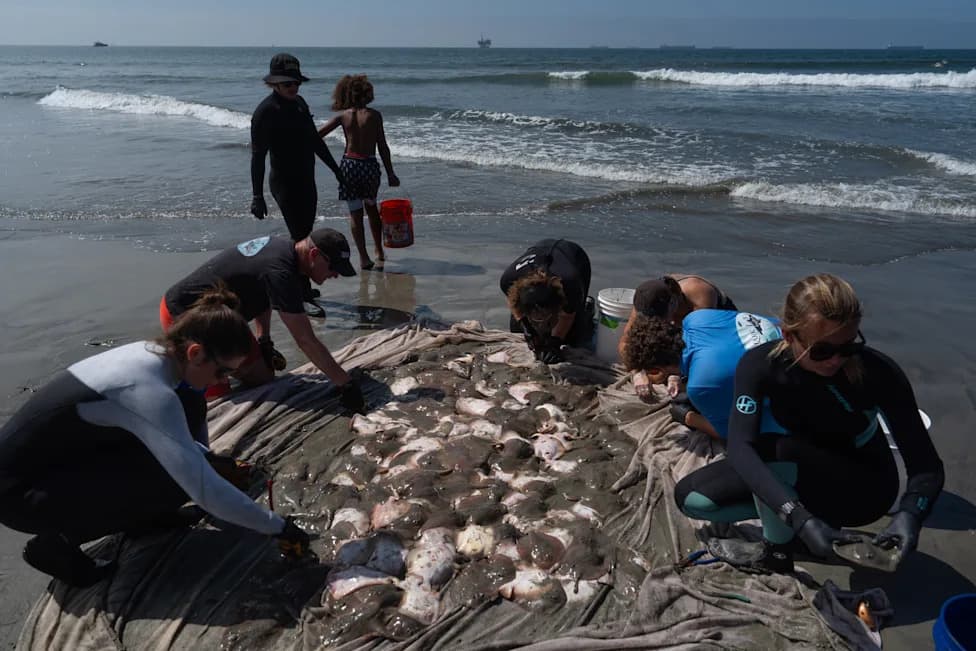
Researchers gather around a pile of stingrays to clip their barbs after catching them in Seal Beach, Calif., Friday, Aug. 7, 2026. (AP Photo/Jae C. Hong)(AP Photo/Jae C. Hong)
HUNTINGTON BEACH, Calif. — Jake Hemann grabbed a surfboard and paddled out, but an hour later he was at a lifeguard station soaking his injured foot in a bucket of hot water with four other beachgoers after stepping on a stingray.
The scene has become common at Bolsa Chica State Beach and other Southern California shores, where lifeguard data show a sharp rise in stingray injuries this year as a persistent marine heat wave — amplified by an early El Niño — draws more rays nearer to shore and more people into the surf.
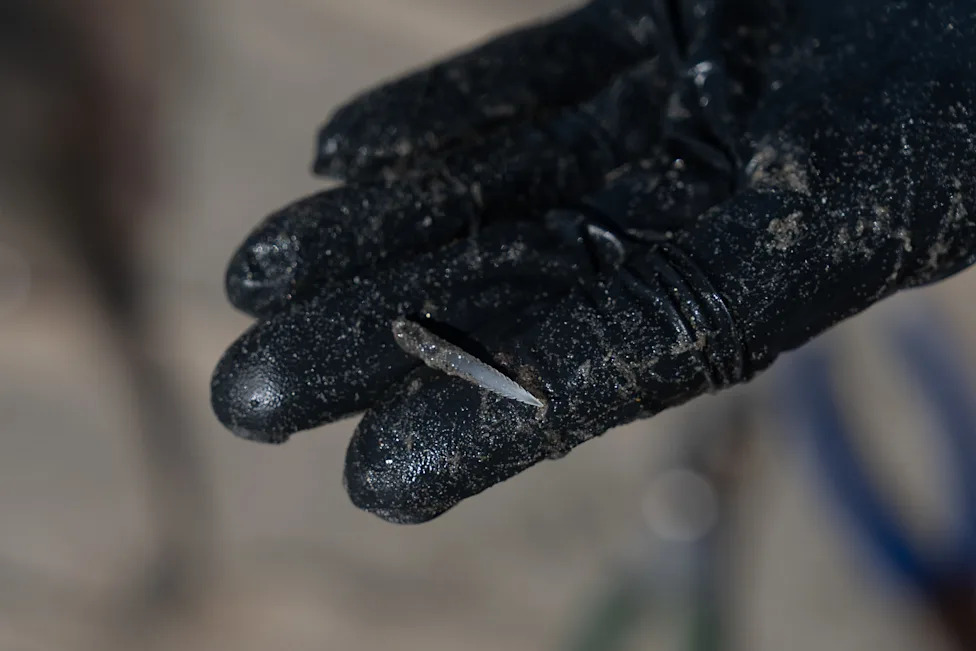
A researcher shows a barb clipped from a stingray in Seal Beach, Calif., Friday, Aug. 7, 2026. (AP Photo/Jae C. Hong)(AP Photo/Jae C. Hong)
What's Happening
Lifeguards report more than 3,100 stingray incidents so far this year at Bolsa Chica and Huntington State Beaches combined, roughly double the total recorded for all of 2025. Huntington Beach’s 3.5-mile (5.6-kilometer) stretch alone has logged more than 2,000 incidents this year. San Diego beaches recorded over 900 stings in the first half of 2026, the highest mid-year total in five years.
Why Rays Are Moving Inshore
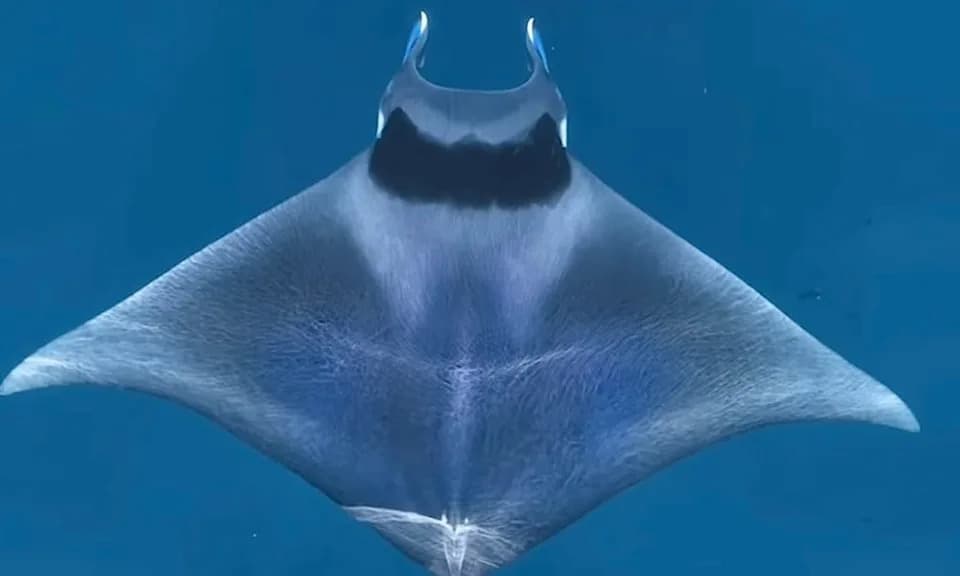
Round stingrays range from Panama to Southern California and tend to move into shallower water when swells are low and temperatures rise. Marine biologists point to several factors behind the increase:
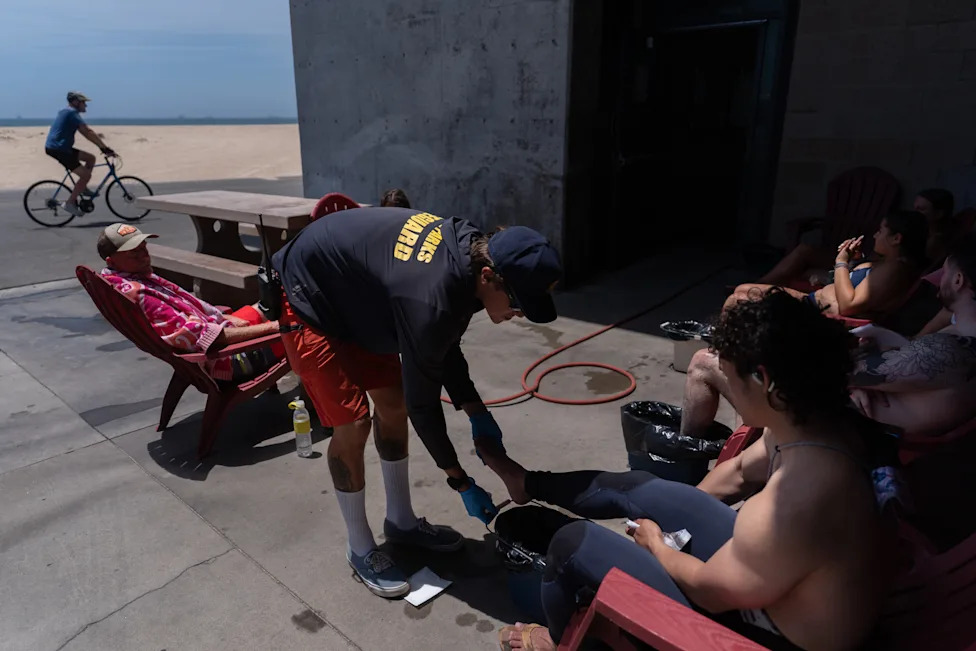
Lifeguard Max Voci, center, treats beachgoers for stingray stings at Bolsa Chica State Beach in Huntington Beach, Calif., Friday, July 24, 2026. (AP Photo/Jae C. Hong)(AP Photo/Jae C. Hong)
Warmer ocean temperatures: A persistent marine heat wave off parts of the West Coast — the third time on record a large coastal swath has stayed unusually warm for an extended period — and the development of an El Niño in the central Pacific are creating more hospitable nearshore conditions for subtropical species.
Fewer predators: Declines in species that prey on rays, such as certain sharks, sea lions and giant sea bass, have likely contributed to growing ray populations, said Chris Lowe, professor of marine biology and director of the Shark Lab at California State University, Long Beach.
Biology and behavior: Rays prefer warmer, lagoon-like water for reproduction. In summer, males’ higher metabolisms push them to forage along the shoreline for invertebrates.
On-the-Ground Observations
Researchers recently swept a stretch of beach with a 75-foot net and captured about 200 stingrays, each roughly the size of a dinner plate. "There can be so many that they actually carpet the bottom, like you can't see sand," Lowe said. In Seal Beach, warm discharges from a nearby power plant create a local hotspot nicknamed "ray bay."
Safety, Treatment and Public Response
When stepped on, rays reflexively flick their tails and can sting with venomous barbs. Lifeguards advise entering the surf by shuffling your feet to encourage rays to slide away rather than be stepped on. The immediate, recommended first aid is a hot-water soak, which helps ease venom pain and neutralize some toxins.
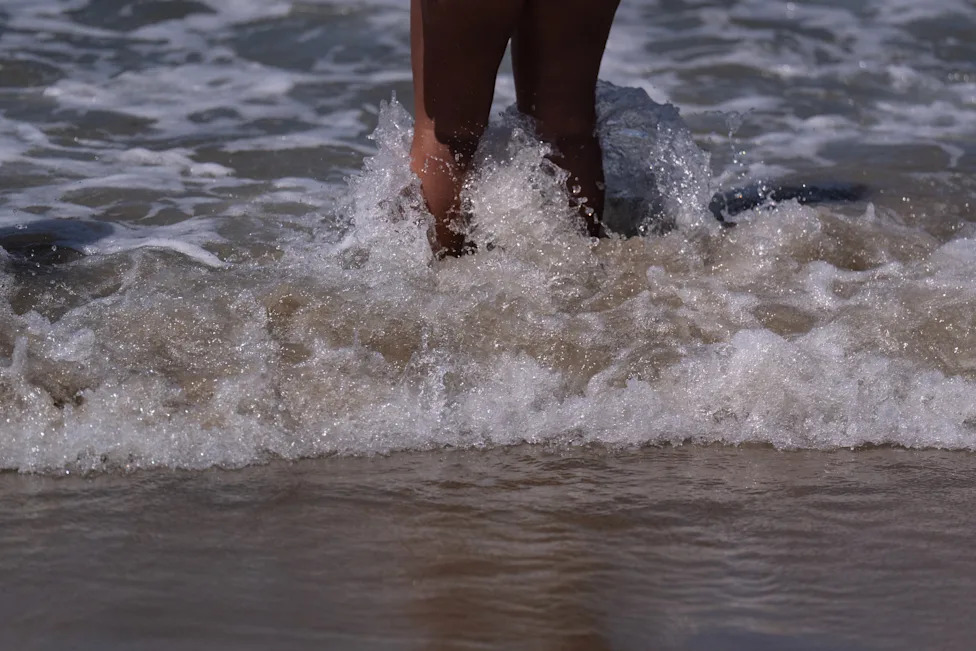
A beachgoer stands in shallow water at Bolsa Chica State Beach in Huntington Beach, Calif., Friday, July 24, 2026. (AP Photo/Jae C. Hong)(AP Photo/Jae C. Hong)
Most stings do not require further medical care, but continued redness, swelling beyond four to five days, severe pain, or signs of infection warrant medical evaluation. A retained barb may appear on an X-ray and might need removal, explained Dr. Christanne Coffey of UC San Diego Health.
Some beaches now use mobile apps to notify swimmers of multiple sting reports. Companies have introduced barb-resistant surf booties, but experts stress that no footwear is foolproof and that shuffling is still the best prevention.
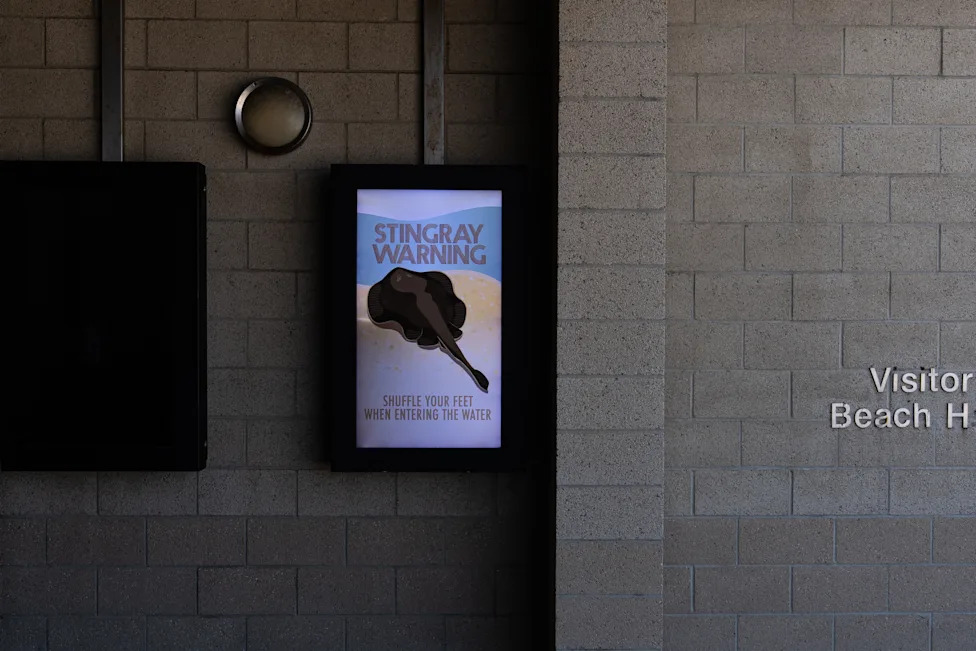
A stingray warning is displayed at Bolsa Chica State Beach in Huntington Beach, Calif., Friday, July 24, 2026. (AP Photo/Jae C. Hong)(AP Photo/Jae C. Hong)
What Officials Are Doing
State and local officials and researchers are developing stingray advisories and public messaging — including television warnings and app alerts — to reduce injuries and protect rays, which play an ecological role by feeding on small clams and aerating seafloor sediment.
As ocean conditions evolve this season, beaches are urging extra caution: shuffle your feet, heed local warnings and seek prompt care if symptoms persist after a sting.
Help us improve.