Round-the-clock gold mining in Badakhshan's Shiwa area has brought thousands of workers and heavy machinery, scarred landscapes and polluted rivers that once supported farming and grazing. Some locals receive wages or lease payments, but many report broken promises, environmental damage and shrinking livelihoods. Authorities have registered hundreds of firms, collected more gold since 2021 and closed roughly 225 damaging sites while pledging to curb corruption and improve oversight.
Badakhshan's Gold Rush: Rivers Polluted, Villages Devastated and Wealth Flowing Up

An Afghan goldsmith holds gold at a workshop in Fayzabad, in Afghanistan's northeastern Badakhshan province (OMER ABRAR)
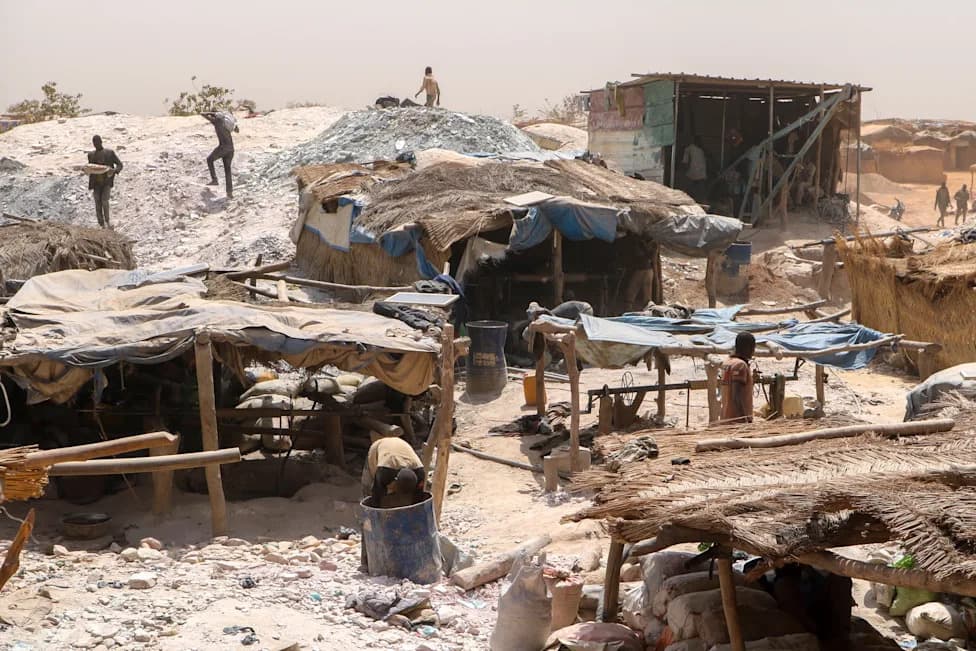
In Badakhshan's Shiwa area, about 50 kilometres northeast of provincial capital Faizabad, round-the-clock excavation has turned mountain valleys into active goldfields. Dozens of excavators and thousands of miners have stripped land once used for grazing and farming, leaving scarred slopes, polluted rivers and communities struggling to cope.
A Rapid, Lucrative Expansion
Authorities say mining activity has accelerated since 2021. Abdul Mateen Rahimzai, head of Badakhshan's mines department, reported that officials have registered "almost 650 to 700 companies" and that thousands of people work manually in the sector. A World Bank report noted hundreds of contracts signed since 2021 with "real growth averaging 25 to 30 percent" annually. Provincial authorities collected about 112 kilograms of gold from Badakhshan last year.
Environmental and Livelihood Costs
Local residents describe a very different picture on the ground. Farmer Muhammad Amin, 74, said his valley's river was once deep and clean but is now contaminated. "Since mining began, the water of the river is not drinkable; you can't even wash your body with that water," he told AFP. He says riverside grass has vanished, windblown dust and debris have ruined fields, and his flock has fallen from about 40 goats to roughly 15.
Other herders and villagers say bridges, shops and a school were buried by floods and mud associated with mining operations. Many residents also say firms broke promises to restore land or fully compensate leaseholders.
Jobs, But Not Always Benefits
The boom has drawn workers from across Afghanistan. Some miners earn steady wages: a truck-loader reported earning about 10,000 Afghanis (~$150) a month, while a digger operator said he makes roughly 25,000 Afghanis monthly. But many locals and herders argue the benefits flow primarily to outside investors and powerful intermediaries rather than to the communities who bear the environmental costs.
Industry Economics and Oversight
Mining companies report varied returns: a local company manager said his team can extract "200 to 300 grams of gold" a week but that start-up costs can make operations loss-making early on. Officials have moved to regulate the sector: mining firms are taxed 20 grams of gold per hectare per month (or the cash equivalent), and Rahimzai said he ordered the closure of about 225 sites that caused damage.
Promises and Uncertainties
Provincial authorities have pledged to tackle corruption and manage resources so the population benefits, but local accounts suggest trust is thin. Many residents report broken lease agreements and unpaid restoration commitments. Herder Fazil, who declined to give a surname for security reasons, said the gold boom "doesn't benefit the local communities here. It benefits only the powerful people."
Key figures: ~650–700 registered companies in the province; ~112 kg of gold collected last year; World Bank growth estimate of 25–30% annually; roughly 225 damaging sites ordered closed.
The long-term consequences for Badakhshan's fragile mountain environment and the livelihoods that depend on it remain uncertain as authorities attempt to balance revenue goals with regulation and community needs.
Help us improve.