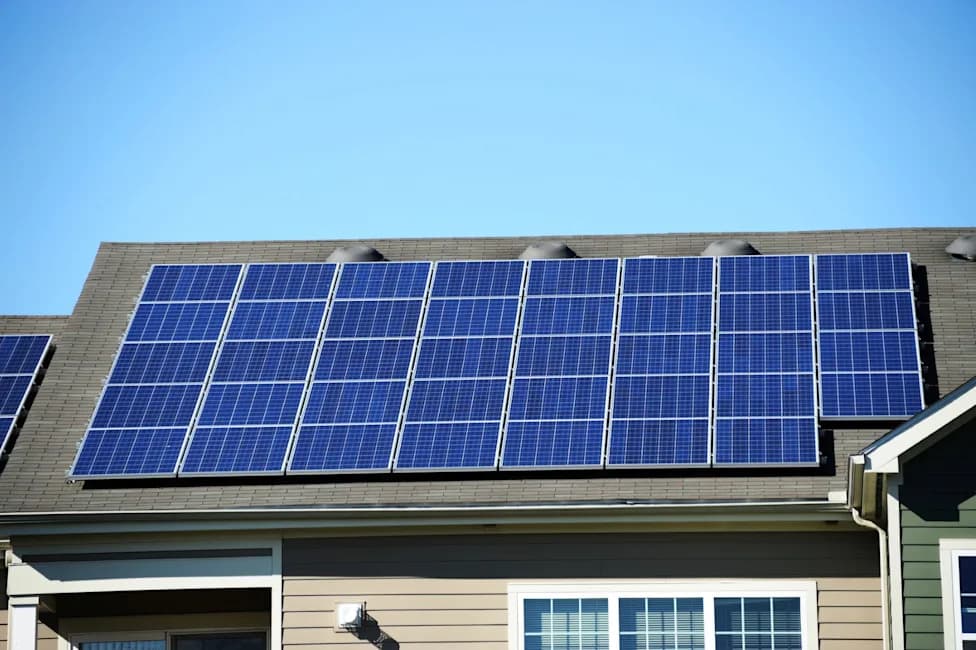
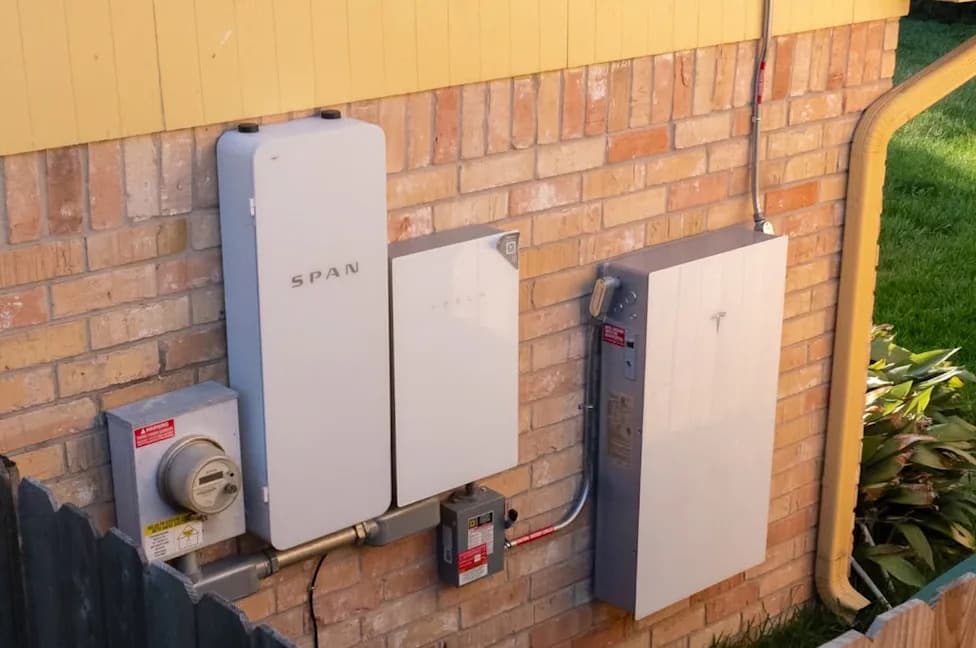
Texas avoided a major blackout in July thanks to a rapid expansion of solar generation and battery storage that provided roughly a 20,000 MW cushion during record summer peaks. ERCOT hit new demand records on July 21–22, yet solar at times supplied over 45% of the state's electricity and set records for both generation and battery discharge. Although about 460 GW of new projects are queued (≈70% solar), state forecasts indicate demand could nearly double by 2032, and a temporary data center moratorium has paused hundreds of gigawatts of potential new load.
How Solar Power Prevented a Major July Blackout in Texas
Shutterstock / Futurism
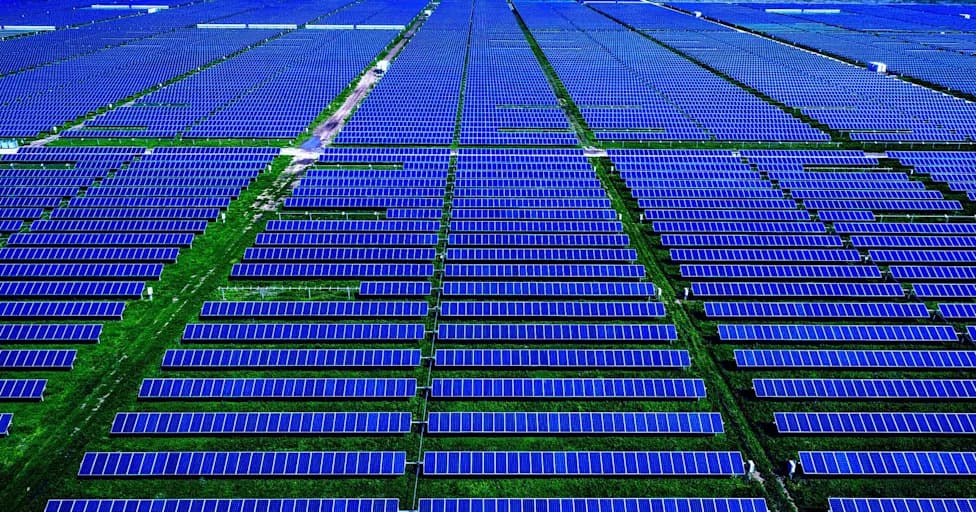
When Texas's privately run electrical grid failed during the February 2021 winter storms, more than 4.5 million people lost power and the crisis contributed to hundreds of deaths as residents were left without heat, water and food. This July, Texas narrowly avoided a comparable catastrophe thanks to a rapid expansion of utility-scale solar generation and battery storage.
Solar And Storage Averted System Collapse
Reporting from the Texas Tribune shows that the Electric Reliability Council of Texas (ERCOT) recorded new peak demand levels on July 21 and 22, but the system remained stable because roughly a 20,000-megawatt cushion from solar panels and batteries was available. At moments during the heatwave, solar supplied more than 45% of the state's electricity and the grid set records for both total solar generation and battery discharge.
“We hit an all time peak, and we had no issue hitting that peak,” Thomas Gleeson, chair of the Public Utility Commission of Texas, told the Tribune.
The peaks coincided with an intense heatwave—the heat index reached 116°F in Dallas on July 22—putting stress on the grid. But the recent buildout of solar plus storage helped ERCOT absorb demand spikes without resorting to rolling outages.
Outlook And Challenges
Capacity and demand are both rising. State estimates suggest that by 2032 overall electricity demand could be nearly double what it was on July 22, increasing long-term pressure on the grid. Utilities say about 460 gigawatts of new generation projects are in the pipeline, roughly 70% of which is expected to be solar.
Meanwhile, a recently enacted moratorium on new data centers—backed by Governor Greg Abbott—has temporarily delayed more than 474 gigawatts of potential new load. However, nearly 1,800 data center projects are still seeking to locate in Texas, creating an ongoing tension between rapid tech-sector demand and the utility system's ability to keep pace.
Bottom line: Rapid additions of solar panels and battery storage gave ERCOT a critical margin during July's extreme heat, showing how distributed renewable resources can bolster grid resilience even as long-term demand growth poses new planning challenges.
Help us improve.