The US–Iran confrontation, briefly paused by a June 17 memorandum, has resumed and focuses on control of the Strait of Hormuz. Iran enforced a near-total closure of the waterway, disrupting oil and LNG shipments, while Oman mediates efforts to open a temporary 60-day transit corridor. The US has enforced a tight naval blockade — redirecting 48 ships and boarding or disabling four — amid hardline rhetoric and mixed diplomatic signals. Analysts warn that sovereignty disputes, domestic politics and nonstate actors make a prolonged standoff likely.
Hormuz Standoff: Could the US–Iran Confrontation Drag On for Months?
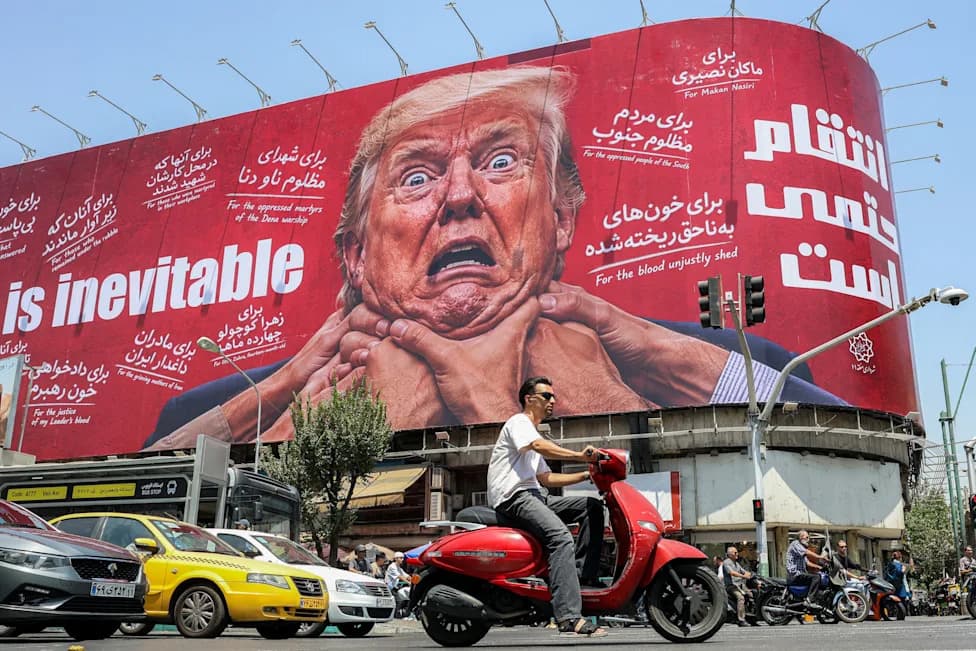
Motorists drive past a large billboard pledging revenge against US President Donald Trump in Tehran, Iran [File: AFP]
The confrontation involving the United States, Israel and Iran has entered a critical phase, leaving global markets and regional stability uncertain as diplomacy and military pressure collide.
Background And Current Status
A memorandum of understanding signed on June 17 briefly paused hostilities that began on February 28, but the truce has since collapsed and fighting has resumed. At the center of the crisis is the strategic Strait of Hormuz: Iran imposed a near-total shutdown of the waterway when clashes reignited, disrupting oil and liquefied natural gas shipments and driving energy prices higher.
Diplomacy And The Oman Track
Oman has been mediating indirect talks aimed at establishing a temporary 60-day transit corridor using both Iranian and Omani territorial waters. Tehran says it is not engaged in direct negotiations with Washington, but Iranian officials confirm two months of discussions with Oman. Iran's trade minister also visited Pakistan to explore alternative container routes that could bypass the US naval blockade.
Military Posture And Mixed Signals
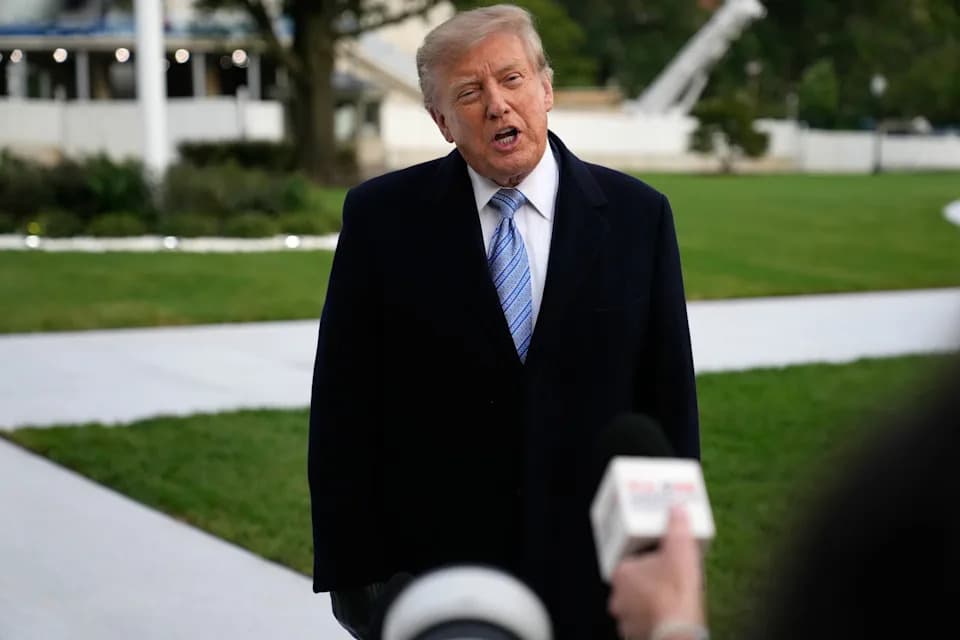
On the maritime front, US Central Command (CENTCOM) reports it has redirected 48 commercial vessels, boarded two and disabled two others as part of a strict blockade intended to limit Iran's control over shipping. Former President Donald Trump characterized US forces as an unyielding 'wall of steel' and demanded Tehran's surrender or a comprehensive deal before easing pressure, warning that negotiations could be Iran's 'last chance before decapitation.' At the same time, the US Treasury removed sanctions on three airlines linked to the Islamic Revolutionary Guard Corps (IRGC), sending mixed signals about Washington's intent.
"The Omani-brokered pause lets Iran test Washington's resolve without formally abandoning its position in the strait," said Negar Mortazavi, senior fellow at the Center for International Policy.
Analysts' Views And Strategic Calculations
Analysts say Iran appears to be weighing US vulnerabilities — including missile inventory limits and domestic political constraints ahead of the US midterm elections — against the risks of escalation. Some experts argue Tehran has repositioned the Strait of Hormuz from a simple bargaining item to the primary leverage for negotiating sanctions relief and the lifting of the naval blockade.
Regional voices warn that any arrangement that effectively hands Iran regulatory control over commercial navigation would be unacceptable to the US and Gulf states and would complicate implementation. Nonstate actors, notably Houthi forces operating in key Red Sea locations, add another layer of uncertainty: these groups have independent motivations and can prolong instability irrespective of state-level agreements.
Outlook
Deep disagreements over sovereignty, the role of third-party and nonstate actors, and mixed diplomatic signals make a prolonged standoff plausible. While the Omani channel may temporarily reduce immediate tensions, experts caution that without clear, enforceable arrangements guaranteeing freedom of navigation and a durable political settlement, the deadlock could persist for months.
Help us improve.