At a Las Vegas event, President Trump called Michigan primary winner Abdul El‑Sayed "a man of hate" and labeled him a "communist," accusing him of hating Israel and Jewish people. El‑Sayed denied the charges, told TIME he is not a socialist or communist, and reiterated his commitment to Jewish safety. He also told CNN he opposes unconditional military aid to any country and urged the president to prioritize the affordability crisis and rising gas prices.
Trump Calls Abdul El‑Sayed 'A Man of Hate' and a 'Communist'; El‑Sayed Rejects Claims, Urges Focus on Affordability
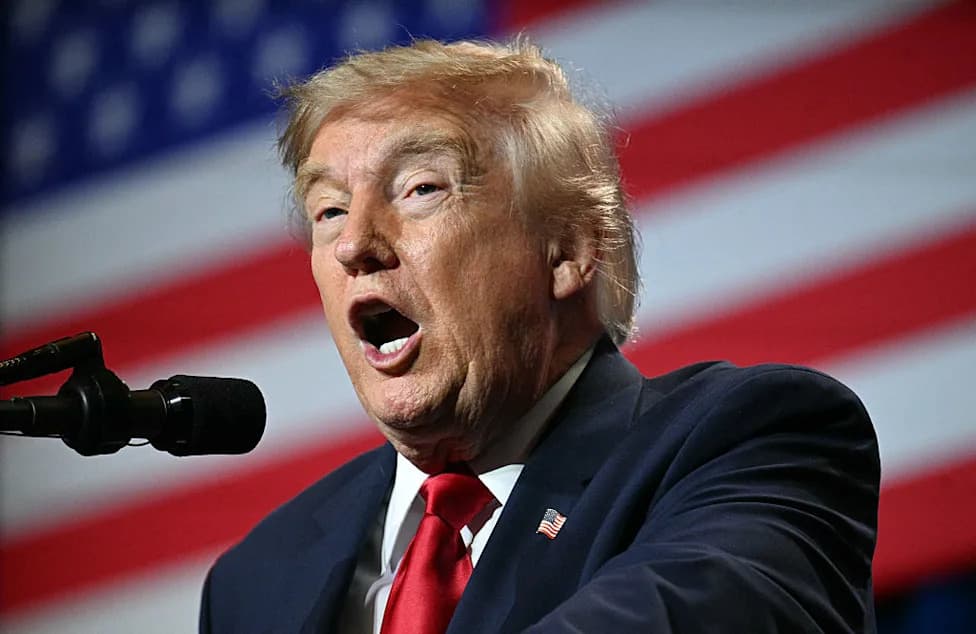
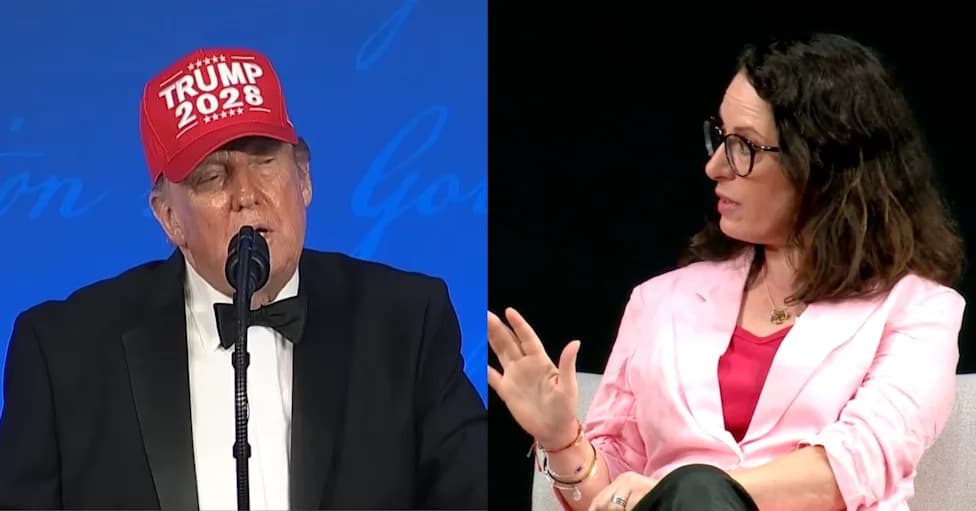
U.S. President Donald Trump speaks during an event promoting his Administration's recent tax-relief initiative at Red Rock Casino Resort and Spa in Las Vegas, Nev., on Aug. 5, 2026. —Jim Watson—AFP/Getty Images
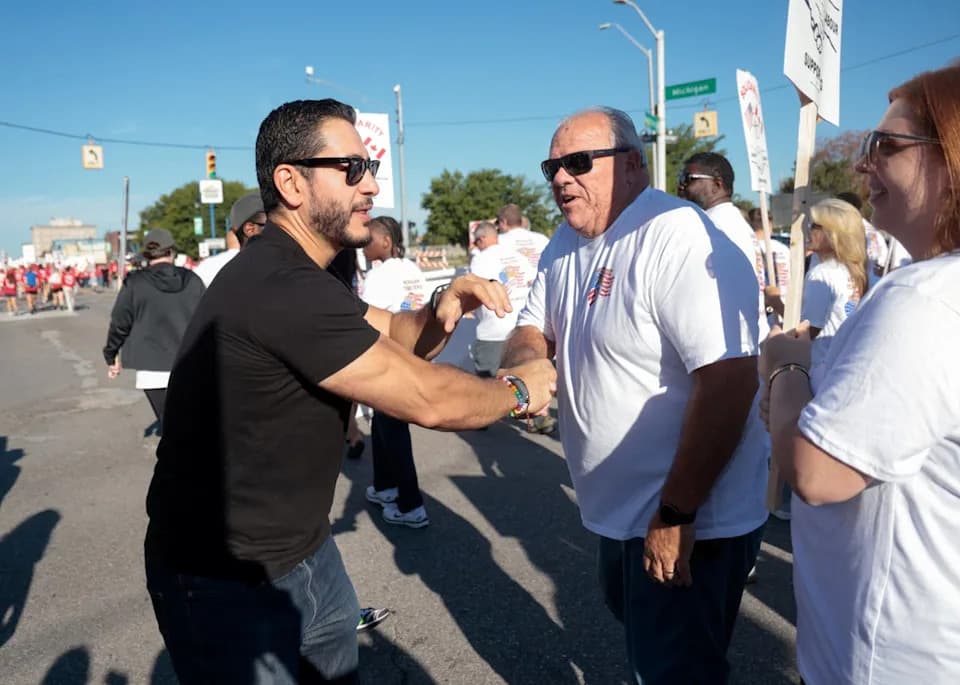
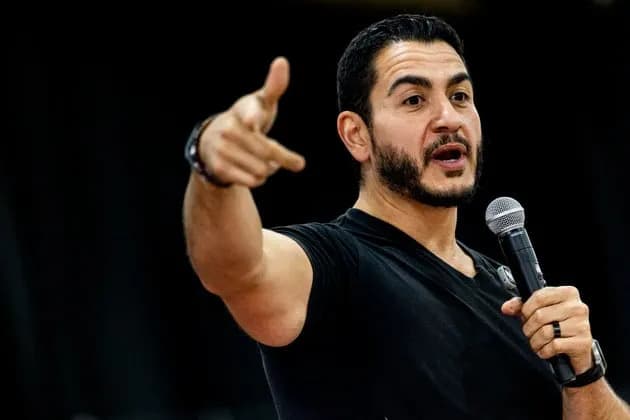
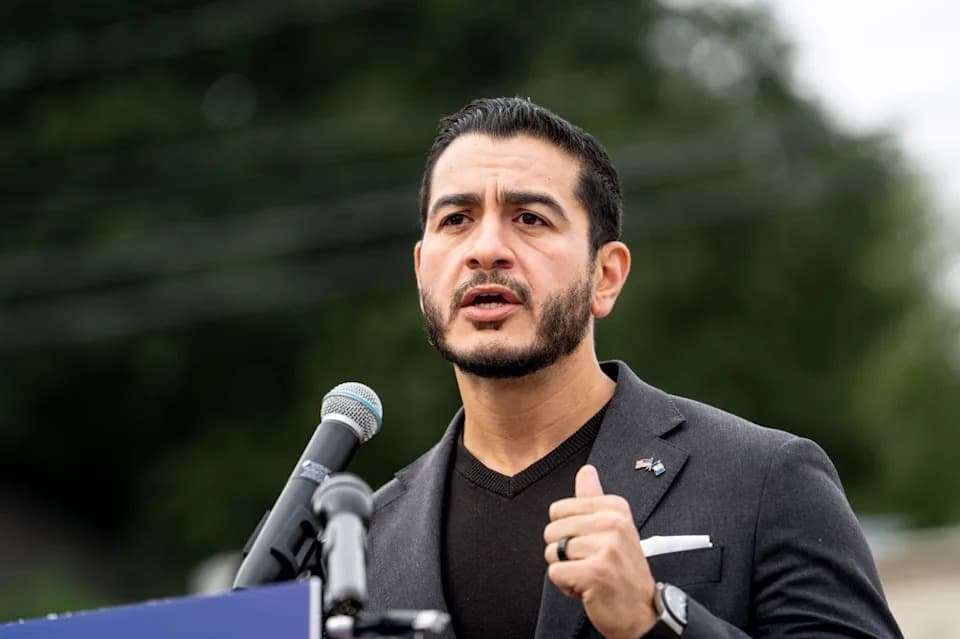
At a campaign-style event in Las Vegas, President Donald Trump sharply criticized Abdul El‑Sayed, the winner of Michigan's Democratic primary for the U.S. Senate, calling the 41-year-old progressive "a man of hate" and labeling him a "communist." Trump also accused El‑Sayed of "hating" Israel and Jewish people.
Addressing the crowd, Trump said:
"This guy hates Jews. Somebody said, 'Oh that's a little strong.' No, he hates Jews and he hates Israel. He's a man of hate, and now he's going around saying, 'No, I love everybody.' He doesn't love everybody."
El‑Sayed has disputed those characterizations. In an interview with TIME, he said he does not consider himself a socialist or a communist, adding, "I actually think that at the small and local scale, capitalism is a great way to allocate resources, as long as everybody has access to it." He also rejected accusations of antisemitism, telling reporters, "My commitment to Jewish safety is the same commitment that I have to the safety of my own daughters."
Earlier, Trump posted on social media that El‑Sayed's primary victory was "great news" for Republicans and, without providing evidence, suggested there were voting irregularities in Michigan and that the general election could be "rigged."
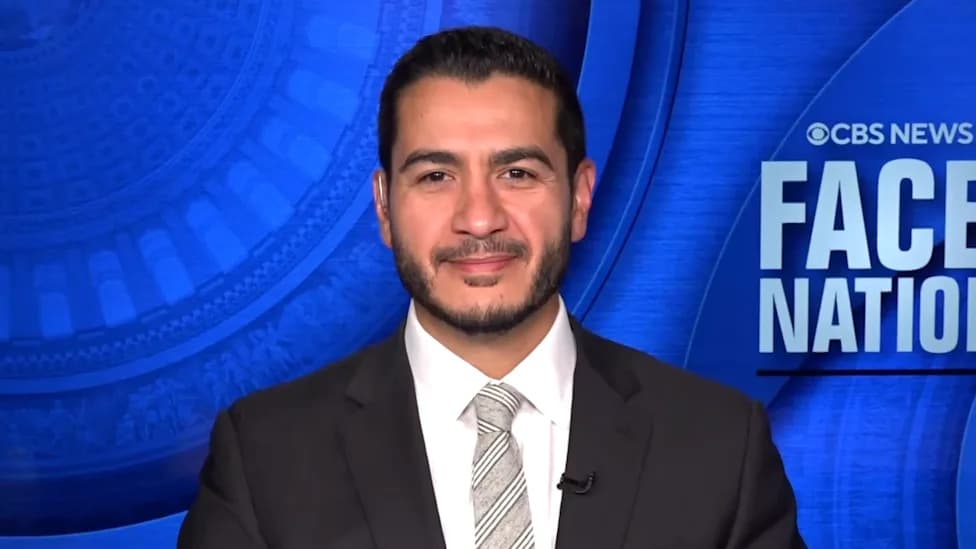
Speaking to CNN, El‑Sayed clarified his policy stance: he is "opposed to unconditional military aid for any country," including Israel, and argued that taxpayer dollars should instead support domestic priorities such as healthcare, schools and roads.
Responding to Trump's attacks, El‑Sayed quipped that he was "glad" the president once called him a "lovely gentleman," and used the exchange to press Trump to focus on concrete issues facing voters.
"We're living through an affordability crisis that is generational," El‑Sayed said, noting high gas prices and urging the president to address the economic pressures affecting everyday Americans.
Context: The exchange comes as El‑Sayed seeks to become the first Muslim U.S. senator from Michigan and amid increasingly heated rhetoric early in the general election cycle.
Help us improve.