Social media was flooded with conspiracy theories and doctored images after the 6.8 magnitude earthquake that struck Kumamoto on 28 July, killing 38 and injuring more than 120. Posts alleging the tremor was "man-made" surged around the disaster, prompting scientists and fact-checkers to call the claim implausible. Politically motivated misinformation targeted foreign residents and repurposed footage to inflame tensions. Authorities and fact-checkers advise verifying dramatic claims against official sources.
“Man-Made Earthquake” Conspiracy Spreads After Kumamoto Quake; Experts, Fact-Checkers Push Back
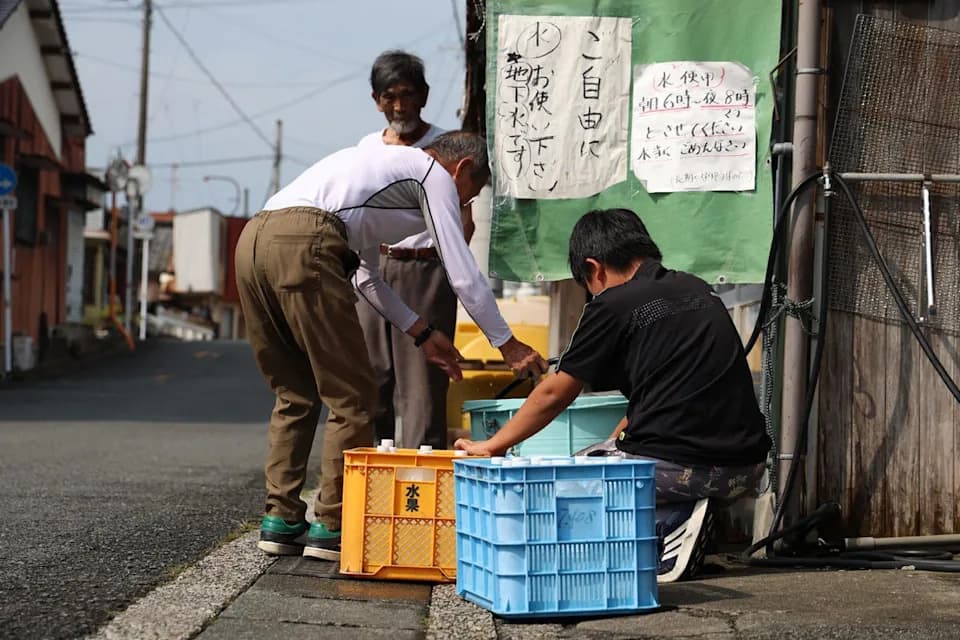
People collect water from a tap in the aftermath of the earthquake (AFP/Getty)
False and misleading claims about the magnitude-6.8 earthquake that struck Kumamoto, on Japan’s southern island of Kyushu on 28 July have spread widely on social media. The prefectural government said the disaster collapsed part of a shopping centre in Kashima while thousands were inside, prompted the evacuation of nearly 300,000 residents, and left 38 people dead and more than 120 injured.
Surge Of Conspiracy Posts
In the days around the quake, posts alleging the tremor was "man-made" proliferated. Analysis by U.S. monitoring firm Meltwater found that posts in Japanese referring to an "artificial earthquake" numbered in the hundreds in the days before the event, rose to roughly 10,000 on the day the quake struck and surged to about 38,000 the following day. Although many subsequent posts have been rebuttals, tens of thousands of social posts mentioning the claim continue to appear daily.
How Experts Describe The Claim
The Seismological Society of Japan — the country's leading body of earthquake scientists — publicly described the idea of an artificially created deep earthquake as implausible. The society explained that recreating an earthquake at depth would require drilling a shaft on the order of 10 km or more and delivering enormous energy at that depth, a task that would demand huge time, cost and technological capability. While nuclear tests can register on seismographs, detonating a device at the bottom of such a borehole has not been developed; the deepest drilled hole, the Kola Superdeep Borehole, reached about 12.3 km after roughly 20 years.
Misinformation Examples And Social Impact
False and manipulated content circulating online has included:
- Claims that seismograph readings indicated an "explosion" rather than a natural tremor — sometimes shared by accounts known for spreading earthquake hoaxes.
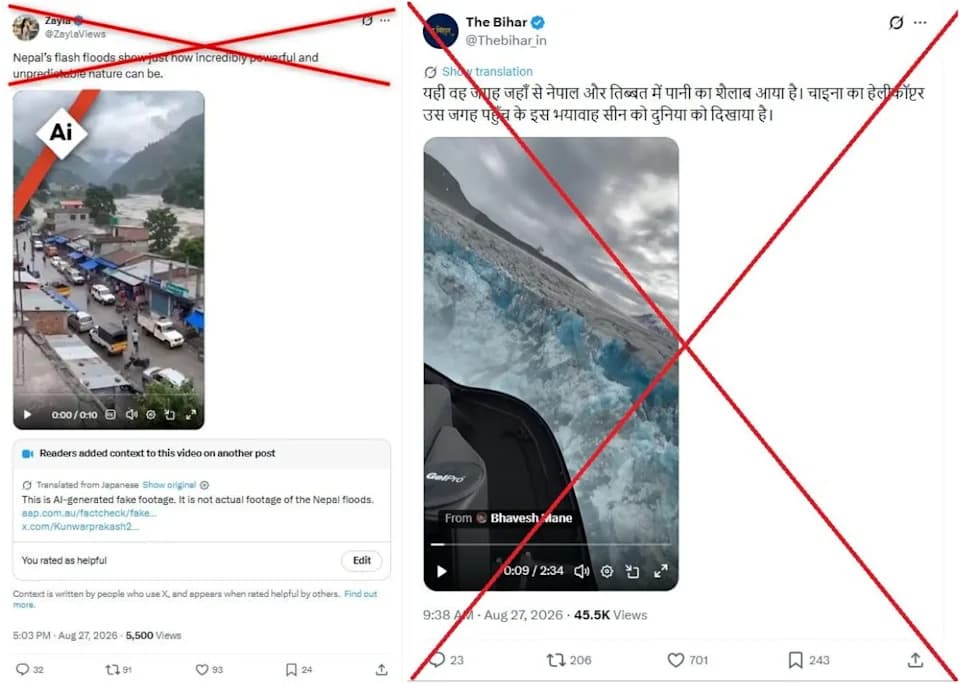
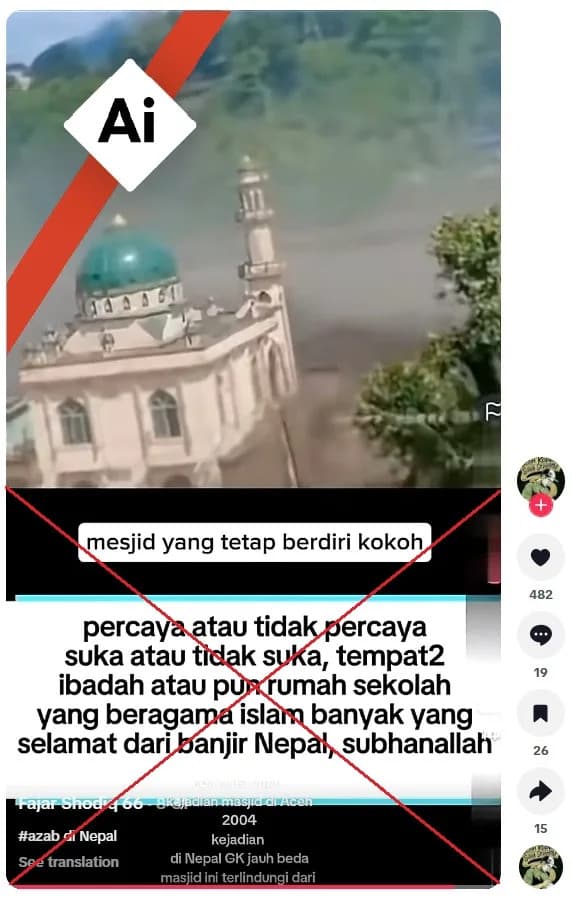
- AI-generated images purporting to show the Aeon mall in flames and doctored video or stills alleging staged coverage of the disaster.
- Politically motivated narratives targeting foreign residents, such as framing Vietnamese rescuers as "propaganda" or circulating footage falsely alleging foreigners stole supplies.
- Misidentified images of alleged Taiwanese rescue badges that were actually commercially sold pre-order patches, later claimed to be proof of foreign intervention.
“When you encounter conspicuous information, judge its authenticity by referring to official information from public and media organisations.”
— Daisuke Furuta, Editor-in-Chief, Japan Fact-check Centre
Real-World Consequences
The spread of hoaxes can have tangible effects: emergency footage and images can be repurposed to stoke xenophobia, undermine relief efforts or prompt false arrests. The article recalls that after deadly quakes in April 2016 — which killed 277 people — a false report about a lion escaping a zoo went viral and led to an arrest (charges later dropped).
How To Verify And Stay Safe
Experts and fact-checkers urge people to verify dramatic or suspicious claims by consulting official sources — local government statements, emergency services, established media outlets and scientific societies — before sharing. Be particularly cautious with sensational posts, single-source videos, uncredited images and AI-generated content.
Sources: Prefectural government statements; Meltwater analysis; Seismological Society of Japan; The Japan Times; Japan Fact-check Centre; Kyodo News.
Help us improve.