Associated Press reporting finds more than 50 relatives of active-duty U.S. service members detained under an immigration enforcement push during President Trump's second term, with at least six deportations confirmed. The detentions stem from a policy clarifying that military service does not exempt noncitizens from immigration consequences, creating confusion because branches still promote parole-in-place programs. Service members say family detentions have disrupted duties and morale. DHS says some detainees had removal orders or prior convictions but emphasizes that military service alone does not grant immigration status.
More Than 50 Military Family Members Detained Under New Trump-Era ICE Policy, AP Finds
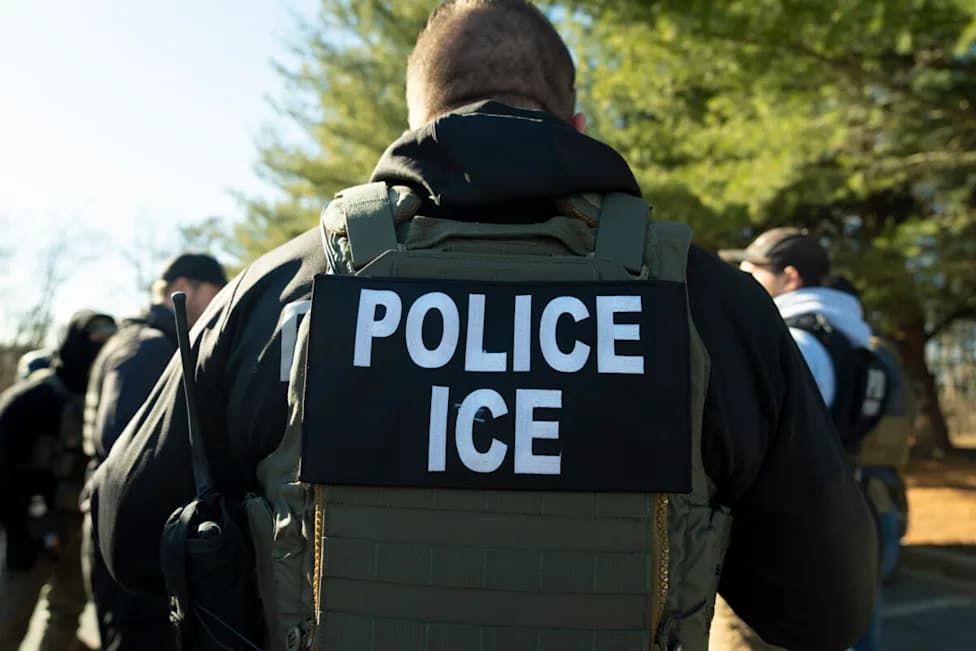
AP Photo/Alex Brandon
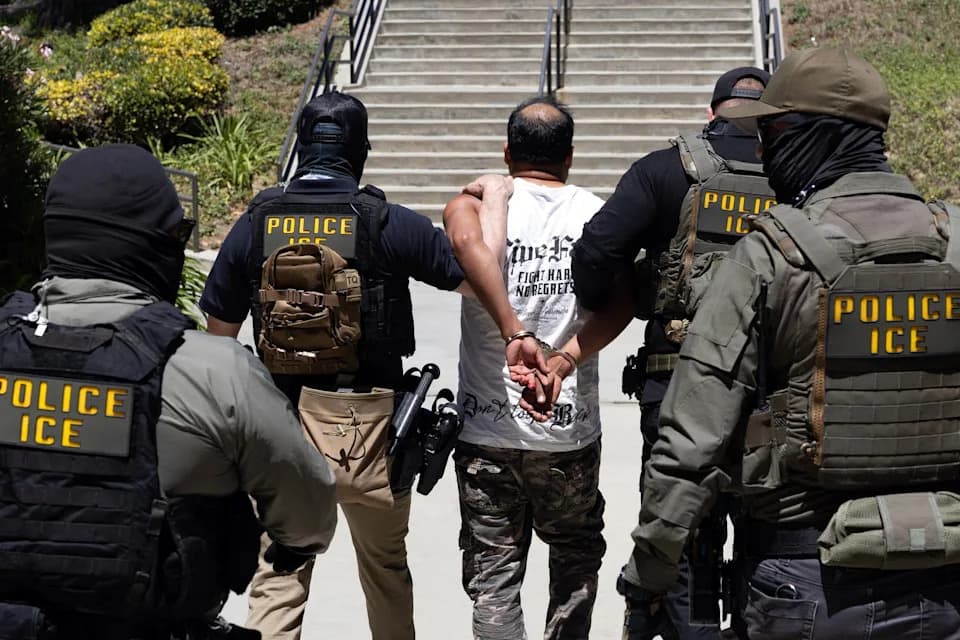
More than 50 relatives of active-duty U.S. service members have been detained under an immigration enforcement campaign launched during President Donald Trump's second term, according to an Associated Press investigation.
The AP compiled a detailed list of detainees by analyzing thousands of federal court records from Habeas Dockets (an Immigration Justice Transparency Initiative project), reviewing media reports and confirming cases with family members and attorneys. At least six people identified in the review have been deported, and the report says the true number is likely higher because the Department of Homeland Security does not specifically track detentions of service members' relatives.
Policy Change and Confusion
The round-up follows a policy clarification in the Trump administration stating that "military service alone does not exempt aliens from the consequences of violating U.S. immigration laws." That change has caused confusion for service members because some branches — notably the Army — continue to promote programs such as parole-in-place, which can enable immediate relatives to apply for lawful status without leaving the United States.
Several relatives were detained or deported while they were actively pursuing status adjustments; officials say the application process now takes months longer than it did before the policy shift.
Personal Consequences For Service Members
Service members who spoke to the AP described significant personal and professional impacts. Army Sgt. Hedar Leonel Turcios Juarez, stationed at Fort Bliss, said his wife was detained outside a Walmart in front of their 6-year-old child. "How can I even focus on my military career because I have to worry about how my wife is doing?" he asked.
"It's the most frustrating, helpless feeling," said Air Force Tech. Sgt. Wendy Gbeve, whose father was detained during a routine immigration interview and later deported to Mexico before she received additional updates.
Army Staff Sgt. Alexis Jaramillo said he had to take administrative leave to care for his child after his wife, Maisa Lopes Elias, was detained. U.S. Army Specialist Romero Ralios called his father's deportation "karma," referencing his own prior work with Border Patrol and expressing regret.
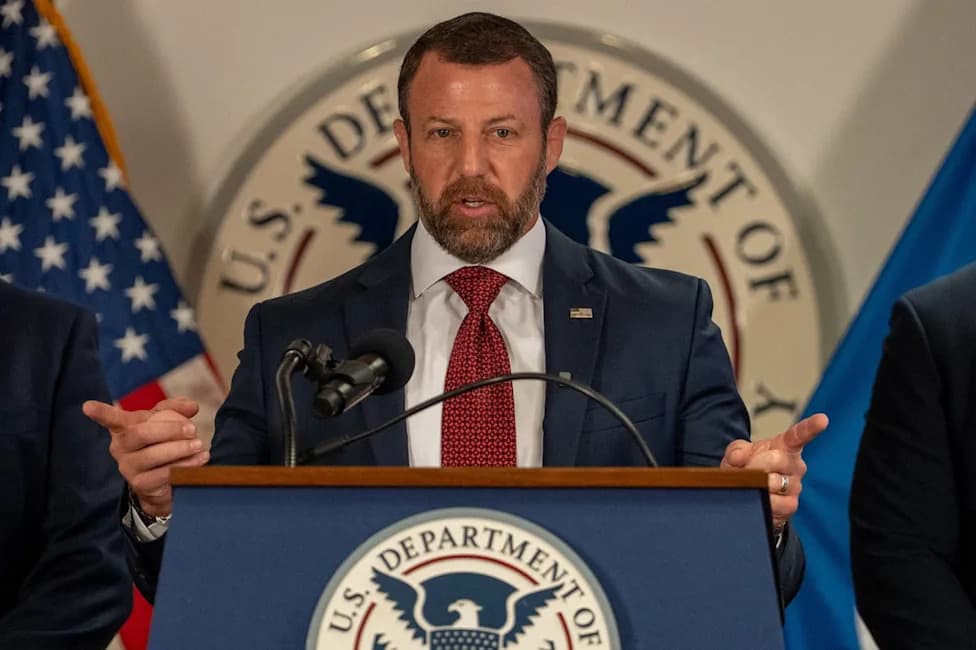
Capt. Mohamed Elmaola, Ralios's commanding officer, warned that such detentions undermine leaders' credibility and morale. In some cases, the report says, DHS Secretary Markwayne Mullin has been asked to intervene on behalf of affected service members and families.
Government Response
DHS declined to comment on individual cases to the AP but said that, in a reviewed group, eight people had removal orders and two had convictions related to drunken driving or drugs. The agency reiterated that "DHS and ICE value the contributions of all those who have served in the U.S. military" while stressing that military service does not automatically confer lawful immigration status or immunity from immigration consequences.
This story was first reported by the Associated Press and republished by Mediaite.
Help us improve.