Scientists caution that the closure of the Strait of Hormuz has left more than 1,500 ships anchored for months, creating ideal conditions for biofouling — the buildup of algae, barnacles, mussels and other organisms on hulls. An international team of 24 researchers led by UMCES (with WHOI contributors) warns this could enable a global marine "super-spreader" event if vessels later disperse these organisms to new ports. The study urges improved biofouling management, enhanced monitoring at high-risk ports, better ship-movement forecasting and stronger international coordination to reduce the threat.
Strait of Hormuz Lay-Up Could Spark Global Marine 'Super-Spreader' Event, Scientists Warn
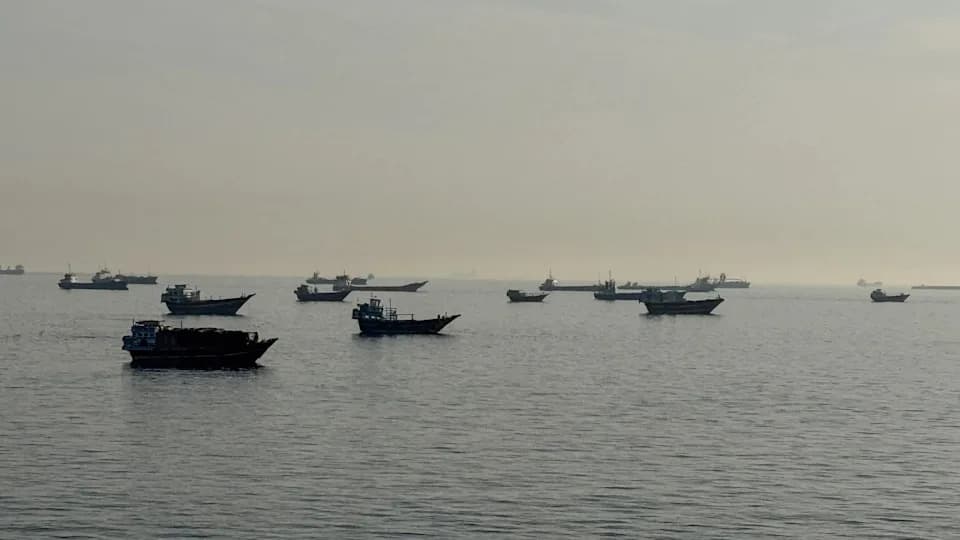
Vessels are seen anchored in the Strait of Hormuz, off the port city of Khasab on Oman's northern Musandam Peninsula on May 17, 2026.
Scientists are warning that the prolonged closure of the Strait of Hormuz has created conditions that could trigger a global marine "super-spreader" event by enabling the widespread transport of invasive organisms on idled ships.
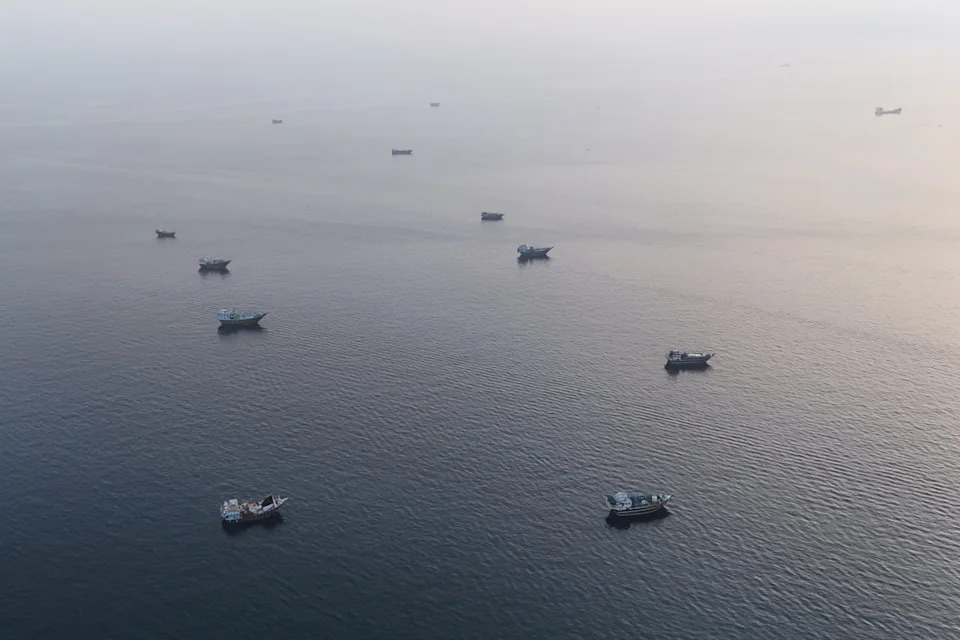
This aerial photograph shows boats anchored off Oman's northern Musandam Peninsula near the Strait of Hormuz on June 27, 2026.
Study Findings
An international team of 24 marine scientists, led by the University of Maryland Center for Environmental Science (UMCES) with contributors from the Woods Hole Oceanographic Institution (WHOI), examined the unprecedented lay-up of over 1,500 commercial vessels anchored in the Persian Gulf since February 2026. The researchers found that months at anchor allow hulls, propellers and submerged structures to accumulate dense communities of marine life — a process called biofouling — including algae, barnacles, mussels and other invertebrates.
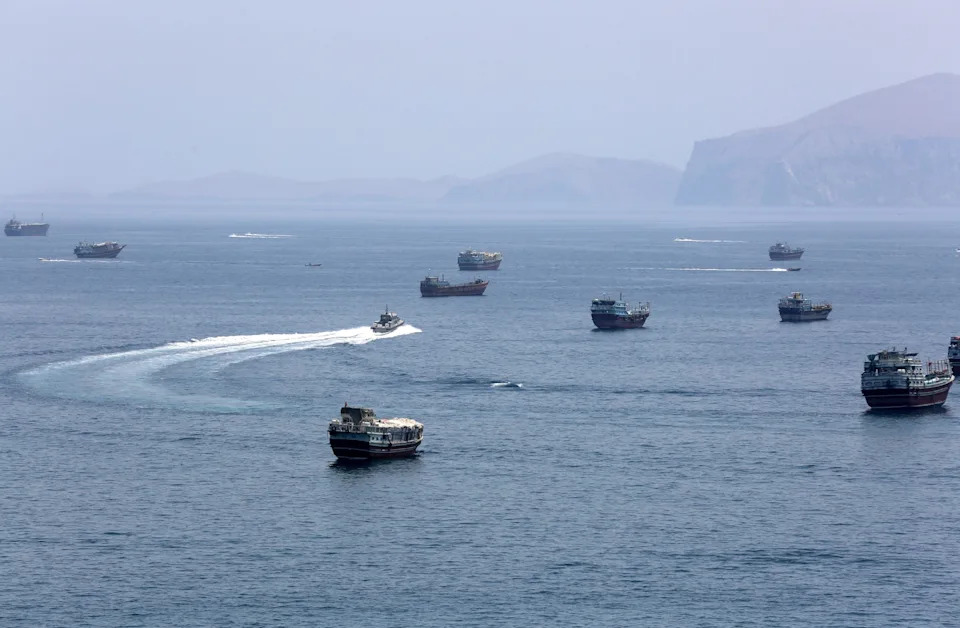
This photo taken on June 20, 2026 shows the Strait of Hormuz near Khasab, a small town in northern Oman.
Why This Matters
When these fouled vessels return to regular shipping routes, they can carry organisms across oceans and introduce non-native species into distant ports. Such introductions can alter local ecosystems, damage fisheries and infrastructure, and be extremely difficult, if not impossible, to eradicate once established.
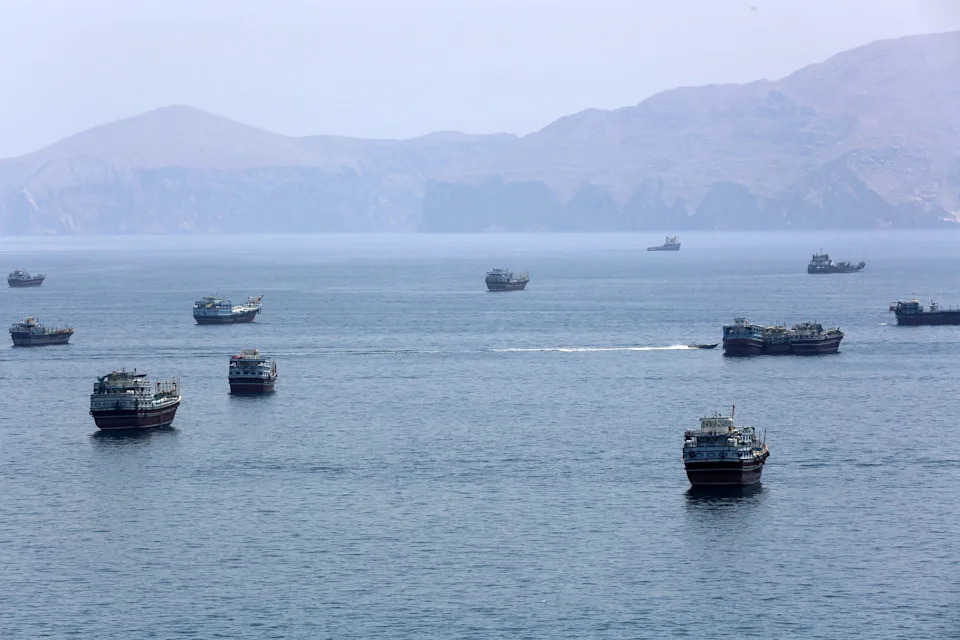
This photo shows the Strait of Hormuz. near Khasab, a small town in northern Oman.
"Marine invasive species have profound ecological and economic impacts on coastlines across the globe," said Carolyn Tepolt, a WHOI biologist who contributed to the study. "They are often extremely difficult to remove once established."
Recommendations
The authors call for urgent actions to reduce the risk of a global bioinvasion event as vessels eventually depart the anchored fleets. Recommended measures include:
- Improved Biofouling Management: Routine cleaning, in-water cleaning protocols where safe, and stricter maintenance while vessels are idled.
- Enhanced Monitoring: Increased surveillance and early detection at high-risk ports and coastal ecosystems.
- Better Ship-Movement Forecasting: Coordinated tracking and risk assessment to prioritize inspections and responses.
- International Coordination: Stronger cross-border response mechanisms, shared data and rapid mitigation plans.
Visual Evidence
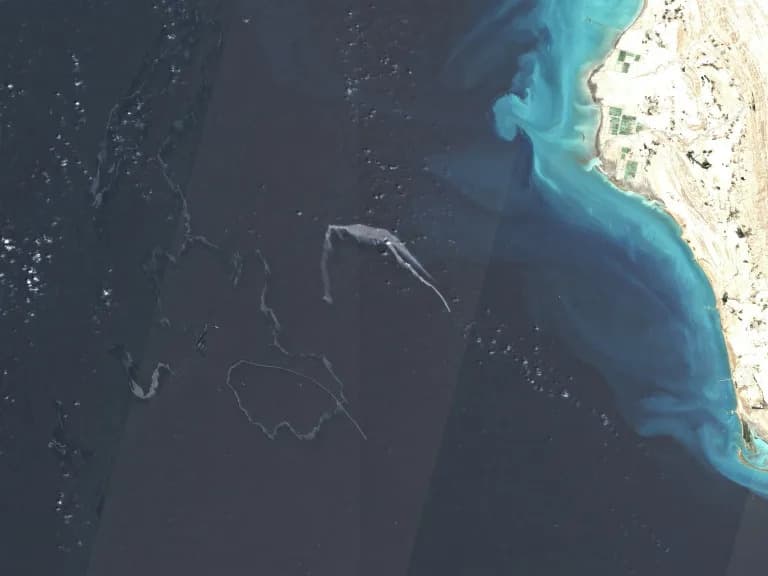
Aerial images from May to June 2026 show dense congregations of anchored vessels off Khasab on Oman's Musandam Peninsula, illustrating the scale and duration of the lay-up and the potential for widespread biofouling.
The researchers emphasize that taking these prevention and monitoring steps now can substantially reduce the likelihood that warm-water and other species will establish in new regions as shipping resumes.
Help us improve.