A group of teenage girls in Tyneside say they feel "worthless" and frightened after enduring sustained misogyny at school and online, including a disturbing "rape list" compiled by boys. The students made a film with This Life Collective to document the abuse and shared it with the Department for Education and Andy Burnham, Mayor of Greater Manchester. Charities and researchers warn that normalising violent language risks blurring the line between harmful words and real-life abuse, and call for better education and positive narratives for boys. The government has pledged £16m for school pilots and new RSHE teaching from September.
‘Rape List’ Reveals Extreme Misogyny: Tyneside Girls Say They Feel 'Worthless' and Afraid
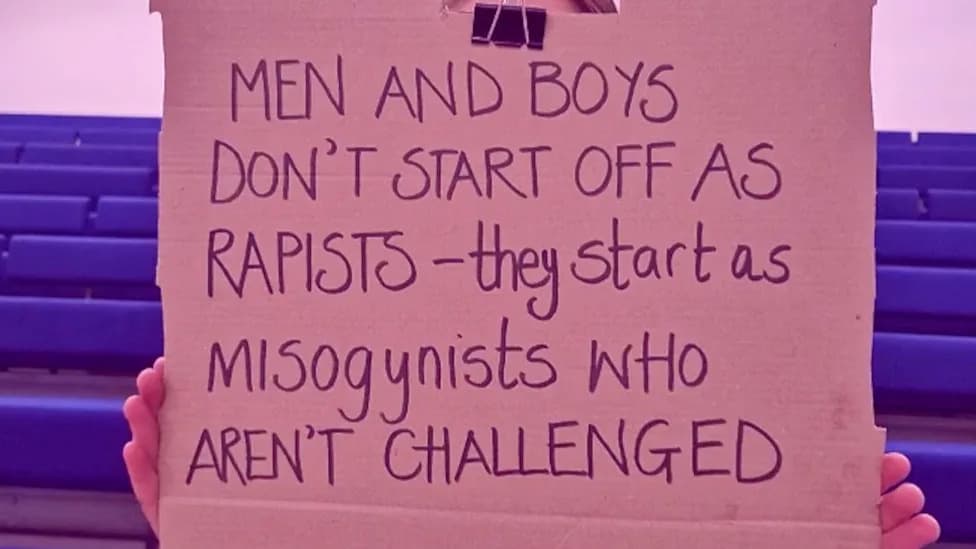
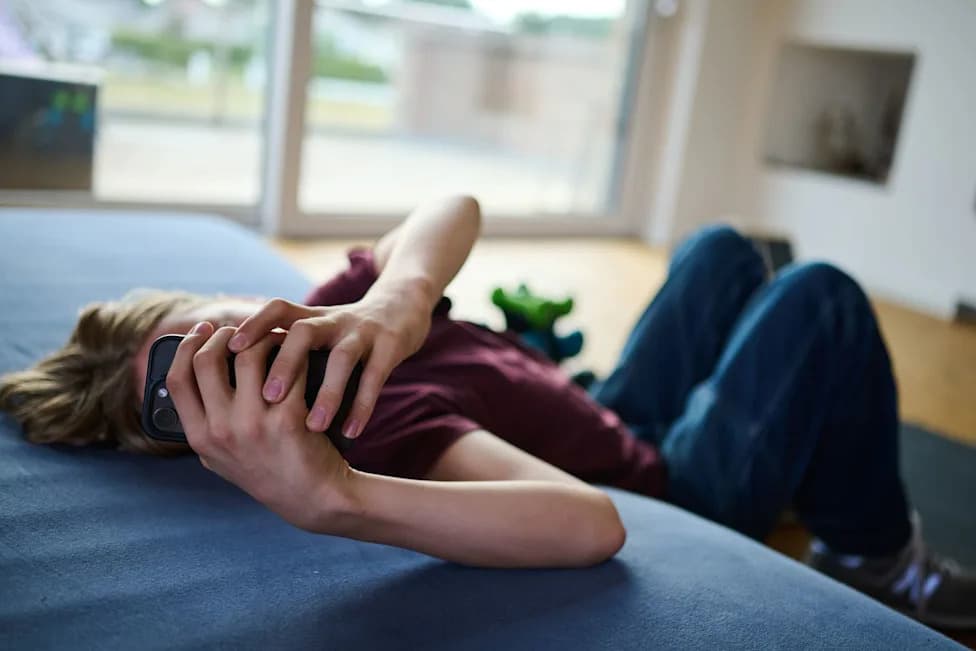
Threats of violence, abuse and sexism experienced by schoolgirls are included in the campaign video [This Life Collective]
A group of teenage girls from Tyneside say they feel "worthless" and "frightened" after enduring persistent, extreme misogyny both at school and online. The pupils produced a short film documenting the abusive language and threats they face; many of the comments are too explicit to publish. Among the most alarming incidents was a "rape list" compiled by boys at one school, which left one girl deeply shaken.
"Boys ordering girls, who they want to rape the most and then the least," one student said. "It is frightening because you don't know people's real intentions."
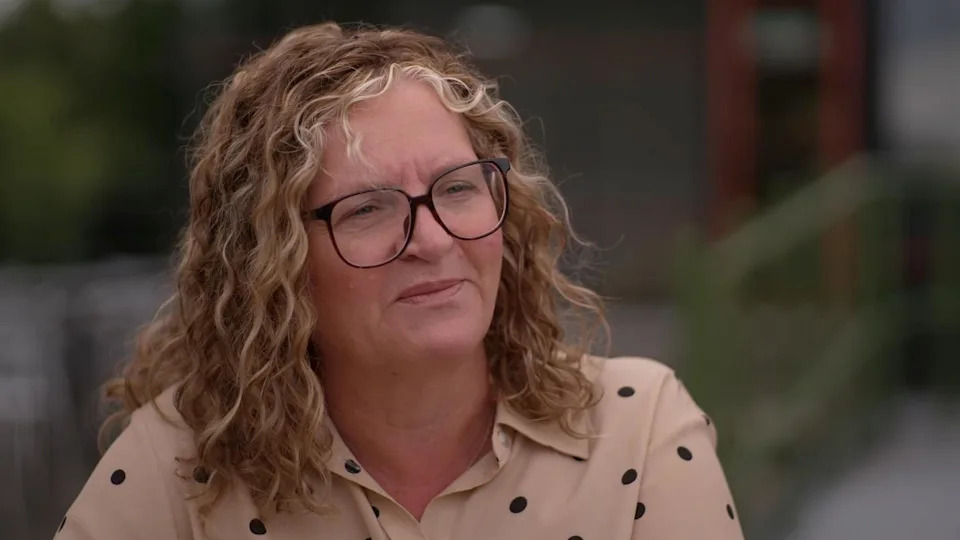
Catherine Marchant has called for better education around misogyny [BBC]
What Experts and Charities Say
Catherine Marchant, CEO of Impact Family Services in South Tyneside, warned that normalising violent, misogynistic language on social media and in schools risks leaving young people unable to recognise abuse in real-life relationships. "We're seeing this across the region in all schools," she said, noting that many young women only later realise they were abused in their early relationships because abusive behaviours have been normalised.
"Young people see harmful messages online and hear them in music. If nobody calls this out, they may come to believe this is how relationships should be," Marchant added. Her charity reports repeated patterns across generations and argues that breaking the cycle must begin with education.
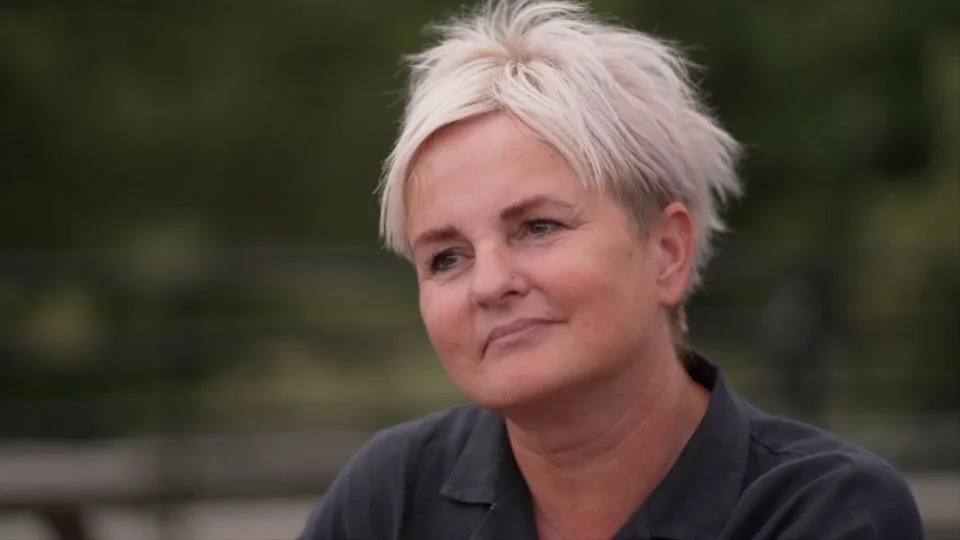
Sue Davison says the rise of toxic masculinity among influencers has a serious impact on "disenfranchised boys" [BBC]
Witness Accounts and Behavioural Impact
The girls involved in the film say they alter their behaviour to feel safer: avoiding large groups of young men, walking home in groups, and taking longer routes at night. "It shouldn't have to be like that," one student said. "I should just be able to walk home the quick way. But I'd prefer to take the long way round so if anything was to happen, there were people there. It's just an instinct—fight or flight."
Sue Davison, director of This Life Collective and a specialist teacher with 30 years' experience, linked the rise in violent language to toxic masculinity promoted by some social media influencers. She said most boys do not act on violent language, but the concern is the minority who might. "There are huge numbers of boys who do not take part in this behaviour and are made uncomfortable by it," she said.
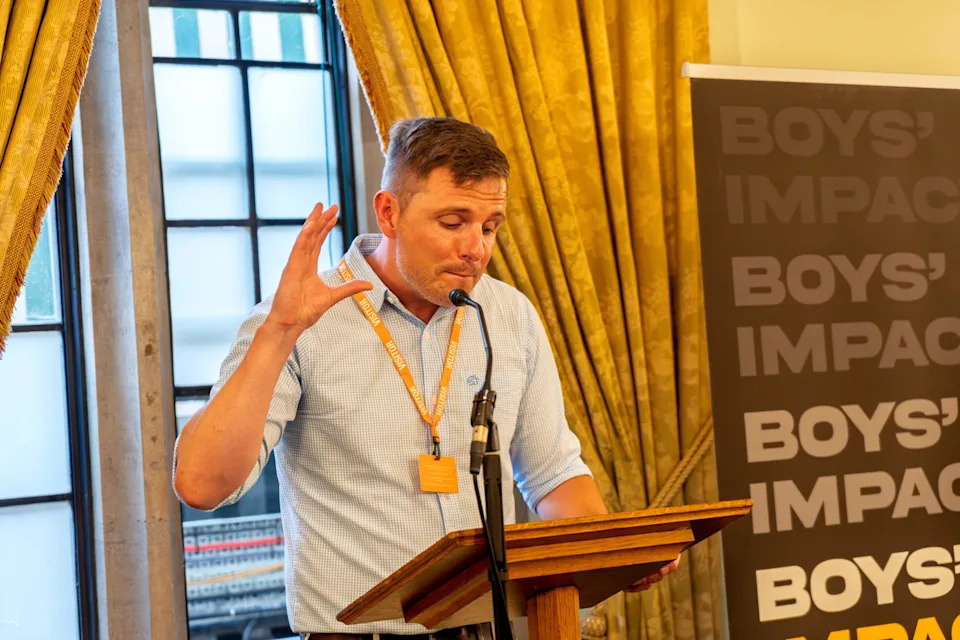
Dr Alex Bower praised the girls for their bravery [Supplied]
Calls For Education And Positive Narratives For Boys
Dr Alex Blower, a researcher on masculinity and founder of Boys' Impact, praised the girls' bravery and called for more work with boys and young men to create hopeful, values-based expectations for adulthood, fatherhood and relationships. He argued that while girls have received decades of empowerment messaging, boys have lacked an equivalent positive narrative—leaving a void sometimes filled by harmful online actors.
Blower also warned that some school interventions can mistakenly imply there is "something inherently wrong with being a boy," rather than opening constructive conversations about the kind of man young people want to be and how to support them.
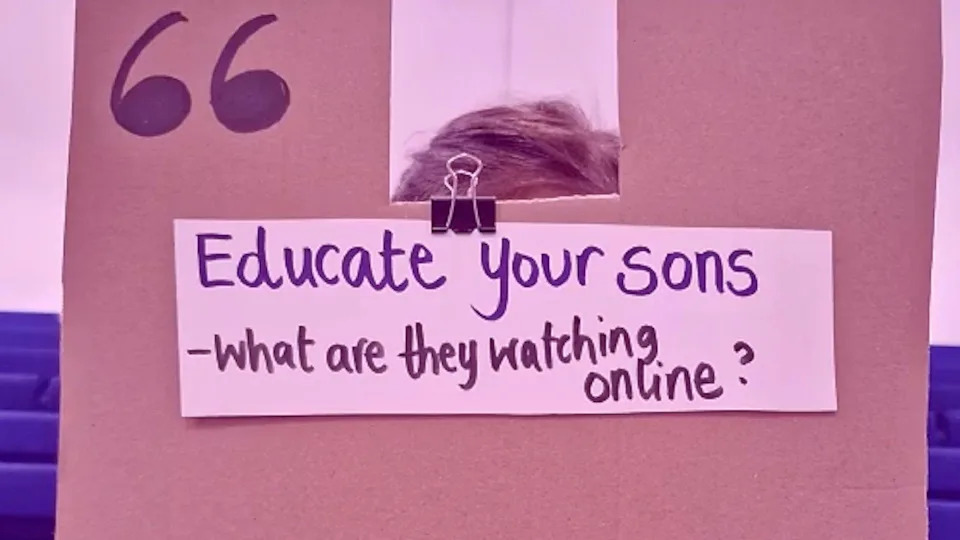
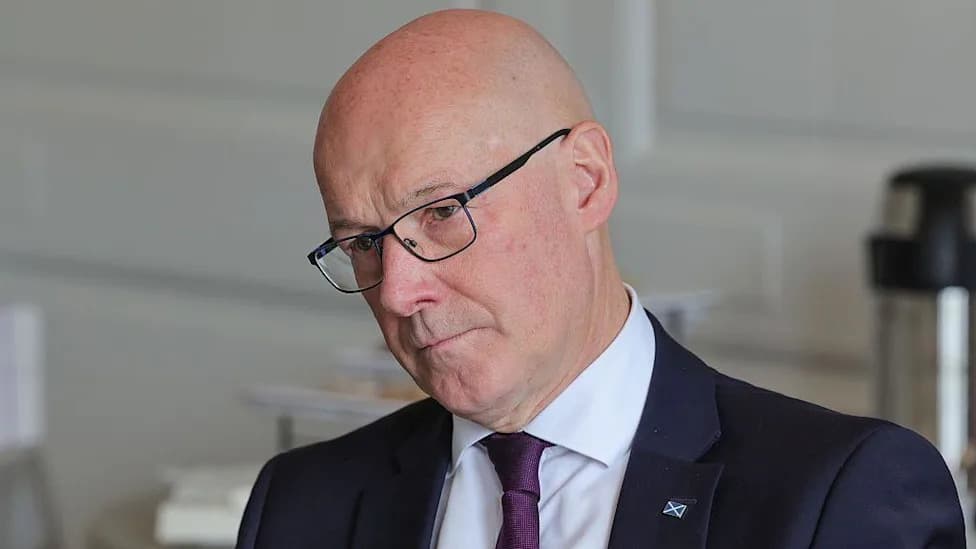
This Life Collective has shared the film with the Department for Education and Prime Minister Andy Burnham [This Life Collective]
Policy Response
The film was produced with support from This Life Collective and shared with the Department for Education and with Andy Burnham, the Mayor of Greater Manchester. A government spokesperson said ministers were "taking bold and decisive action to halve violence against women and girls," noting a £16m commitment to pilot targeted interventions in schools and that from September every school will deliver the new Relationships, Sex and Health Education (RSHE) curriculum, which includes teaching about healthy relationships and harmful behaviours.
Support
If you have been affected by issues raised in this report, help and support are available through local services and helplines. Organisations working on these issues include Impact Family Services, This Life Collective and charities focused on supporting survivors and educating young people.
Help us improve.