The Bodéwadmi (Potawatomi) Confederacy met in Forest County, Wisconsin, during the Potawatomi Gathering to strengthen intertribal ties and coordinate on shared priorities. Delegates unanimously approved an addendum to admit three new member nations: the Citizen Potawatomi Nation, Moose Deer Point First Nation, and the Chippewas of Nawash. Leaders discussed concerns including the planned closure of the National Archives at Chicago, Michigan’s permit for the Line 5 tunnel, and proposed Section 106 revisions. The meeting emphasized language revitalization and elder-led cultural preservation and concluded with a signing and pipe ceremony.
Bodéwadmi (Potawatomi) Confederacy Welcomes Three New Member Nations
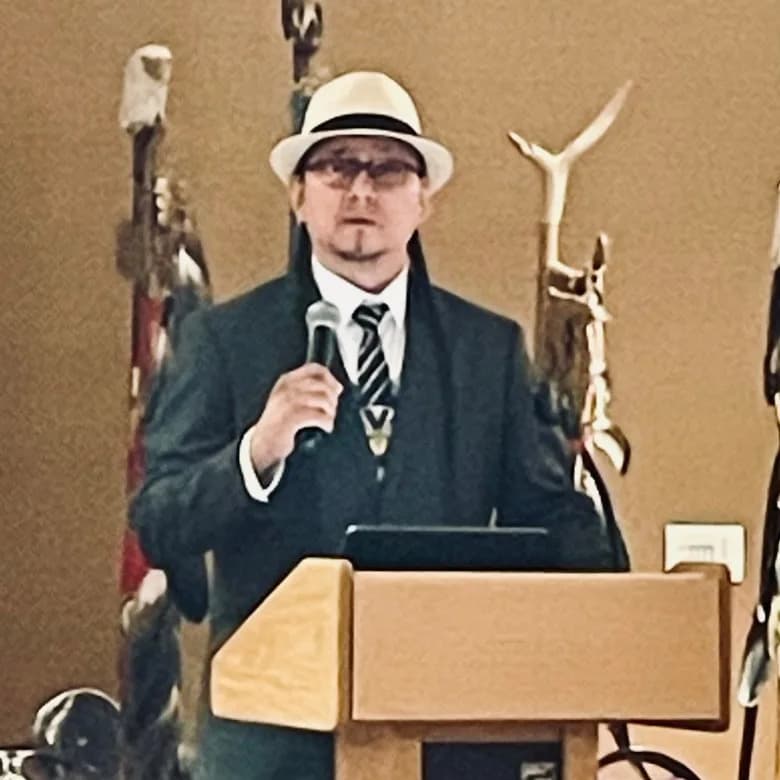
Forest County Potawatomi Community Tribal Chairman Brooks Boyd (Photo/Levi Rickert)
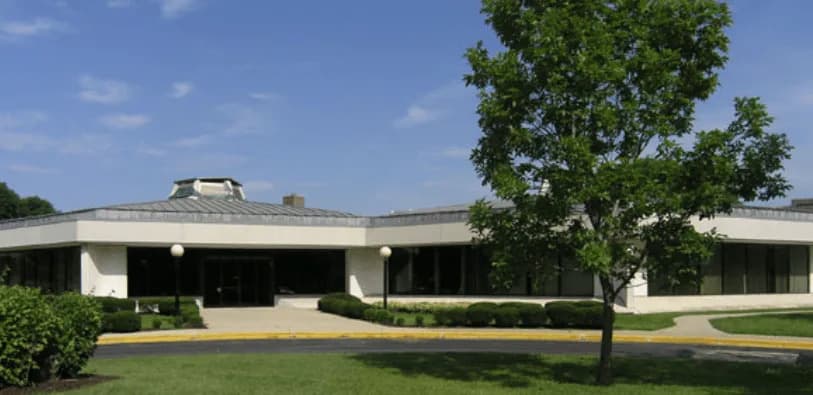
FOREST COUNTY POTAWATOMI CONFEDERACY, Wis. — Dozens of Potawatomi leaders from across the United States and Canada gathered Thursday at the Potawatomi Casino Hotel Carter for the Bodéwadmi (Potawatomi) Confederacy meeting. The session was part of the week-long Potawatomi Gathering and focused on strengthening intertribal relationships and coordinating responses to shared concerns.
Hosted by the Forest County Potawatomi Community, this year’s confederacy meeting brought together tribal chairs and council members to address common challenges, advance mutual priorities, and reaffirm the enduring bonds among Potawatomi nations.
“We share one ancestry, one history, one language, one responsibility, and one future,” said Forest County Potawatomi Community Chairman Brooks Boyd. “Together, we can speak with greater influence… preserve our ceremonies, revitalize our language, support our youth and ensure that no Potawatomi nation faces the future alone.”
The Bodéwadmi Confederation of Tribal Nations was formally established in 2025 during the Potawatomi Gathering at Gun Lake Casino Resort in Wayland, Michigan. Boyd emphasized that unity increases political influence, enables resource-sharing, and supports cultural preservation across member nations.
Issues Addressed
Delegates used the day-long session to discuss several pressing policy and cultural issues, including:
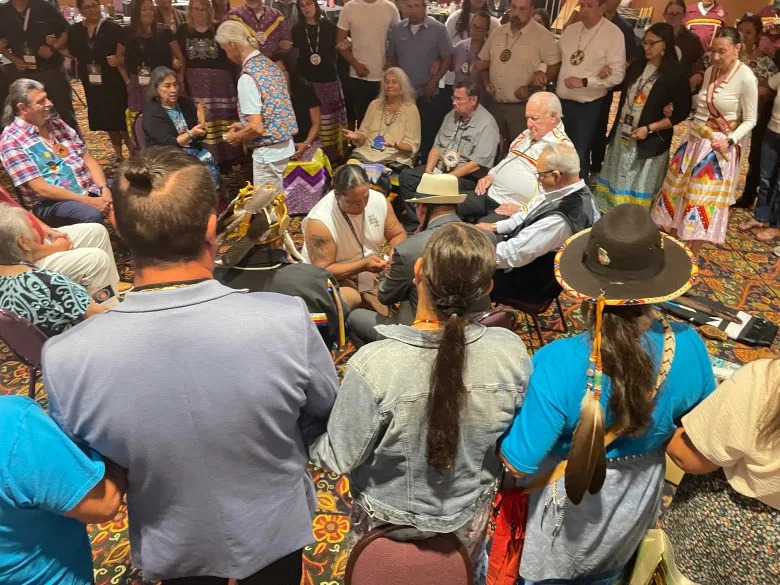
Pipe ceremony with tribal leaders in center of the circle. (Photo/Levi Rickert)
- The June 23 announcement from the National Archives and Records Administration (NARA) regarding plans to close the National Archives at Chicago and concerns about access to tribal records.
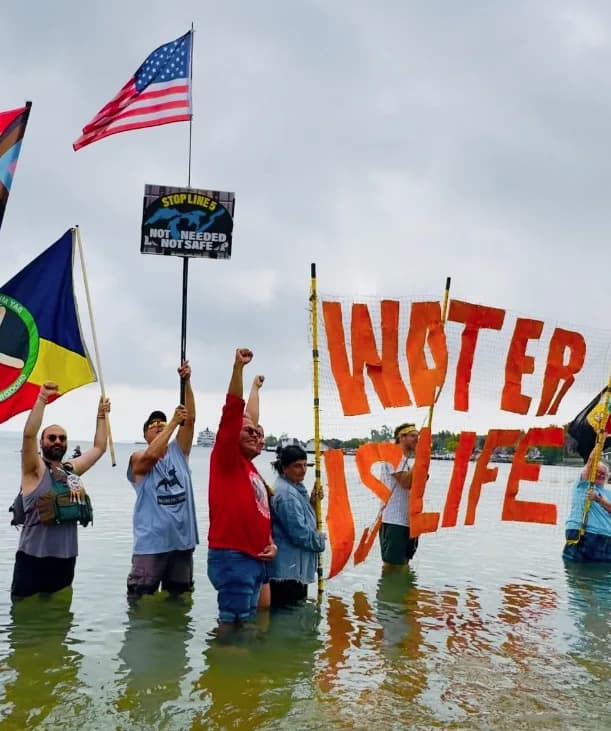
- Michigan’s recent permit granted to Enbridge Energy to construct a tunnel for the Line 5 pipeline, raising environmental and sovereign-consultation concerns.
- Proposed revisions to the Advisory Council on Historic Preservation’s Section 106 regulations, which tribal leaders warned could weaken Tribal consultation, reduce protections for sacred places, and exceed the agency’s statutory authority.
Leaders also stressed the urgency of language revitalization and the central role of elders in transmitting cultural knowledge and ceremonies to younger generations.
New Members and Ceremonies
A key business item was the unanimous approval of an addendum to allow new member nations to join the Confederacy. The measure officially welcomed three additional Potawatomi nations:
- Citizen Potawatomi Nation (Shawnee, Oklahoma)
- Moose Deer Point First Nation (Moose Deer Point, Ontario, Canada)
- Chippewas of Nawash Unceded First Nation (Cape Croker, Ontario, Canada)
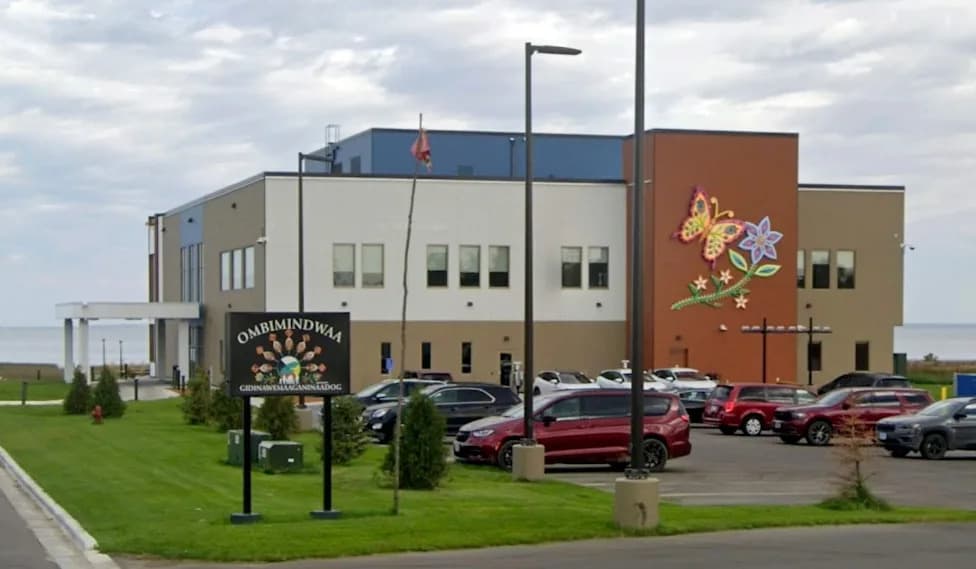
Organizers noted the Chippewas of Nawash have long acknowledged that many of their citizens have Potawatomi ancestry, reflecting deep historical and familial connections between communities.
The admission was finalized in a signing ceremony: Tribal Chairman John “Rocky” Barrett signed for the Citizen Potawatomi Nation; Chief Tracy Hendrick signed for Moose Deer Point First Nation; and Ogimaa Kwe Veronica Smith signed for the Chippewas of Nawash. The official signings were followed by a traditional pipe ceremony with tribal leaders standing together in the center of the circle.
The confederacy meeting underscored a commitment to collective advocacy, cultural preservation, and ensuring that Potawatomi nations can face future challenges together.
Help us improve.