Social media has inspired more young adults to explore mountains, but edited or selective posts can understate route difficulty and hazards. Reports show a sharp rise in incidents among 17–25-year-olds — nearly quadrupling in parts of the Scottish Highlands and almost 400 rescues for 18–24-year-olds in England and Wales last year. Common causes include slips, poor equipment and sudden bad weather; pilot schemes like QR-coded route maps aim to improve safety. Practical steps — conservative planning, proper kit and basic navigation skills — reduce the risk of needing rescue.
Why Young People Keep Getting Lost on Mountains — Social Media, Overconfidence and How to Stay Safe
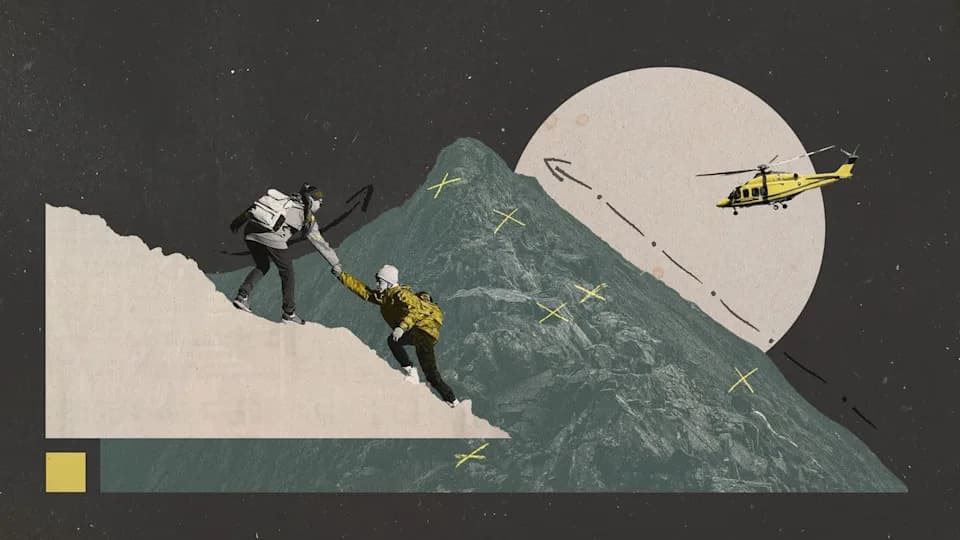
Hiking posts can make the toughest climbs look like a walk in the park. | Credit: Illustration by Julia Wytrazek / Getty Images
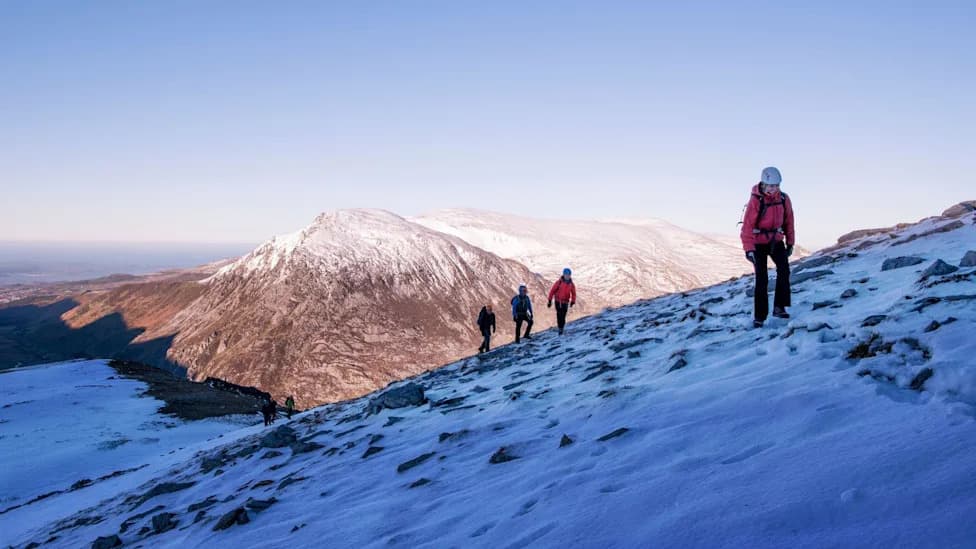
Social media posts that show dramatic summits and sweeping views have helped attract more young adults to hillwalking and mountaineering. But rescue teams across the UK and Europe report a worrying rise in calls for help from people who underestimated route difficulty, weather or the equipment needed.
What’s Driving the Trend?
Outdoor influencers and highlight reels can make challenging routes look deceptively easy. Critics say this content has become an "inadvertent source of inspiration," encouraging followers to attempt treks beyond their experience level. As Kate Davis from the Ramblers walking charity puts it, such posts can make "the toughest climbs look like a walk in the park." While many creators responsibly note hazards and preparation, others edit out the hard parts or only film short, scenic sections — creating a misleading impression of accessibility.
The Evidence
Official reports and media coverage show the problem is growing. In the Scottish Highlands, mountaineering incidents involving 17–25-year-olds have nearly quadrupled since 2022, according to The Economist. In England and Wales last year, almost 400 incidents involved 18–24-year-olds — more than double the 166 incidents recorded in 2019, The Times reports. Similar patterns of inexperienced hikers getting into difficulty have been noted in the US, France, Italy and Switzerland.
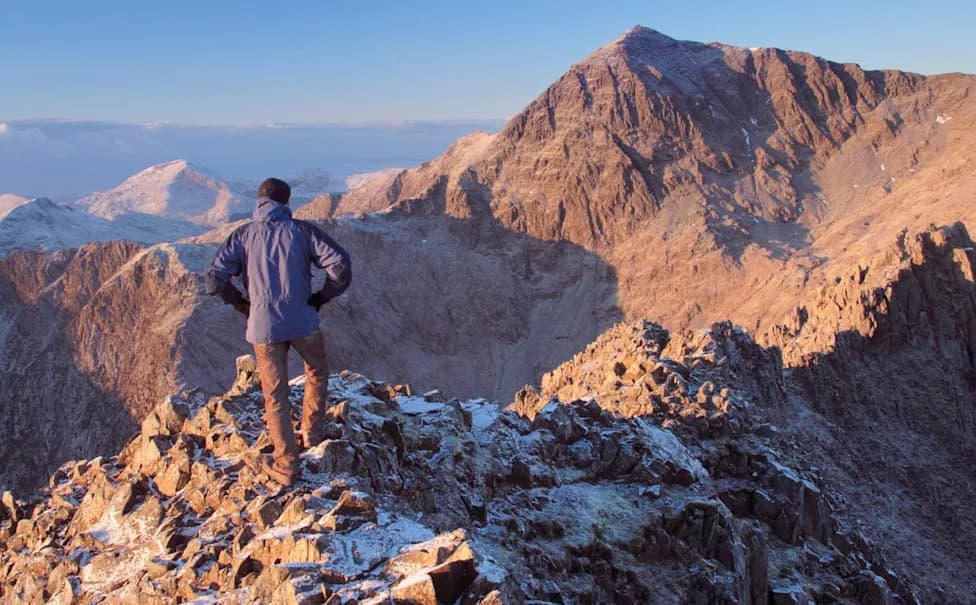
"We were overconfident and under-prepared," fitness influencer Nathan Mburu told the BBC after a rescue on Crib Goch left him and two friends stranded on a ridge. Rapidly worsening weather turned a manageable outing into a six-hour wait for rescuers.
Common Causes
- Slips and Trips: Nearly a quarter of rescues in England and Wales last year were caused by slipping or tripping, often leading to ankle, lower-leg or head injuries.
- Poor Equipment: Around 10% of incidents were linked to inadequate kit — footwear, clothing or navigation tools.
- Severe Weather: Roughly 20% of call-outs involved sudden changes in weather that hikers did not anticipate.
- Route Misjudgement: Underestimating time, gradient, scrambling sections or technical terrain frequently leaves groups exposed as conditions change.
Responses and Practical Solutions
Rescue organisations and park authorities are experimenting with ways to reduce incidents while keeping the outdoors accessible. Mountain Rescue England and Wales say many people "rarely use maps and compasses," so some parks are improving signage and publishing common routes. A pilot scheme in the Lake District, Peak District and parts of Wales lets walkers scan a QR code to download a mapped route and turn-by-turn guidance to their device.
Experts also stress clear, practical safety advice: plan routes conservatively for your experience, check the weather forecast and turnaround times, wear appropriate footwear and layers, carry navigation tools (and know how to use them), and tell someone your plan and expected finish time. When in doubt, choose an easier route or turn back early.
How To Enjoy Mountains Safely
- Research the Route: Read recent trip reports and guidebooks for current conditions and objective hazards.
- Know Your Limits: Match the route to your fitness and technical ability; don’t be swayed by a scenic clip online.
- Pack Properly: Waterproofs, warm layers, map, compass or a downloaded GPX file, spare food and a charged phone are essentials.
- Respect Weather: Mountain weather can change fast — build contingencies into your plans.
- Learn Basic Navigation and First Aid: Simple skills dramatically reduce the chance of needing rescue.
Rising interest in the outdoors is positive for health and wellbeing, but it demands better preparation. Clearer route information, honest portrayal by content creators and practical safety measures from walkers themselves can help keep new generations enjoying mountains without adding to mountain rescue call-outs.
Help us improve.