New analysis by Bins.Co.Uk, highlighted by the Grocery Gazette, estimates U.K. supermarkets discard about 110,231 tonnes of edible food annually — equal to over 238 million meals and roughly £316 million ($420m) in lost value. Total supermarket food waste is estimated at 264,555 tonnes. The study urges mandatory charity partnerships, formal recording of edible surplus and better tracking to reduce overordering and speed redistribution.
UK Supermarkets Throw Away Enough Edible Food For 238 Million Meals, New Analysis Finds
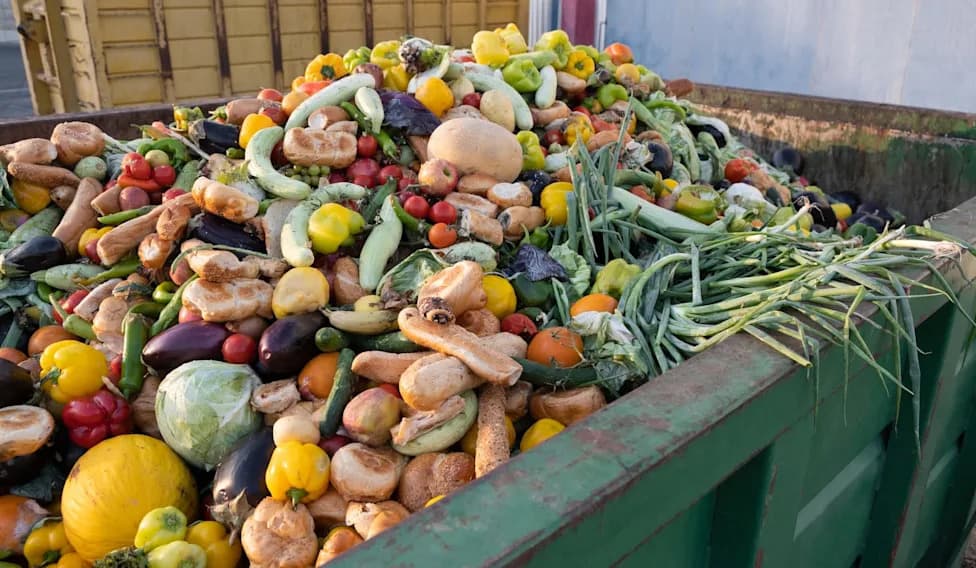
Photo Credit: iStock
Perfectly edible food is being discarded on a large scale at supermarkets across the United Kingdom, a new analysis suggests.
How Much Food Is Wasted?
Research highlighted by the Grocery Gazette and conducted by Bins.Co.Uk estimates that U.K. supermarkets produce about 264,555 tonnes of food waste each year. Of that total, roughly 110,231 tonnes are judged to be still edible — the equivalent of more than 238 million meals and an estimated £316 million (around $420 million) in lost food value.
Using WRAP's standard conversion of 14.8 ounces (420 g) per meal and a U.K. population of about 69.3 million, the researchers calculate this edible waste amounts to roughly 3.4 meals per person each year.
Why This Matters
Throwing away edible food wastes much more than the products themselves: it also squanders the money, energy, water, labour and transport used to produce, process and distribute those items. The problem is particularly acute at a time when many households continue to face high grocery bills and food insecurity.
Limits To Redistribution
Not every item counted as "edible surplus" can safely be donated. Some products may be damaged, past their use-by date, unsafe, or otherwise unsuitable for redistribution. Clear rules and improved handling are required to separate safely redistributable food from items that must be discarded.
Policy And Practice Gaps
Current U.K. government guidance encourages businesses to prevent surplus and to give remaining safe food to charities, but that guidance is not legally binding on retailers. The analysis recommends that supermarkets be required to:
- Set up formal agreements with approved charities or redistribution partners;
- Record and publish the volume of edible surplus they generate;
- Improve tracking to identify patterns, reduce overordering and move safe food faster before it spoils.
What Could Change
Better prevention, monitoring and donation systems — paired with clear safety protocols for redistribution — could save millions of meals each year and reduce the environmental and economic cost of food waste.
Bottom line: If retailers improve forecasting, tracking and formal partnerships for redistribution, a significant share of currently wasted edible food could instead feed people in need.
Help us improve.