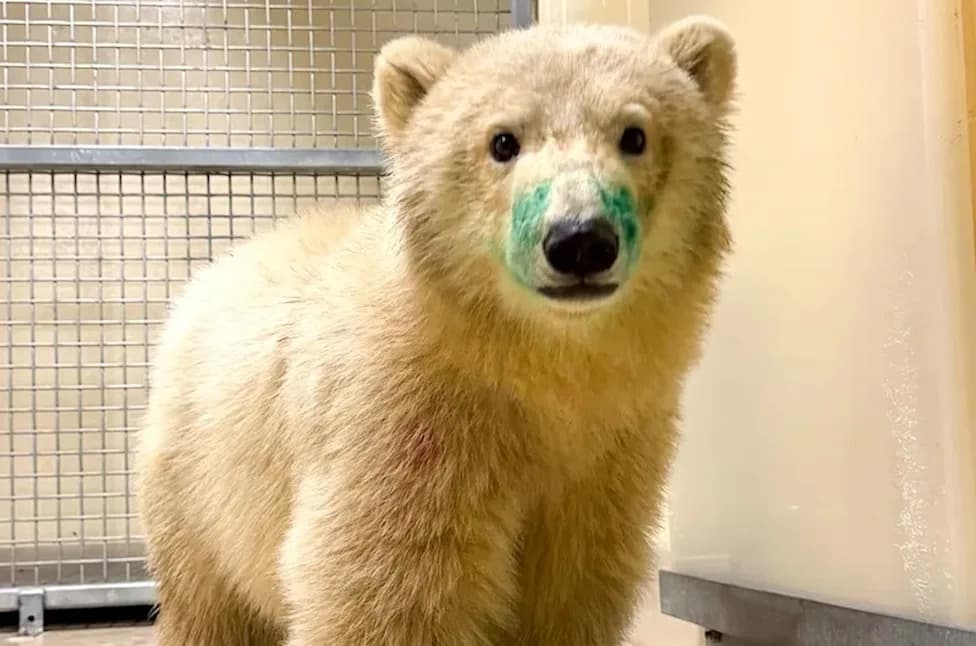
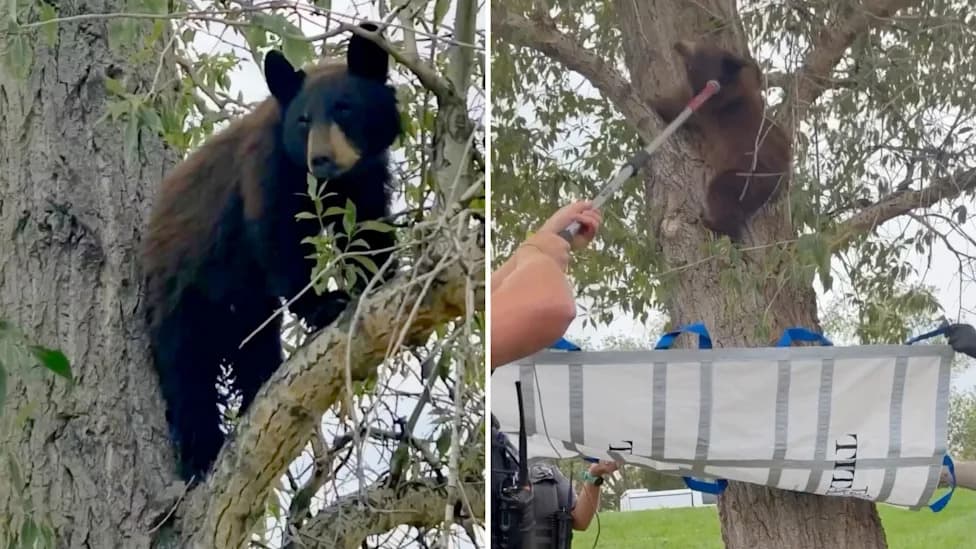
An orphaned grizzly cub spotted near an industrial camp north of Fort St. John was rescued after shelter staff, with local approval, set bait and initially discovered a large black bear instead. Rescuers later located, captured and transported the underweight, frightened cub to a wildlife shelter, where it will remain for about a year to regain strength. The cub will be fitted with a radio collar before release so it can be monitored, reducing future human-wildlife conflict and supporting ecosystem health.
Orphaned Grizzly Cub Found Safe After Rescue Near B.C. Industrial Camp
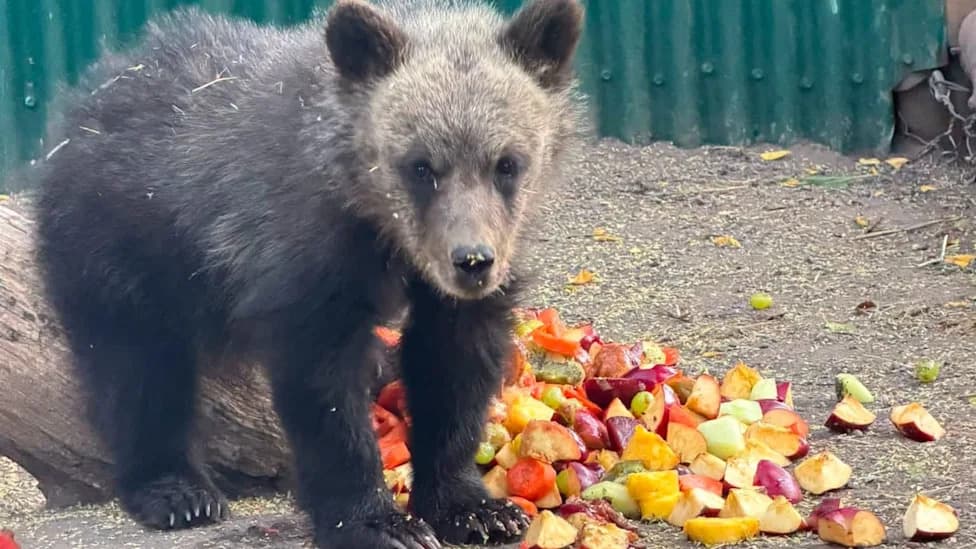
Photo Credit: Northern Lights Wildlife Society
A grizzly cub that had been living alone for weeks near an industrial camp north of Fort St. John, British Columbia, is now safe after a rescue operation that briefly took a worrying turn.
According to CJDCTV, the orphaned cub was first spotted by workers near the camp. After several reports, local authorities authorized the Northern Lights Wildlife Shelter to attempt a rescue.
Shelter staff set bait to lure the cub, but instead found a large black bear feeding in the trap. Rescuers feared the worst about the missing cub.
“We didn't know if the cub had gone into hiding or if it had been preyed upon,” said Angelika Langen of the Smithers Wildlife Shelter, speaking to CJDCTV.
Fortunately, the cub was later located, captured and transported to a secure rehabilitation facility. Rescuers described the animal as extremely frightened and underweight.
Recovery and Monitoring
The cub will remain under the shelter's care for roughly a year so it can regain weight, learn survival skills, and grow large enough to defend itself. Before release, wildlife teams will fit the bear with a radio collar so its movements can be monitored and managers can intervene if it again approaches people or camps.
Why Timely Intervention Matters
Very young bears depend on their mothers for food, protection and key survival behaviors. Left alone, cubs quickly become vulnerable to starvation, predation and risky interactions around human activity. Prompt rescues reduce the likelihood that a stressed or hungry bear will seek out camps, roads or other human settlements — situations that can endanger people and animals.
Protecting grizzlies also benefits broader ecosystems: large predators and omnivores play important roles in maintaining ecological balance, and successful rehabilitation efforts help preserve those natural dynamics.
Source: CJDCTV; Northern Lights Wildlife Shelter; Smithers Wildlife Shelter.
Help us improve.