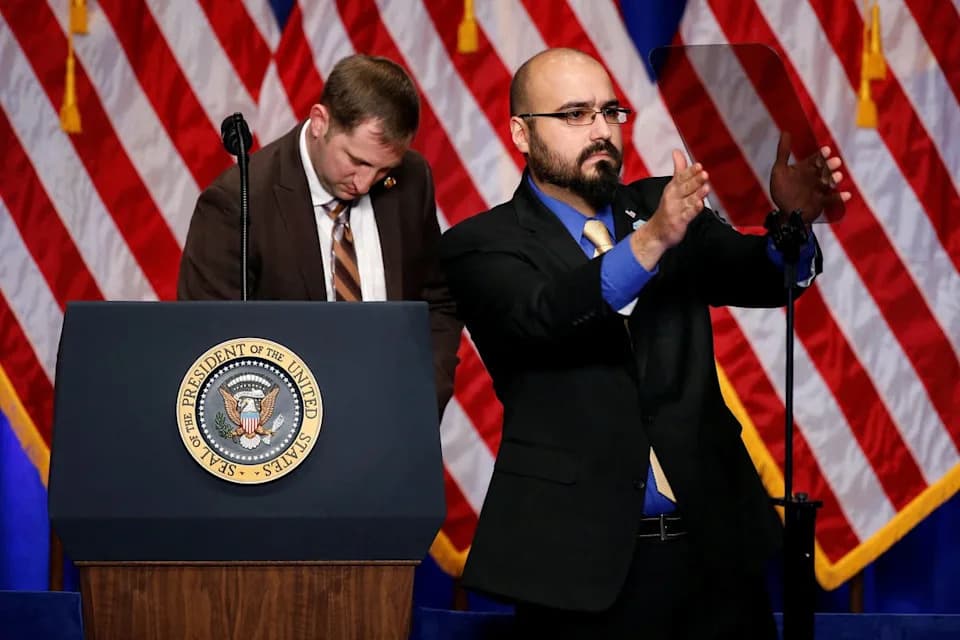
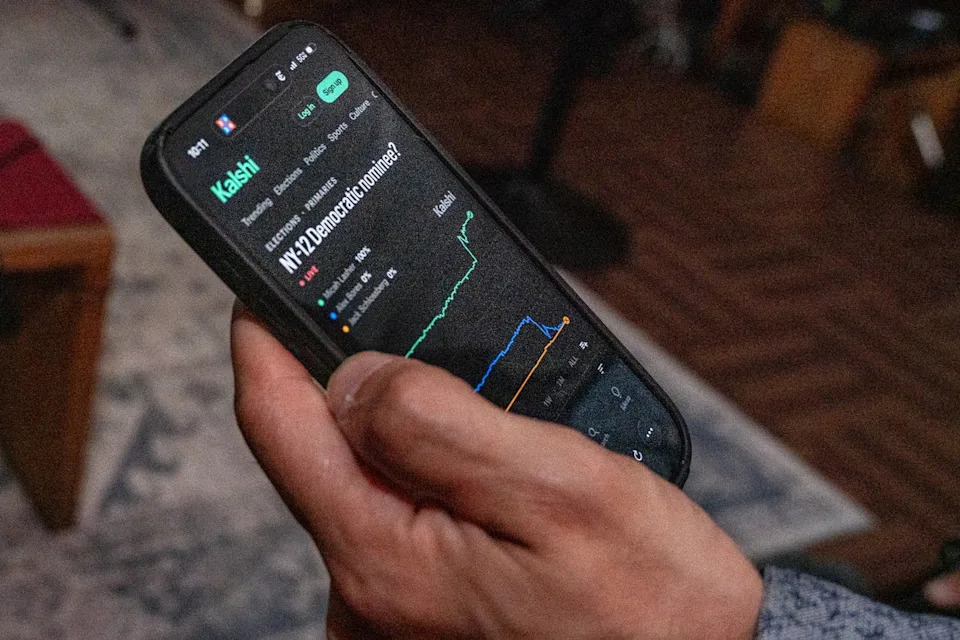
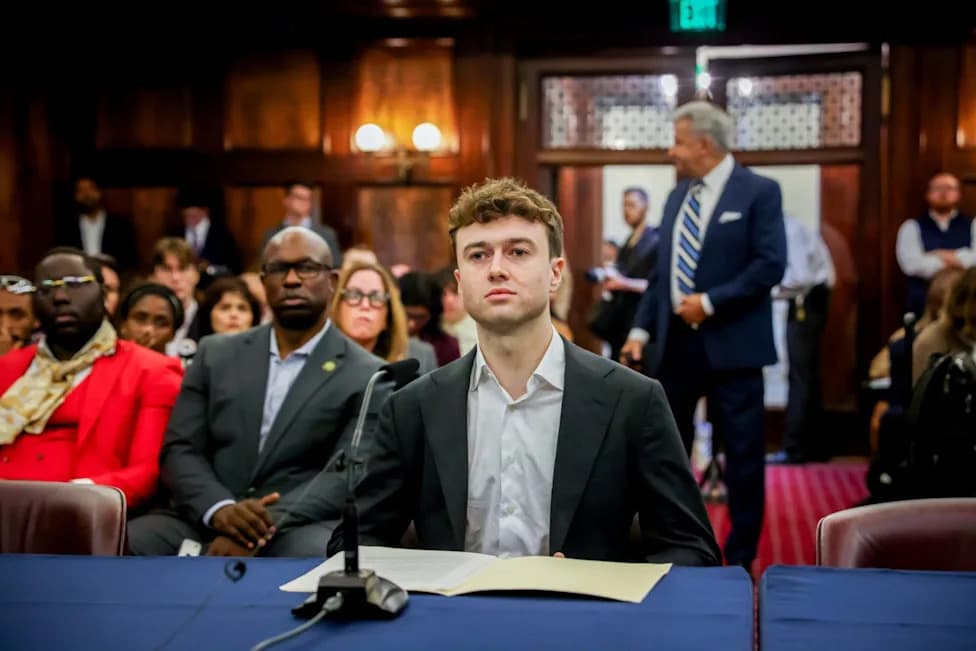
Gabriel Perez, a longtime White House teleprompter operator who worked with Donald Trump since 2016, no longer holds a federal position after investigators concluded he earned more than $100,000 betting on the president’s public remarks on the prediction market Kalshi.
A White House official told The Independent that Perez "no longer works in the federal government," but would not confirm whether he resigned or was dismissed. Perez was listed in a White House report to Congress as "deputy assistant to the president and technical advisor," with an annual salary of $175,000.
Perez was placed on unpaid administrative leave earlier in the month after Kalshi's internal surveillance team flagged suspicious trades and referred them to the Commodity Futures Trading Commission (CFTC) for potential insider trading. Federal investigators examined allegations that Perez used advance knowledge of the president's remarks to place wagers on whether Trump would say specific words or phrases, collecting more than $100,000 in payouts.
White House response. Press secretary Karoline Leavitt told reporters that Trump personally approved Perez’s placement on leave and described the episode as "deeply unfortunate and frankly a disgrace." Leavitt said Kalshi notified regulators of suspicious activity, which led to identification of the individual and his removal from White House duties.
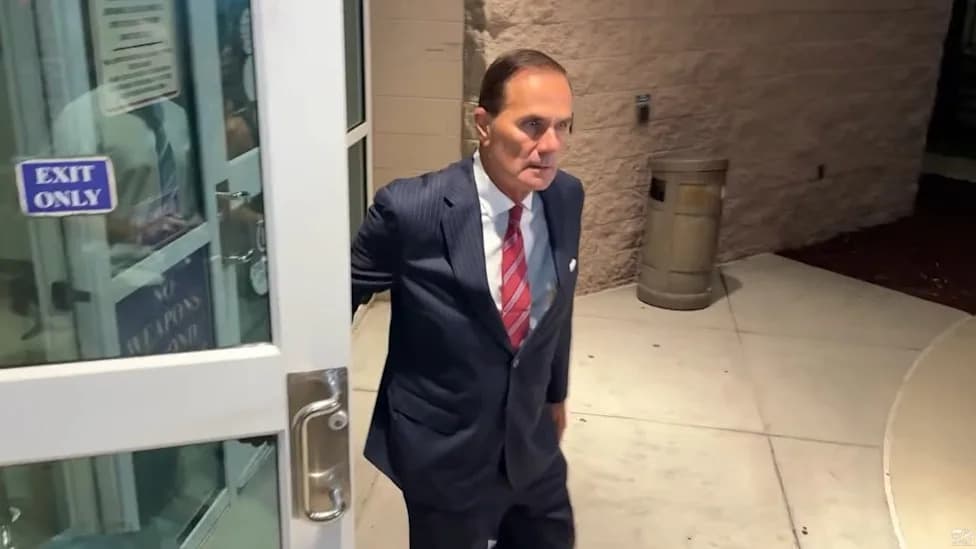
Reporting and review. ABC News first reported that Perez placed bets on Trump’s State of the Union address in February and on more than a dozen other events over roughly three months, including a speech at the World Economic Forum in Davos and a Medal of Honor ceremony. Kalshi's head of enforcement, Bobby DeNault, said the company is cooperating with regulators.
Legal and regulatory outcome
The White House has warned staff against using websites such as Kalshi and Polymarket following a surge of suspicious trading related to the US war with Iran, moves that critics fear could be used to shift global markets and potentially shape geopolitics (Getty)
Federal prosecutors in Manhattan reportedly declined to open a criminal investigation, though regulatory authorities are said to have reached a settlement requiring Perez to forfeit his profits and agree not to place similar bets in the future. Details of any settlement have not been fully disclosed.
Broader concerns. The case has renewed worries that government employees' access to nonpublic or sensitive information could be exploited on prediction markets to move markets or influence geopolitics. The White House Management Office sent a March memo warning staff against using nonpublic information for private gain and reiterated that federal ethics rules bar gambling on government property.
Officials point to other high-profile examples tied to prediction markets: prosecutors allege a U.S. Army soldier used classified information about the capture of Venezuela’s Nicolás Maduro to make more than $400,000 on Polymarket; Gannon Ken Van Dyke faces multiple federal charges related to that case. In April, Kalshi also fined and suspended three congressional candidates for wagering on their own contests.
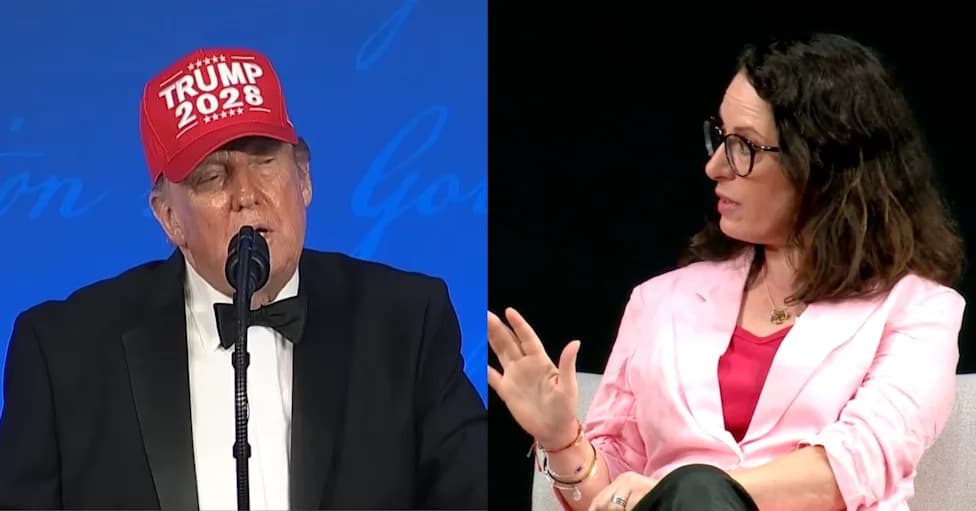
Industry and political reactions. Lawmakers and several state legislatures are considering measures to limit public officials' use of platforms such as Kalshi and Polymarket. Meanwhile, Trump’s social platform, Truth Social, has announced plans to launch its own prediction market. Trump has warned that strict regulation could leave the U.S. "out in the cold," while also saying he is not personally enthusiastic about such platforms.
"I have a guy, Gabe," Trump said in 2024 at a campaign event in Reno. "He's excellent. I've had some real bad ones, but I have Gabe."
This episode underscores growing regulatory and ethical questions about how prediction markets intersect with access to privileged government information.