Summary: Protesters in Isfahan confronted security forces trying to stop the public execution of two men accused in violence linked to January unrest. Despite clashes, Abolfazl Sepahi and Amirhossein Safari were hanged, according to the judiciary. Rights groups criticized remote trials, alleged coercion and lack of legal representation, while inmates and activists nationwide staged protests in response.
Isfahan Protests Erupt As Two Men Are Executed Despite Attempts To Stop Public Hangings
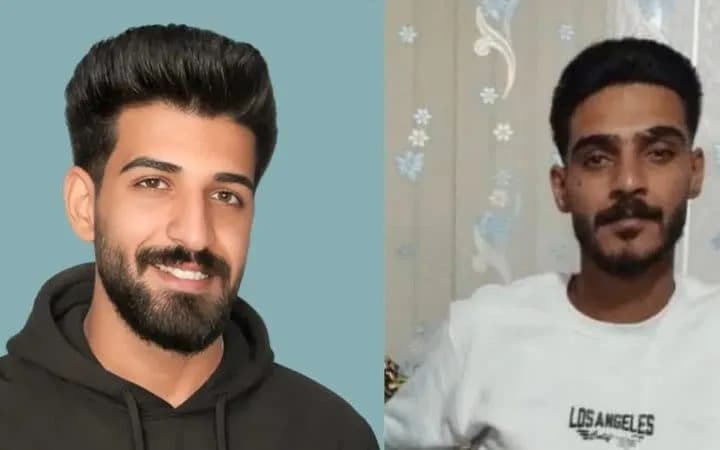
Amirhossein Safari, left, and Abolfazl Sepahi, right, were executed in Isfahan
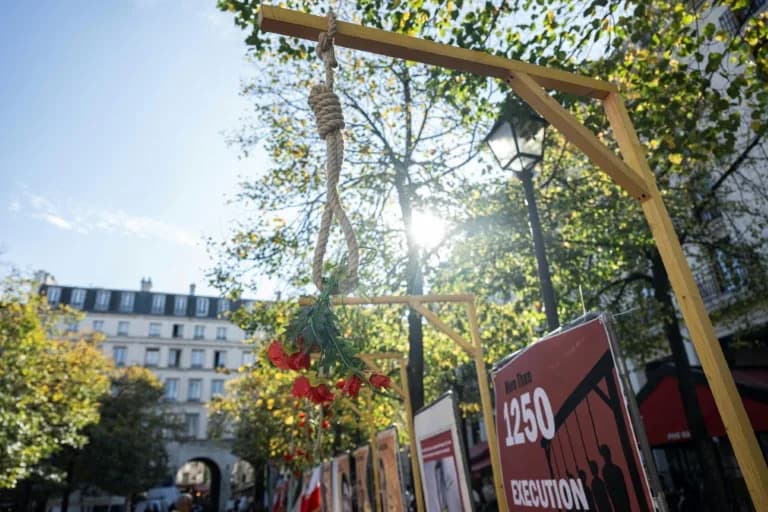
Demonstrators in Isfahan clashed with security forces as crowds tried to prevent the public execution of two men arrested after nationwide unrest in January. Videos circulating on social media showed a crane and gallows erected in Alikhani Square, crowds remaining through the night, and security units moving in to disperse assembled relatives and protesters.
The Executions
The judiciary-linked Mizan news agency reported that Abolfazl Sepahi, 23, and Amirhossein Safari, 28, were hanged in Isfahan despite the attempts to stop the executions. The case is linked to events on 8 January in Malekshahr, where Iran’s judiciary says four security personnel were killed. State outlets allege the officers were attacked, stripped and set alight; video released by pro-government sources was distant and inconclusive.
Scenes At Alikhani Square
Social media clips showed riot police from Iran’s special units deployed with motorcycles, armoured vehicles and heavy equipment. Witnesses reported the use of paintball rounds and tear gas; some footage included audible gunshots. Other clips showed green laser dots trained on demonstrators — a marker that has previously signalled security forces taking aim in crackdowns. Internet access in parts of Isfahan was reportedly disrupted during the events.
Concerns Over Fair Trial And Detention Conditions
Rights organisations have raised serious concerns about how the trials were conducted. They say many hearings were held by phone or video from inside prisons, often without lawyers — including state-appointed counsel — present. Defendants were reportedly placed in rooms with prison officers while judges appeared remotely. Rights groups also allege detainees were held for months and subjected to coercion or torture to obtain confessions; under Iranian law a confession is valid only against the person who made it, not as independent proof against others.
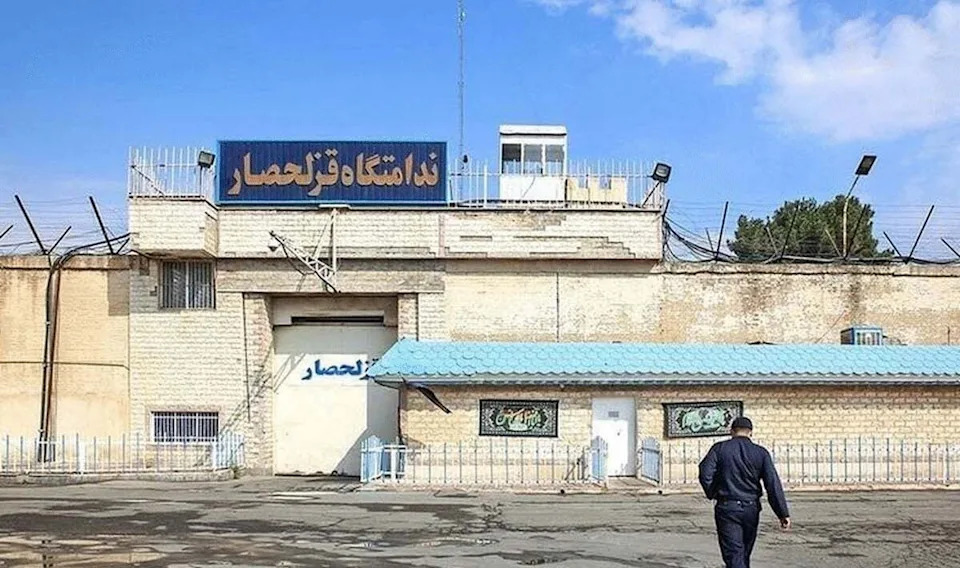
Prisoners at Ghezel Hesar are on a hunger strike
Wider Context And Aftermath
Sepahi and Safari were among at least 14 people given final death sentences in a mass case arising from the January unrest; roughly 60 people were initially detained. Rights groups and media reports say at least 23 people have been executed in connection with the January unrest so far, and The Telegraph reported in May that as many as 62 demonstrators faced the death penalty. Two other defendants were executed in Isfahan earlier in the month.
Prison unrest has spread: inmates at Ghezel Hesar prison in Karaj staged a hunger strike and sit-in for a reported 15th day to protest executions, with some prisoners sewing their lips shut. Prison authorities moved roughly 140 inmates without death sentences out of the unit, leaving those condemned. Activists in Rasht gathered outside prison offices to warn against further executions of political prisoners held at Lakan prison.
International And Human Rights Response
Human-rights groups and international observers have expressed alarm at the scale and speed of death sentences tied to the January unrest and criticised trial procedures and reported mistreatment. Advocates say authorities sometimes accelerate executions during moments of international distraction to deter opposition at home.
"Concerns persist about trial fairness, forced confessions, and use of executions to intimidate dissent," rights groups said.
The Isfahan gatherings — the first significant public protests in the city since the January unrest — underscore the continuing divisions inside Iran and the contentious nature of the government’s response.
Help us improve.