Wisconsin election officials warned that betting on outcomes in elections where you vote may violate an 1849 state statute that bars voters from wagering on election results. Prediction-market operator Kalshi has called the advisory illegal and unconstitutional and is challenging it. Commissioner Ann Jacobs says the notice is meant to protect voting integrity, not to disenfranchise voters, and officials cite concerns that financial incentives could distort voter choice.
Wisconsin Warns Voters: Betting On Elections You Vote In Could Violate 1849 Law; Kalshi Challenges Advisory
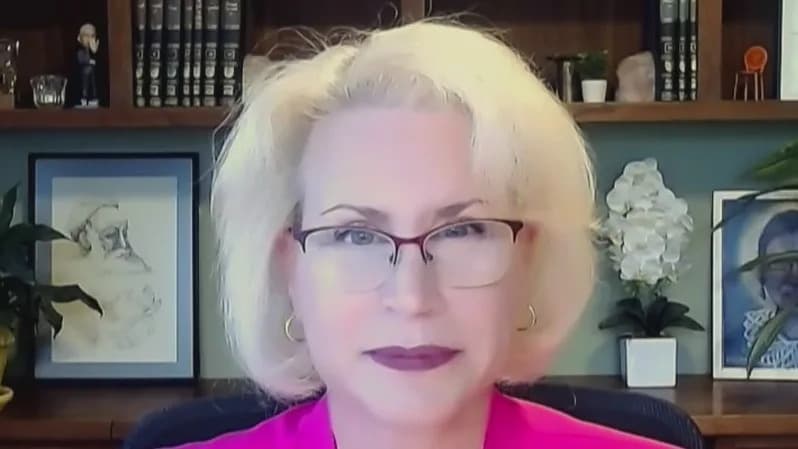
Wisconsin official explains state’s battle over election betting
Wisconsin election officials have issued a notice warning that placing wagers on the outcome of an election in which you are a voter may violate a state statute that dates back to 1849. The advisory comes as prediction markets — platforms that let people bet on events such as electoral outcomes or economic indicators — gain popularity.
What The Law Says
"No person shall be allowed to vote in any election in which the person has made or become interested, directly or indirectly, in any bet or wager depending upon the result of the election."
The Wisconsin Elections Commission cited that statute when alerting voters. Kalshi, a prediction-market operator, responded Monday by calling the advisory illegal and unconstitutional and has signaled a legal challenge.
Officials' Rationale
Ann Jacobs, commissioner of the Wisconsin Elections Commission, told "The Hill on NewsNation" the notice was not intended to disenfranchise voters. "The voter can make the choice. They can vote … or they can bet," she said. "One is a constitutionally guaranteed right, the right to vote. That's an intrinsic right. But it's not absolute."
Jacobs and other officials argue the law aims to protect voting integrity by discouraging financial incentives that might lead voters to choose a candidate based on a payoff rather than principle. "We're really tiptoeing awfully close to the same sort of improper impulses that you would see in a bribery situation," she said.
Legal And National Context
Election wagering is prohibited in 23 states and restricted in nine others. Recently, a judge blocked Minnesota from enforcing its prediction-market ban, noting potential conflicts between federal and state law in this area. Legal challenges are likely to continue as prediction markets expand and traders assert First and commerce-clause protections.
Practical Note: Wisconsin's next scheduled election is Aug. 11. Voters who participate in prediction markets should consider this advisory and monitor any legal developments or official guidance before casting ballots in races they have wagered on.
Help us improve.