The U.S. House approved the FDA Modernization Act 3.0, a bill directing the FDA to update rules that still reference animal testing and to promote validated nonanimal testing approaches. The measure builds on the 2022 FDA Modernization Act 2.0 and the FDA's 2025 roadmap aiming to make animal studies uncommon. Supporters say the change could speed drug development, cut costs, and reduce animal harm; the bill now moves to the Senate and would go to the president if approved.
House Approves FDA Modernization Act 3.0 to Shift Drug Testing Away From Animals
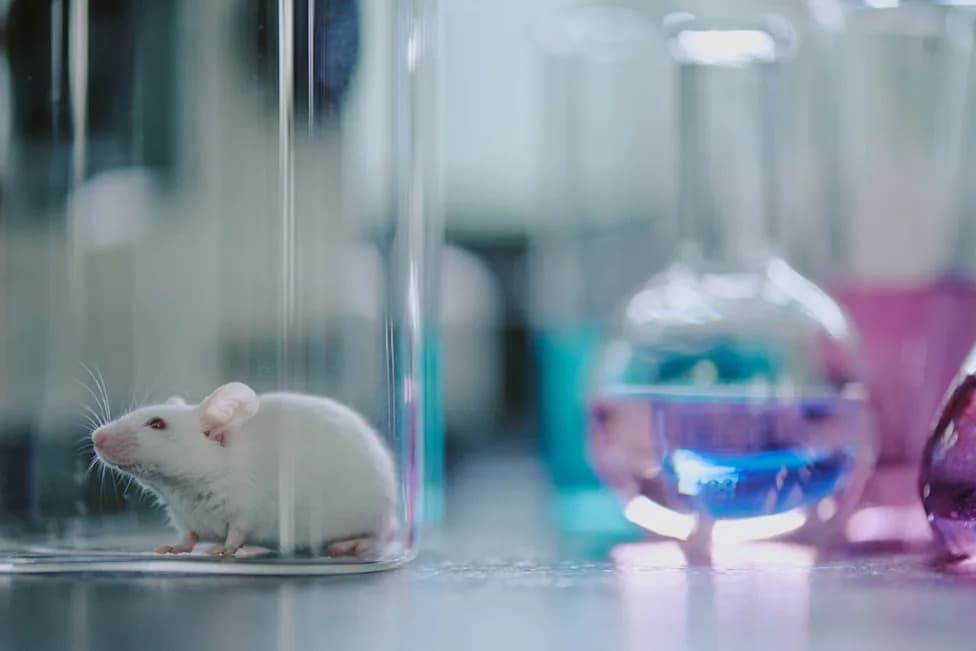
Photo Credit: iStock
Federal efforts to modernize how medicines are evaluated took a clear step forward this week when the U.S. House approved the FDA Modernization Act 3.0, a bill that would push regulatory guidance away from default animal testing and toward newer nonanimal approaches.
What the Bill Would Do
The measure directs the Food and Drug Administration (FDA) to revise agency regulations and guidance that still presume or reference animal testing — updating language that supporters say can slow adoption of alternative testing tools even though existing law already permits nonanimal methods. Coverage of the vote was reported by Fierce Biotech.
This effort builds on the 2022 FDA Modernization Act 2.0, which removed the long-standing statutory requirement that investigational drugs be tested in animals before human clinical trials may begin. In 2025 the FDA itself published a three- to five-year roadmap that said it aims to make animal studies uncommon rather than the default in preclinical testing.
Why It Matters
Supporters contend that updating regulatory language could speed drug development, lower costs, and improve the relevance of early safety testing for humans. Animal welfare groups also frame the move as an ethical milestone: modern nonanimal methods can produce human-relevant data while reducing harm to animals.
“We can now embrace scientifically superior methods that can speed the development of safer medicines, reduce costs, and spare countless animals from counterproductive testing on them,” said Wayne Pacelle, president of the Center for a Humane Economy.
Rep. Buddy Carter (R-Ga.), sponsor of the bill, described the House vote as “a major step toward a more modern, effective, and humane system for evaluating medicines.”
Next Steps and Broader Context
The bill now moves to the Senate; if the Senate approves it, the measure would go to President Donald Trump for signature. If enacted, the law would increase pressure on the FDA to align its regulatory language and procedures with current statutes and the agency’s own modernization goals.
Lawmakers and stakeholders say the combination of policy change and scientific innovation — regulatory clarity plus new nonanimal tools — is the most likely path to make alternative testing approaches standard practice in preclinical drug evaluation.
Bottom line: The House passage of FDA Modernization Act 3.0 keeps momentum alive for a shift away from animal-centered preclinical testing and toward methods designed to be faster, cheaper, and more predictive of human outcomes.
Help us improve.