President Trump claimed China stole 220 million U.S. voter records in a prime-time address, an allegation Beijing has forcefully denied. A 2021 U.S. intelligence review found no evidence any foreign government changed the 2020 election result. The accusation has renewed fears among Chinese American leaders of political scapegoating ahead of the midterms and resurfaced concerns about rhetoric that coincided with a spike in anti-Asian incidents. Diplomatic talks continue as officials prepare for possible high-level visits.
Trump Alleges China Stole 220 Million Voter Files — Beijing Denies Claim; AAPI Leaders Warn Of Scapegoating
Trump’s China election data claims draw Beijing denial, stir AAPI fears
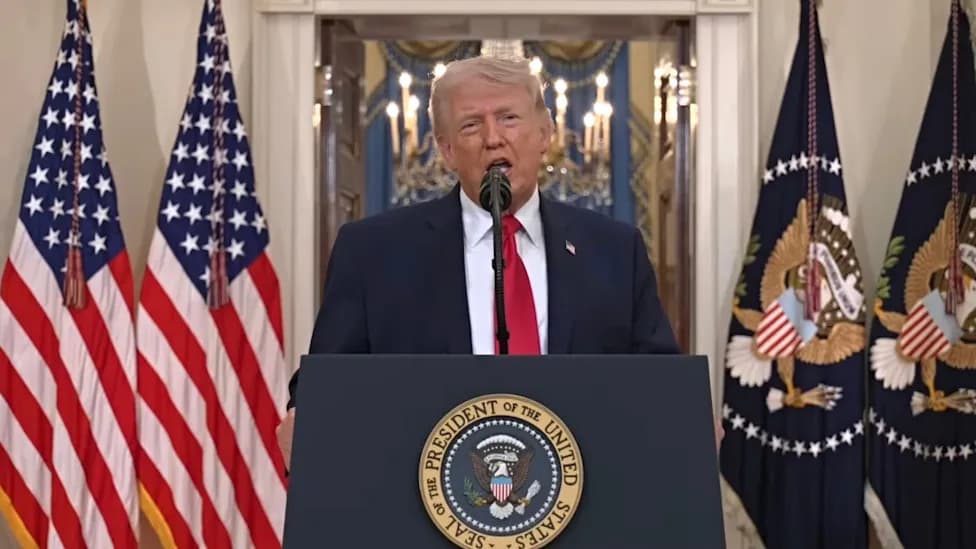
President Donald Trump accused China of stealing 220 million U.S. voter records in a prime-time White House address last Thursday, calling it "what is believed to be the largest compromise of election data in history." He said the files included names, addresses, party affiliation and phone numbers but did not present evidence showing how the alleged theft could have changed the outcome of the 2020 election, which he lost to Democrat Joe Biden.
Beijing's Response And Intelligence Findings
The Chinese Foreign Ministry strongly denied the accusation on Friday. Spokesperson Lin Jian called the claim "a false allegation and serious smear that has long been proven to be unfounded." A 2021 U.S. intelligence review similarly found no evidence that any foreign government, including China, altered the 2020 election outcome, and assessed that Beijing saw more risk than reward in trying to sway the race.
Diplomatic Context
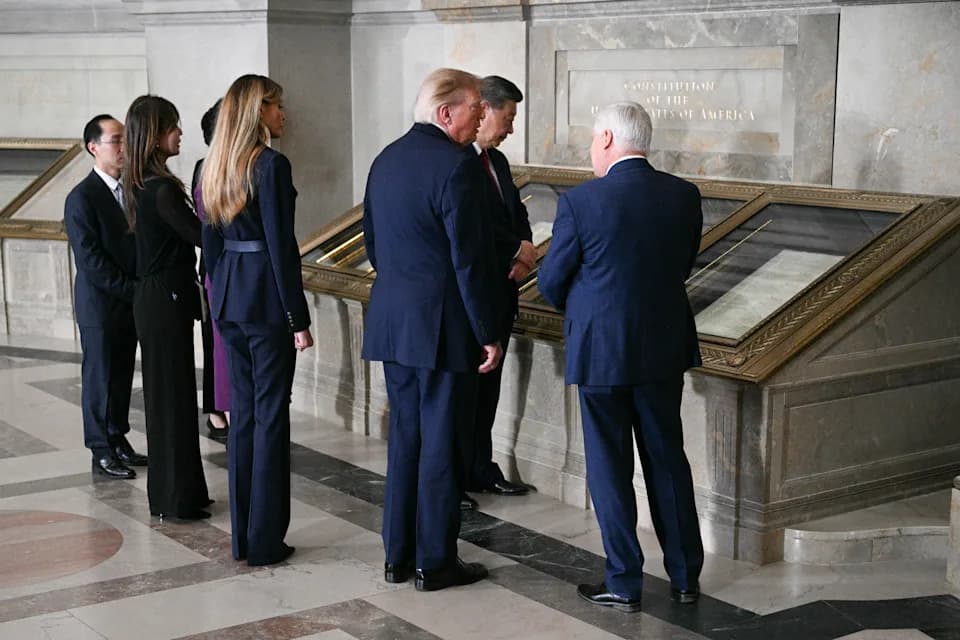
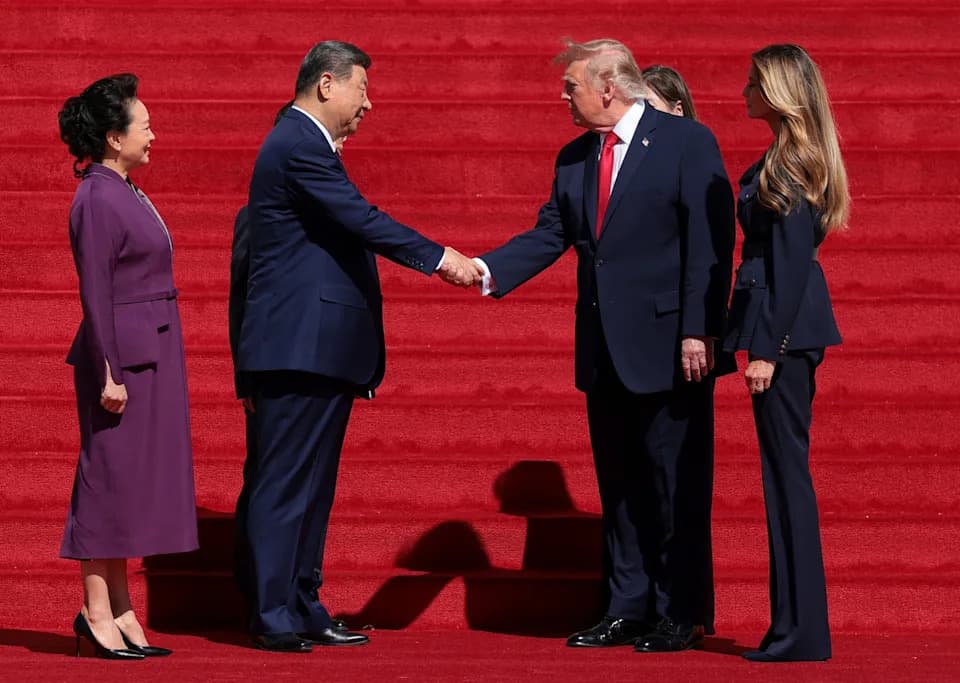
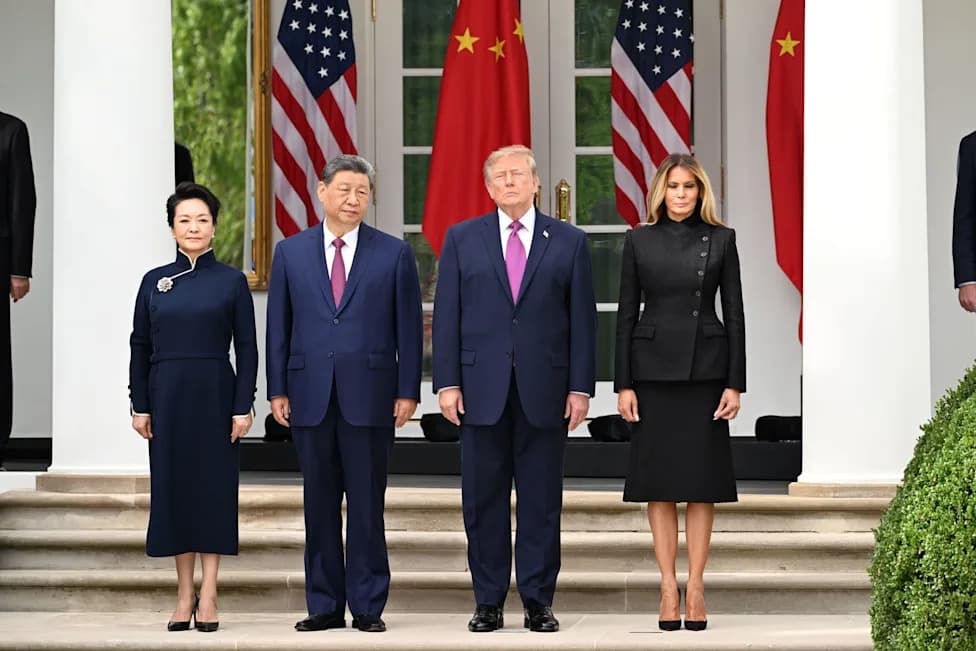
The allegation comes two months after Trump’s meeting with President Xi Jinping in Beijing. Trump subsequently proposed a return visit by Xi to Washington in September, which Beijing has not confirmed. The exchange coincided with other conciliatory signals, including the recent release of Zion Church founder Pastor Jin Mingri, who reunited with family in Los Angeles after Trump raised his case with Xi.
Trump has also delayed a $14 billion Taiwan arms sale — a move he has described as diplomatic leverage in dealings with Beijing. On Capitol Hill, Rep. Ro Khanna (D-Calif.) quipped that "Trump's kryptonite is he has become a bore," reflecting some lawmakers' efforts to downplay the claim's political impact.
AAPI Leaders' Concerns And Hate-Crime Context
Chinese American and broader Asian American and Pacific Islander (AAPI) leaders said the allegation stoked fresh anxiety that their communities could be scapegoated ahead of the November midterms. Critics say rhetoric blaming China in past years helped fuel anti-Asian hostility: FBI data show a 167% increase in hate crimes against Asian Americans from 2020 to 2021, and Stop AAPI Hate logged nearly 11,000 anti-AAPI incidents between March 2020 and December 2021.
Looking Ahead
Diplomatic engagement continues: Secretary of State Marco Rubio is scheduled to meet China’s top diplomat, Wang Yi, in Manila this week for talks expected to include preparations for any potential visit by Xi to Washington in September. Observers say Beijing is unlikely to let the allegation derail broader ties with Washington, given the stakes on trade, security and global diplomacy.
Bottom line: The claim has been publicly denied by Beijing and runs counter to a prior U.S. intelligence assessment; it has nonetheless heightened political and community anxieties as the U.S. heads into the midterm campaign season.
Help us improve.