In the week after Israel's parliament dissolved on July 17, a series of deadly strikes in Gaza killed dozens of civilians while Israeli ministers and settler movements pushed to expand settlements ahead of October elections. The UN warned the pattern of attacks between July 13 and 20 raises concerns about violations of international humanitarian law. Across the West Bank, large funding approvals, demolition orders and repeated settler violence have intensified, worsening humanitarian conditions and forcing families to flee.
Ahead Of Israeli Elections, Violence And Settlement Drive Surge In Gaza And The West Bank
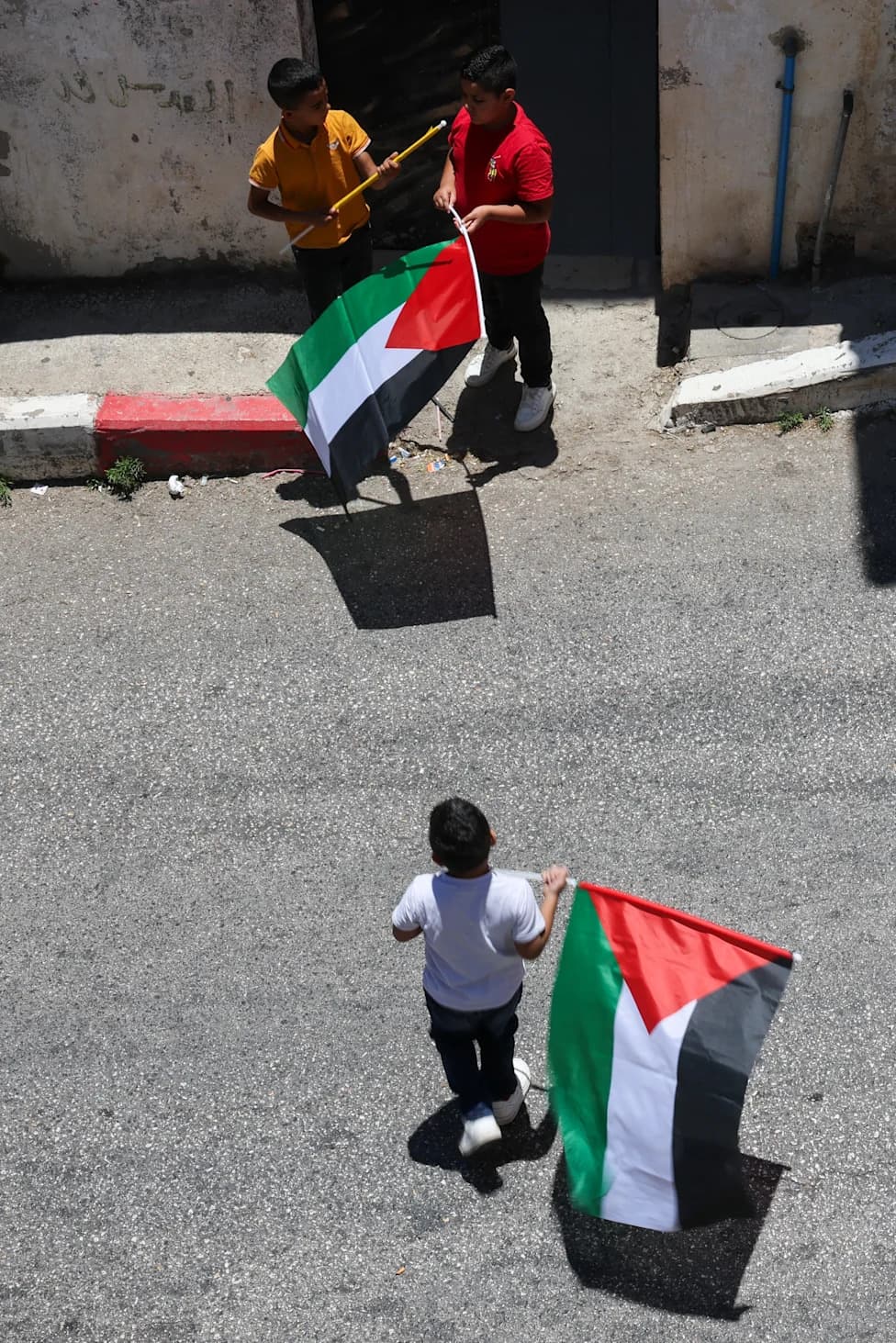
Children hold Palestinian flags, as Palestinians hold a funeral procession for two men killed during an Israeli raid on their village, Deir Jarir, in the Israeli-occupied West Bank, on July 20, 2026 [Ammar Awad/Reuters]
In the week after Israel's parliament dissolved on July 17, renewed air and ground strikes in Gaza and an intensified campaign of demolitions, land seizures and settler violence across the occupied West Bank combined with political moves at home to produce one of the most consequential weeks since October 2023. The United Nations warned that the pattern of attacks in Gaza between July 13 and 20 "raises concerns of continuing violations of international humanitarian law, war crimes and other possible atrocity crimes."
Gaza: Deadly Strikes and Rising Civilian Toll
On July 17, hours after the Knesset formally dissolved and set elections for Oct. 27, an Israeli drone struck a funeral procession outside the Ahmad Yassin Mosque in the Nuseirat refugee camp, killing at least eight mourners. Between July 13 and 20, the UN human rights office reported at least 57 Palestinians killed, including six children and eight women.
Notable Incidents
Several family homes and shelters were hit in a series of attacks that week. On July 15, an Israeli helicopter strike in Deir el-Balah killed Omar Sami Abu Qassem, his wife Asmaa Ghazi and their six-year-old daughter Habiba; their three-year-old son was the sole survivor. On July 18, a Gaza City residential building in the Nassr neighbourhood was struck by an Israeli warplane, killing Adham Nasman, his wife Marwa and three of their children; Israeli authorities later identified Nasman as a Hamas commander, a claim Hamas has not confirmed publicly.
On July 19, artillery shelling in Zeitoun killed Rida Abu Asr amid tank advances toward Dawla Junction. Earlier, on July 14, strikes on a checkpoint killed seven police officers, including the director of Jabalia police station. An overnight air attack on July 21 reportedly killed Firas al-Masri, his wife Salsabeel and their four children while they slept in Gaza City.
UN Observation: The human-rights office warned that the pattern of strikes and civilian deaths "raises concerns of continuing violations of international humanitarian law, war crimes and other possible atrocity crimes in Gaza."
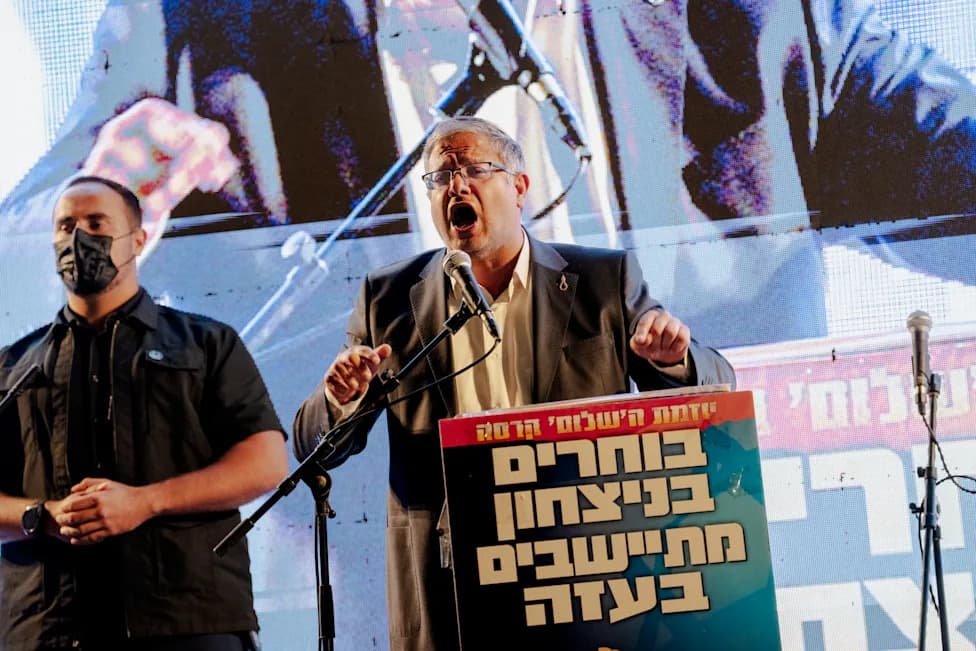
During the same week, Israel's Defence Minister Israel Katz said on Channel 14 that he felt satisfaction at scenes of destruction while touring northern Gaza and described them as the result of deliberate policy. Katz also said Israel was studying the creation of three military-style settlement outposts in northern Gaza. A march by the Nachala settler movement to the Gaza border fence — attended by multiple ministers, including Itamar Ben-Gvir and Bezalel Smotrich and endorsed by the Likud party — called for re-establishing settlements inside Gaza.
Humanitarian Situation
The United Nations Office for the Coordination of Humanitarian Affairs (OCHA) reported a sharp and worsening humanitarian crisis. According to OCHA's July 16 situation report, 63% of households in Gaza now access less than six litres of drinking water per person per day, and 60% of households live within 10 metres of exposed sewage. The UN Food and Agriculture Organization said livestock feed imports have been blocked for more than a month, tripling barley prices and threatening a die-off in August that could erase modest herd recovery recorded between October 2025 and May 2026.
West Bank: Settlement Funding, Demolitions And Violence
Parallel to the Gaza escalation, Israeli authorities pressed a campaign to create "facts on the ground" across the occupied West Bank. The security cabinet approved 1.3 billion shekels (about $426.3m) to establish 34 new settlements and on July 15 approved an additional 1.075 billion shekels (about $352.5m) for settler road infrastructure. Finance Minister Bezalel Smotrich described the move as a "settlement and security revolution," with plans for more than 100 settlements and 160 agricultural and pastoral outposts.
That funding context preceded a wave of demolitions and stop-work orders increasingly tied to clearing land for settlement infrastructure. In the northern Jordan Valley, the "Crimson Thread" barrier project continued with the reported destruction of three artesian wells near Atuf, confiscation of pumps and generators, and severing of roughly 800 metres of pipeline serving some 4,500 dunams of farmland, according to the Atuf Village Council.
In Masafer Yatta, demolition and stop-work orders in Ad-Deirat and Ar Rifaiyya were linked to a planned settlement road alongside Route 356 — a project that threatens three of five local schools serving about 700 children. Israeli military seizure orders in and around Jaba, north of East Jerusalem, were also used to facilitate road and settlement plans.
Settler Violence and Military Measures
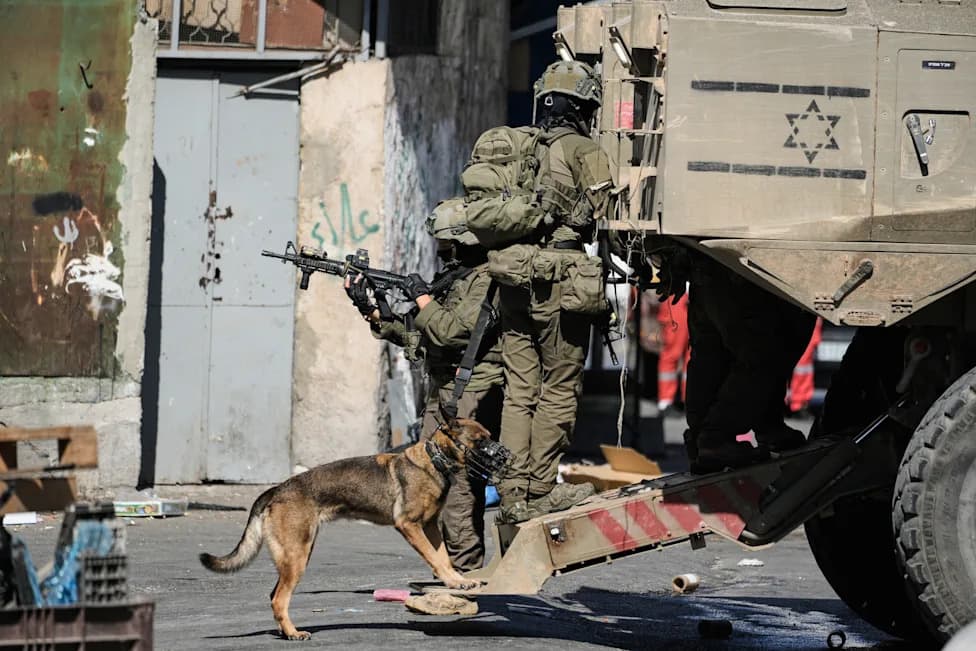
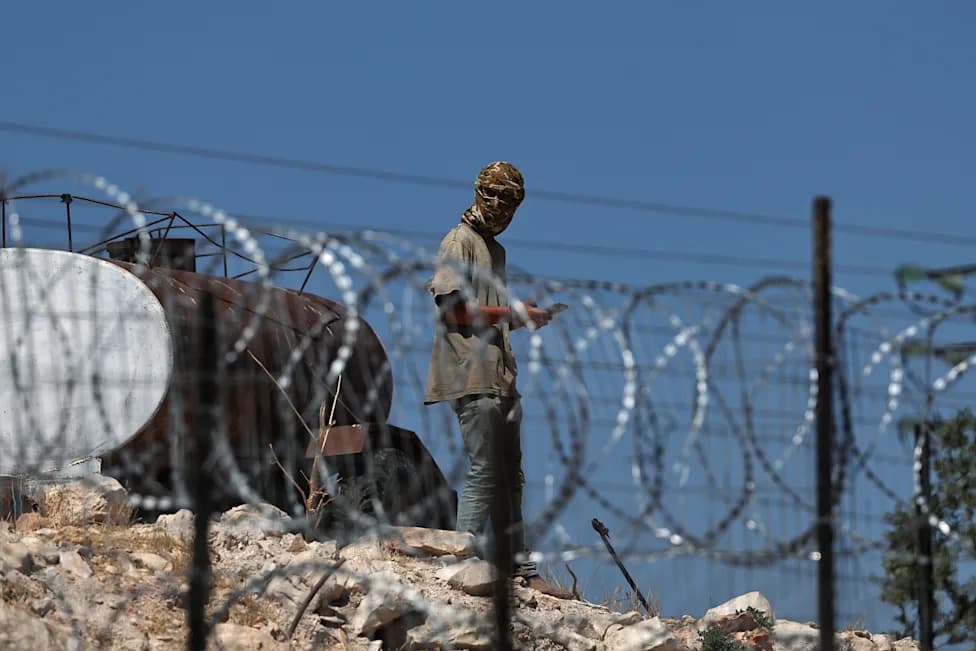
Violence and closures intensified across West Bank communities. In al-Mughayyir, northeast of Ramallah, 17-year-old national youth footballer Fadi al-Naas died on July 18 from wounds sustained during a raid on July 11 — the seventh resident killed since October 2023. Sinjil was sealed with earth mounds and barbed wire; residents reported nightly raids and a large armed settler attack on July 16. Settlers, often under army protection, returned at dawn to burn crops.
Other measures included sealing Bethlehem's countryside entrance at al-Shouli with an iron gate, temporarily closing key checkpoints into Ramallah, and reinforcing closures at Idhna with concrete blocks. In Deir Jarir, a combined military raid and attempted settler theft of roughly 70 sheep on July 19 left two men dead; witness accounts conflicted over whether soldiers or settlers fired fatal shots. Livestock theft under military escort — including the seizure of more than 180 sheep from a single family — was repeatedly reported in Masafer Yatta. In at-Tawani, settlers burned the village mosque, two homes and a dairy factory on July 18–19.
Political Moves And Controversial Measures
On July 20, Hamas selected Khalil al-Hayya as head of its political bureau, ending a period of collective leadership following the killing of Yahya Sinwar. In Israel, in the final hours before government dissolution, the outgoing coalition pushed through a legislative package including a Communications Law that increases government control over broadcast media and measures shielding ultra-Orthodox men from conscription.
Separately, Environment Minister Idit Silman reclassified the Nile crocodile as a "tended" species — a legal designation intended for species bred and managed in captivity — clearing a legal path for National Security Minister Itamar Ben-Gvir's controversial proposal to use crocodiles as a perimeter for detention facilities, beginning with Ktziot Prison, where some Gaza detainees are held without charge.
Outlook
With national elections set for late October, the combination of escalating violence, fast-tracked settlement funding, and domestic legislative changes points to a tense pre-election period marked by heightened humanitarian risk and a reshaping of on-the-ground realities in both Gaza and the West Bank.
Help us improve.