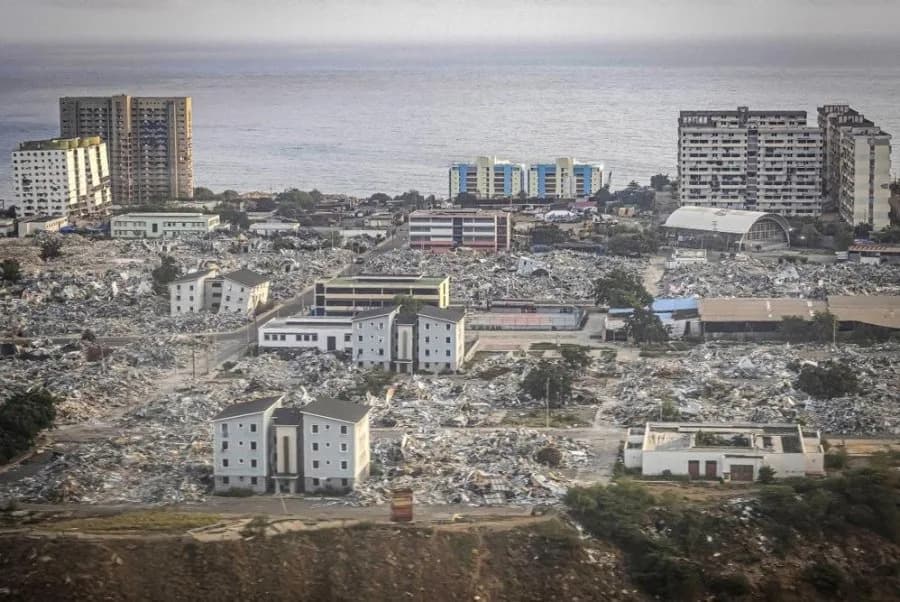
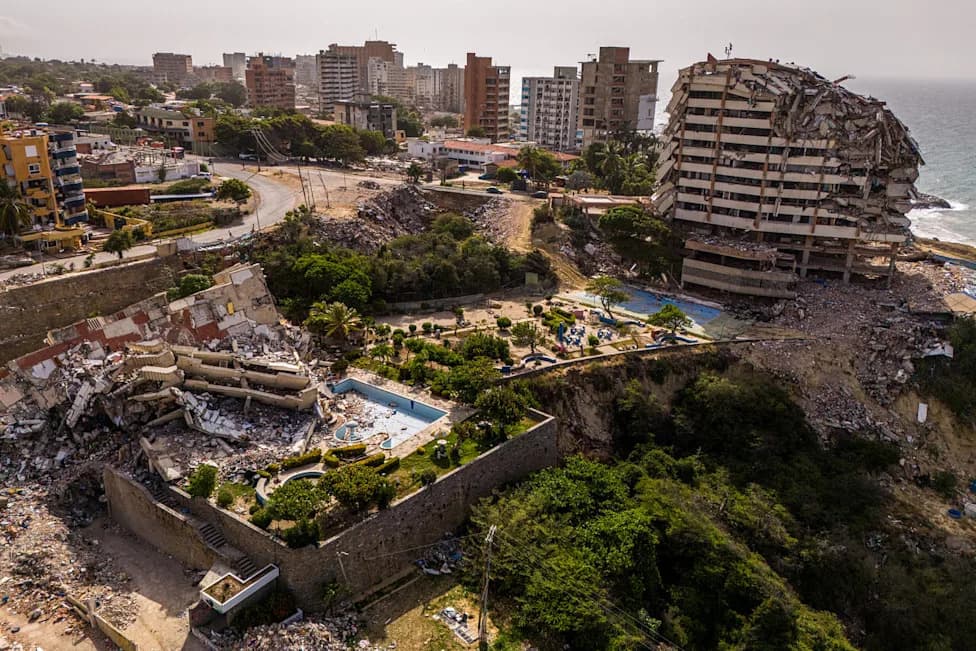
The World Food Programme delivered emergency food to the isolated village of Chichiriviche de la Costa after powerful quakes on June 24 devastated Venezuela's La Guaira state, killing at least 5,069 people. Though the village escaped major destruction, it has been cut off and faces shortages as tourism and fish sales stall. WFP distributed about 25 tonnes of food to 498 families as part of a three-month, $80 million response and plans to supply roughly 500,000 tonnes to affected areas. Locals report damaged homes, sleeping outdoors, and deep worries about future income and food access.
Aid Reaches Isolated Venezuelan Village as Supplies Run Low After Deadly Quakes
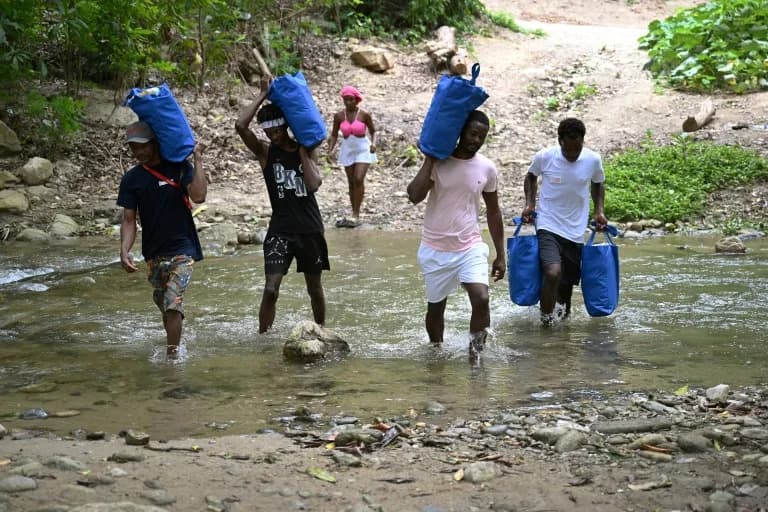
The WFP delivered food supplies to Chichiriviche de la Costa following the June 24 earthquakes (Raul ARBOLEDA)
A convoy of World Food Programme (WFP) trucks climbed a twisting coastal road in Venezuela, leaving the earthquake-devastated town of Catia La Mar behind as it made its way to the remote village of Chichiriviche de la Costa.
Although Chichiriviche largely escaped direct destruction from the twin earthquakes of June 24, its roughly 2,000 residents have been cut off from regular supplies and income as tourism and fish sales collapsed.
Access to the village is difficult: steep climbs, tight hairpin turns and long stretches of unpaved track have complicated relief efforts and discouraged visitors. The 7.2 and 7.5 magnitude quakes shattered much of La Guaira state, killing at least 5,069 people and flattening hundreds of buildings.
Aid Distribution
AFP reporters watched WFP teams distribute emergency rations in the village square as part of a three-month, $80 million programme. On the day of the visit, roughly 25 tonnes of food were handed out to 498 families, with each recipient receiving about 50 kilograms of staples such as rice, pasta, flour, oil and salt intended to last approximately one month.
The United Nations agency has said it plans to supply around 500,000 tonnes of food to remote communities and improvised shelters across the quake zone over the coming months.
Thank God, there were no deaths, but there are some minor shortages,
said Andreina Liendo, 54, as she collected rations for her four-year-old son, Andres.
No Income
WFP emergency coordinator Marc-Andre Prost told AFP the goal was to help communities through the immediate period of lost income and to meet essential food needs while wider relief operations focus on the hardest-hit areas.
Many residents rely on tourism or local markets for income. Wilfrank Liendo and his 21-year-old son, Eduardo, walked barefoot across a stream and along rough paths to deliver heavy sacks to Wilfrank's elderly mother, Margarita Mayora, 79, who now sleeps on the porch because of cracked ceilings.
We live off tourism. If the tourists don't come, we're in trouble, said her son, adding that as a farmer he has no buyers for his produce and therefore no income.
Survival And Community Response
Others described cracked walls and collapsed sections of houses they cannot afford to repair. Leida Bello, 45, carried rations to her damaged home and voiced sadness at the national loss of life.
On a near-empty beach tucked between cliffs, local fisherman Adalberto Maypora inspected his boat. Fishermen still head out to sea and often distribute catches to villagers and displaced people; authorities are reportedly covering fuel costs. But with few visitors and little cash in circulation, families face growing food insecurity.
Maypora summarized the mood: hope tempered by austerity. "Let's hope things get better," he said, urging residents to ration food and cut back on nonessential meals.
Initial emergency helicopter aid from the Netherlands reached Chichiriviche in the days after the quakes, and WFP deliveries are part of a broader international effort to reach isolated coastal and mountain communities in the aftermath of the disaster.
Help us improve.