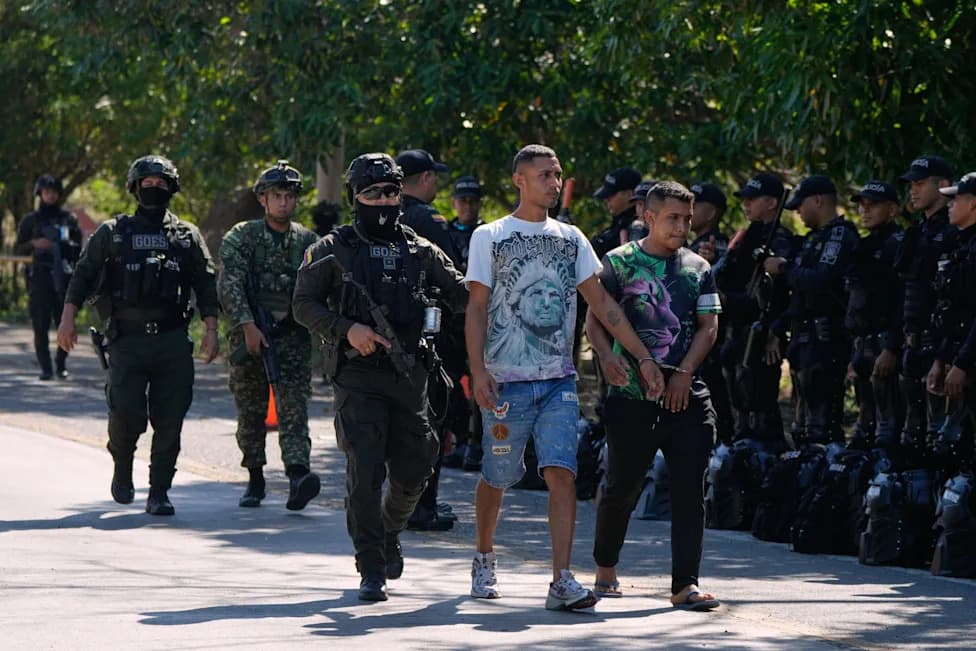
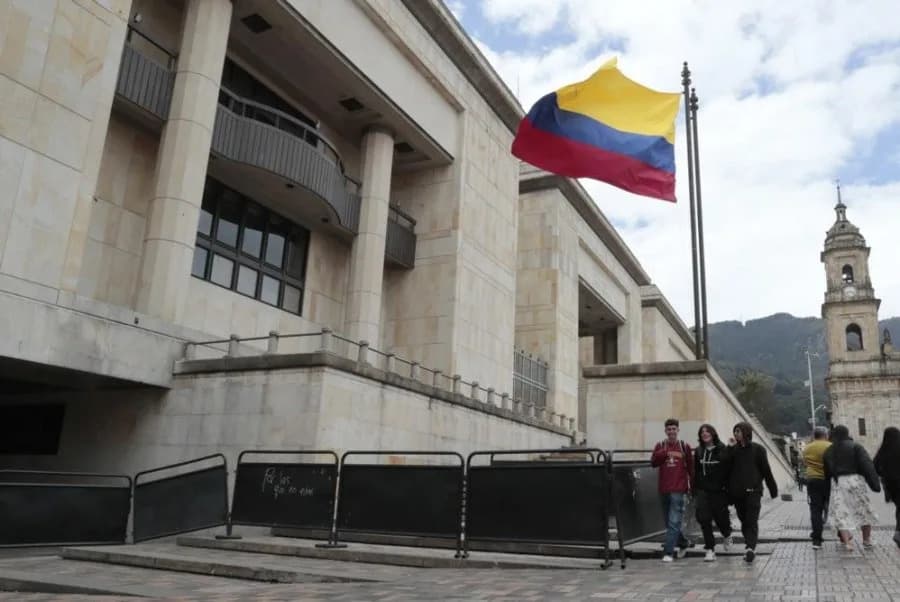
Colombian forces say they neutralized five members of the Estructura Jaime Martínez in an operation tied to an April 26 bus bombing that killed 20 and wounded 45. Military video released after the operation showed body bags and weapons seized at the scene. Authorities blame dissident FARC factions and networks linked to Iván Mordisco, while the U.N. has called for justice for the victims. The attack underscores ongoing violence over coca-growing areas and drug routes in southwestern Colombia.
Colombian Forces Say They Neutralized Five Suspects Tied to Deadly April 26 Bus Bombing
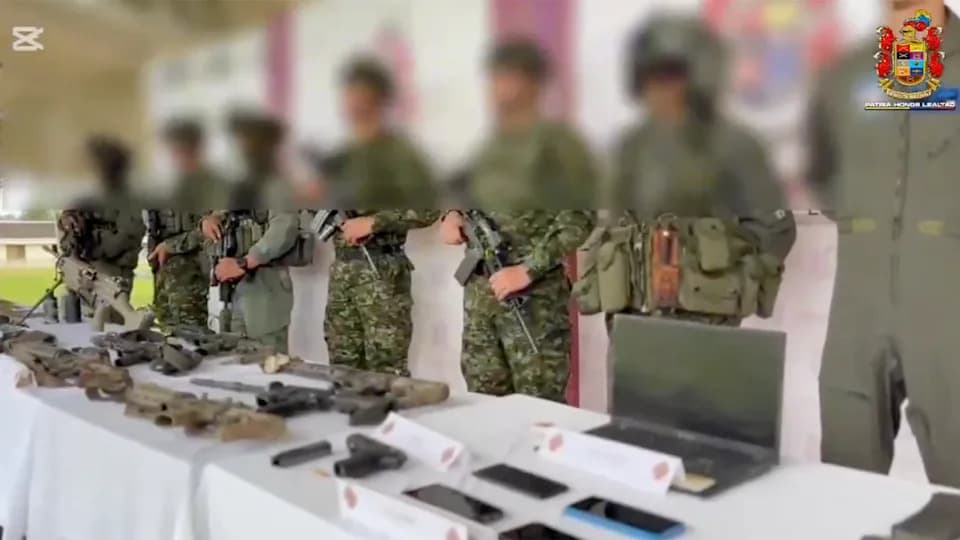
Officials shared a video showing what appeared to be various weapons laid out on a table.(Fox News)
Colombian military officials announced on Wednesday that security forces have neutralized five members of the armed group blamed for a devastating bus bombing that killed 20 civilians and wounded 45 others on April 26.
In an official statement, the Military Forces of Colombia identified the suspects as members of the Estructura Jaime Martínez, a dissident faction linked to the remnants of the Revolutionary Armed Forces of Colombia (FARC). Authorities say the group planted the explosive device on a passenger bus traveling along the Pan-American Highway in the Cauca region.
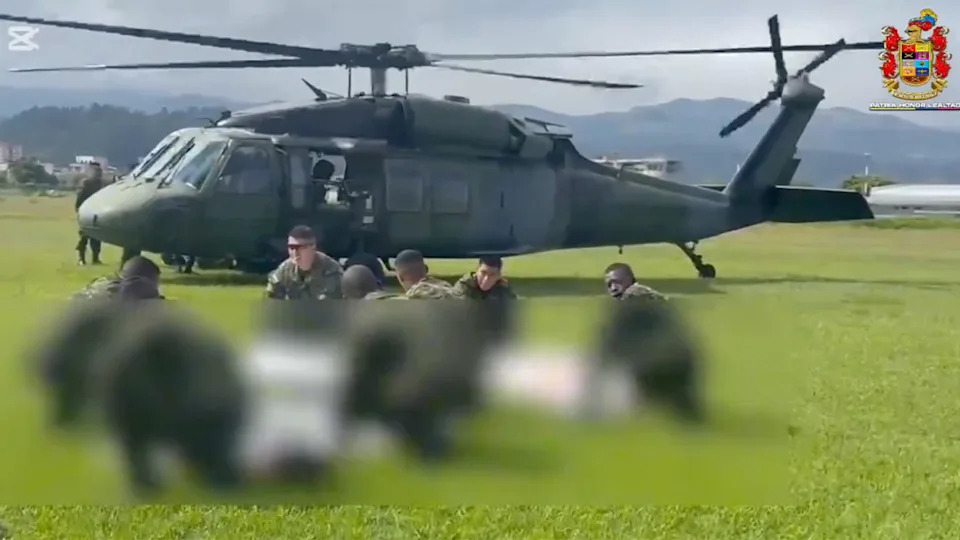
Colombian troops neutralized five suspected members of the residual organized armed group Estructura Jaime Martínez.
Operation Details and Evidence
The military released video footage showing several body bags arranged near a military helicopter and a cache of weapons seized during the operation. Officials also accused the group of stealing vehicles along the Pan-American Highway and of using drones equipped with explosives in indiscriminate attacks.
Casualties and Response
According to a report from The Associated Press, the blast killed 15 women and five men. Initial local reports had listed 36 injured, including children; the military later updated the number to 45 wounded civilians. Gen. Hugo López, commander of Colombia's armed forces, called the attack a "terrorist act."
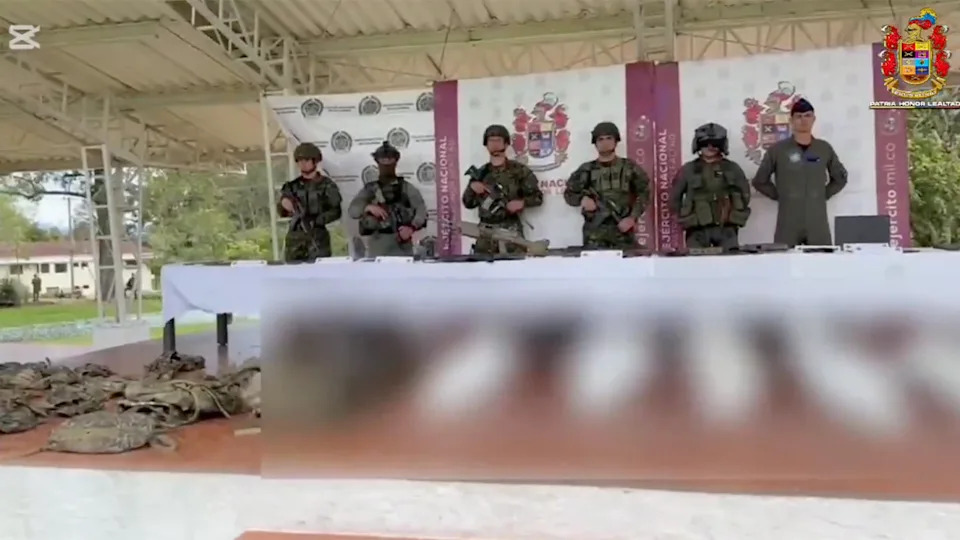
Officials said the suspects were accused of killing 20 people and injuring dozens more in an April terror attack.
"We will continue to act decisively against those who target civilians and destabilize communities," Gen. López said in the military release.
Accountability and Context
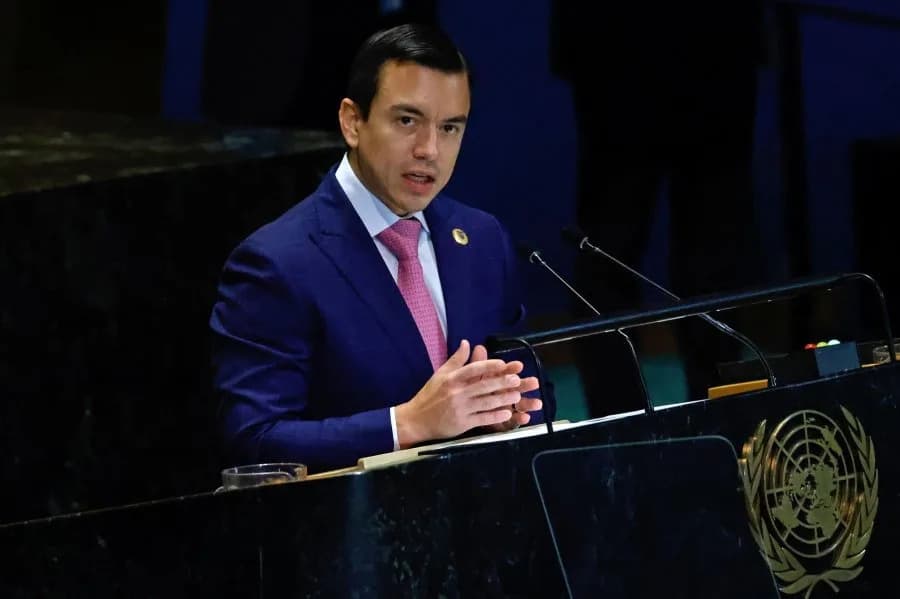
Authorities have pointed to dissident FARC factions—specifically the Jaime Martínez faction and networks linked to Iván Mordisco—as responsible for the attack. The U.N. High Commissioner for Human Rights has urged Colombian authorities to guarantee justice for the victims and ensure proper investigations.
Southwestern Colombia has increasingly become a battleground for illegal armed groups competing for control over coca cultivation zones and key drug-trafficking corridors that lead toward Central America and Europe. The Associated Press contributed to this report.
Help us improve.