A senior Israeli Air Force officer said Hezbollah is using drones to try to impede IDF ground advances in southern Lebanon. The officer described an IDF campaign focused on hunting drone operators, deploying sensors and issuing warnings to troops. He attributed faster intelligence collection to civilian evacuations and estimated daily Hezbollah fatalities at 30–70, a figure presented as an IDF assessment. The Air Force said it is coordinating special drone teams and strikes across the drone value chain.
Hezbollah Using Drones To Slow IDF Advances, Senior Air Force Officer Says
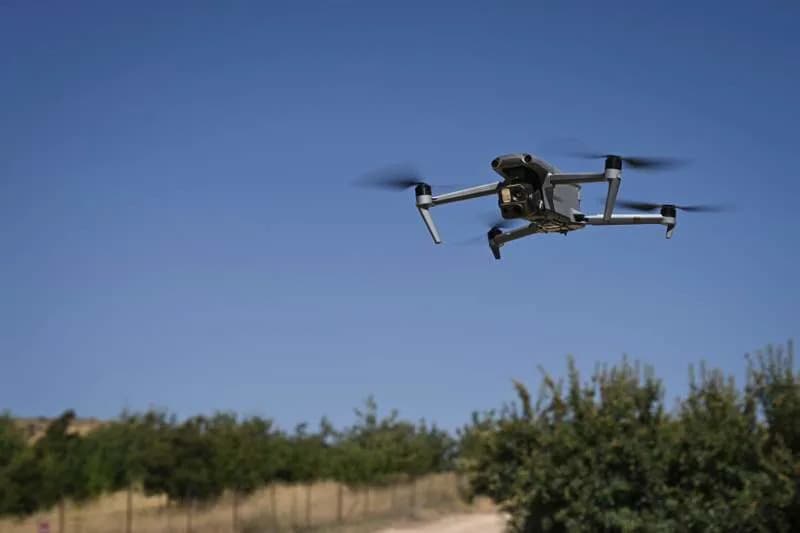
An IDF drone during a training exercise near the Syrian border, northern Golan Heights, June 26, 2025; illustrative. (photo credit: MICHAEL GILADI/FLASH90)
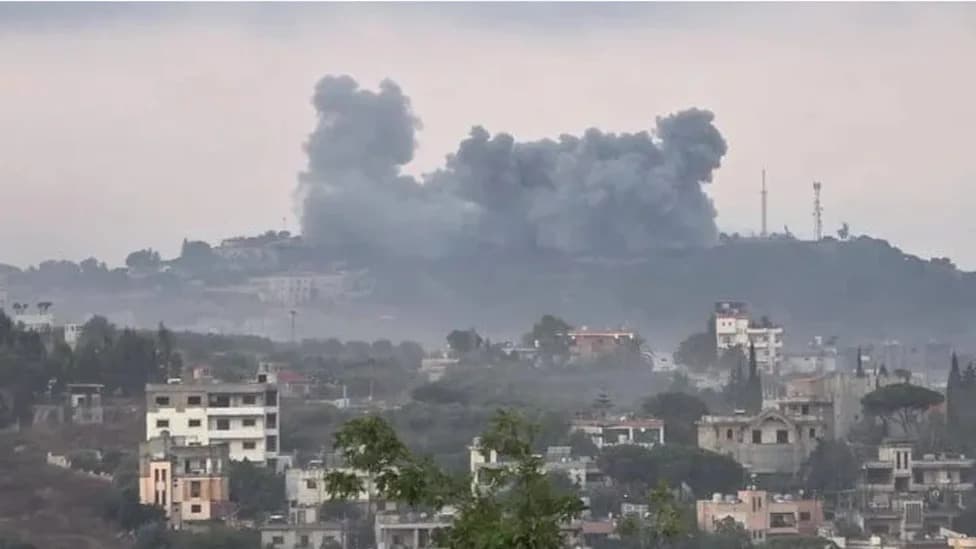
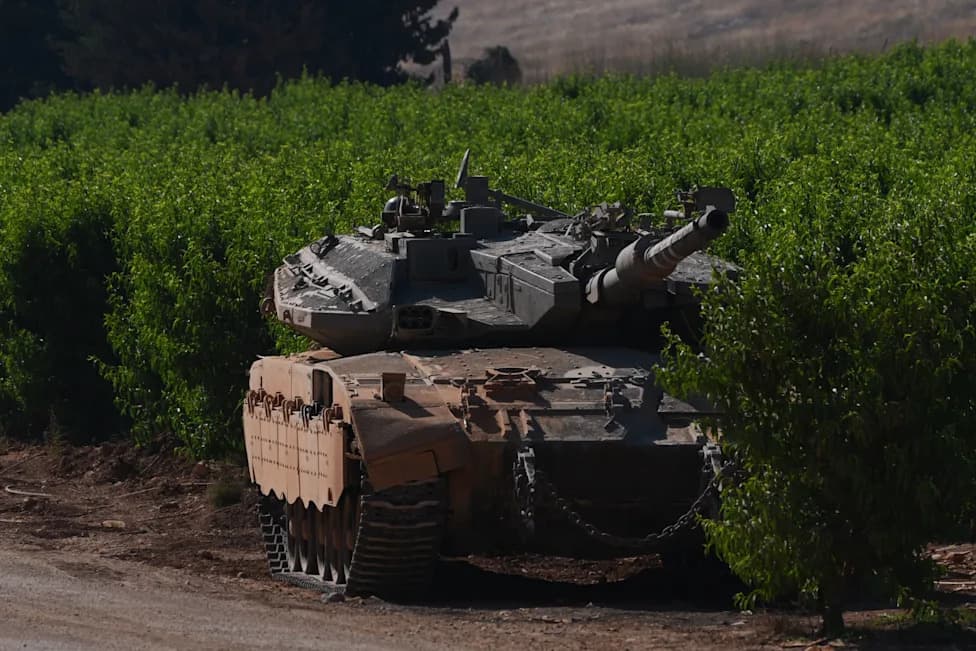
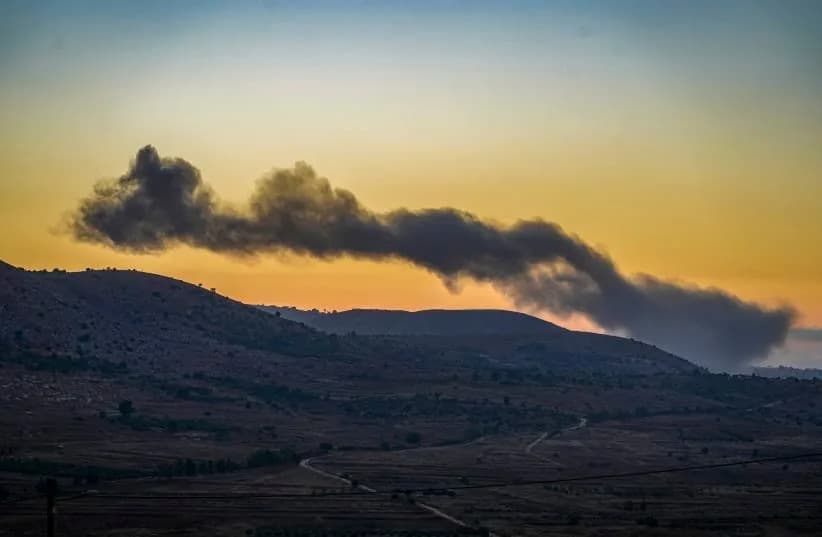
A senior Israeli Air Force officer told reporters that Hezbollah is increasingly relying on unmanned aerial vehicles (UAVs) to try to blunt Israeli Defence Forces (IDF) ground operations in southern Lebanon. The officer described a coordinated IDF response focused on locating and neutralizing drone operators and improving detection for frontline troops.
"The forces understand that the only way for us to succeed is to hunt the drone operators and kill them," the officer said, emphasizing that stopping the people controlling the drones is central to the IDF’s countermeasures.
The officer argued that a key tactical advantage in southern Lebanon is the large-scale evacuation of civilians, which, he said, simplifies intelligence gathering and movement for Israeli units compared with operations in the Gaza Strip.
"If I need to compare the situation to Gaza, where there is a very large level of complexity with collateral damage and harm to noninvolved people, that almost does not exist today in southern Lebanon. The men are evacuated. The moment you issue evacuation notices, people leave," he said, citing examples such as the Dahiyeh district.
According to the officer, once evacuations are complete, intelligence collection and rapid closure on hostile elements can proceed much faster. He also described operational patterns he said are visible on the ground: Hezbollah fighters often withdraw before direct contact, and field commanders who attempt to move away have sometimes been struck before they can escape.
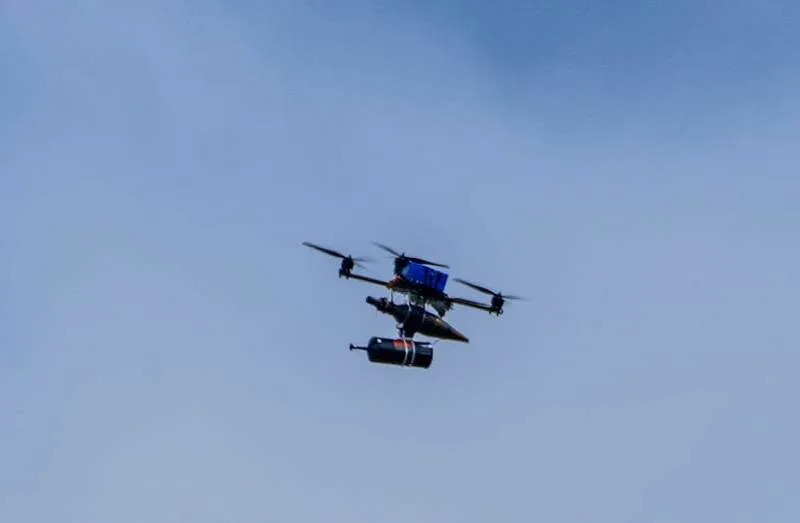
An explosive drone launched by Hezbollah is seen near the Israeli border with Lebanon during a Hezbollah attack in northern Israel, May 19, 2026. (credit: AYAL MARGOLIN/FLASH90)
The officer asserted that Hezbollah morale in southern Lebanon is low, saying that operatives are "not eager to stand and fight" and frequently fall back as IDF units advance. He added that Hezbollah has attempted aggressive actions against IDF soldiers, including using drones to target personnel from ranges of about 6–8 km.
On battlefield losses, the officer estimated that Hezbollah fatalities in the south range between 30 and 70 per day. This figure was presented as an IDF assessment and framed as a consequence of the tempo at which Israeli forces close with opposing positions.
Describing the counter-drone effort, the officer outlined a structured approach: "Each area is divided into a command space, a division space, and the General Staff space." The Air Force, he said, is responsible for the northernmost sector and has dedicated teams managing drone intelligence, analysis and coordination with ground brigades.
He said sensors and warning systems have been deployed to detect small UAVs – sometimes as small as a bird – and that alerts are issued to troops so they can take cover or otherwise mitigate risk. "We are focusing our efforts. We have special teams that manage the information on the subject, special drone teams, and joint work with the brigades on the ground," he said.
The officer added that strikes are being directed at multiple points along the drone value chain, from operators to launch sites, and that the Air Force’s wide-area operations give it an advantage in coordinating those actions. "We have very nice successes. We are really pouncing on the drone issue," he concluded.
Note: All operational claims and casualty figures are attributed to the senior Israeli Air Force officer and reflect IDF assessments reported to the press.
Help us improve.