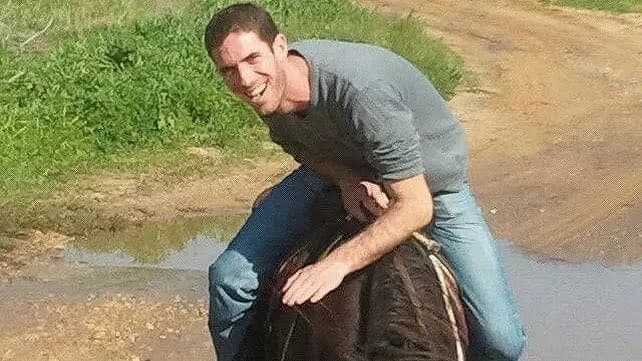
Capt. Shahar Gamla, 23, died after being critically wounded by an explosive drone in Lebanon. With his family's authorization, multiple organ donations were carried out on Sunday, coordinated by the National Transplant Center. His heart, lungs, liver (and a liver lobe for a child) and kidneys were transplanted to six recipients; corneas remain pending and his skin was donated to the National Skin Bank. Gamla's mother described the donations as a way for him to live on in others.
IDF Captain Killed in Lebanon Donates Organs, Saving Six Patients
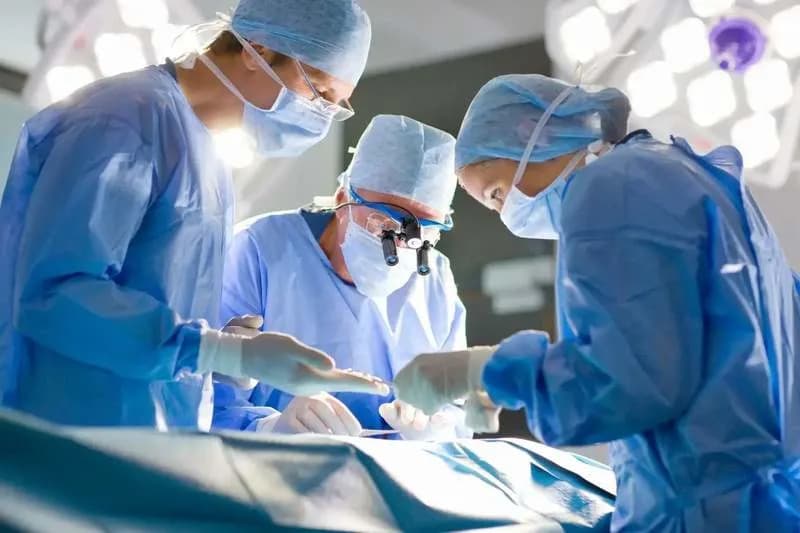
Medical team performing surgery (photo credit: SHUTTERSTOCK)
Capt. Shahar Gamla, 23, who was critically wounded by an explosive drone in Lebanon, died of his injuries at Rambam Hospital in Haifa, the Israeli military said. After his death was confirmed, his family requested that his organs be donated to help patients awaiting transplants.
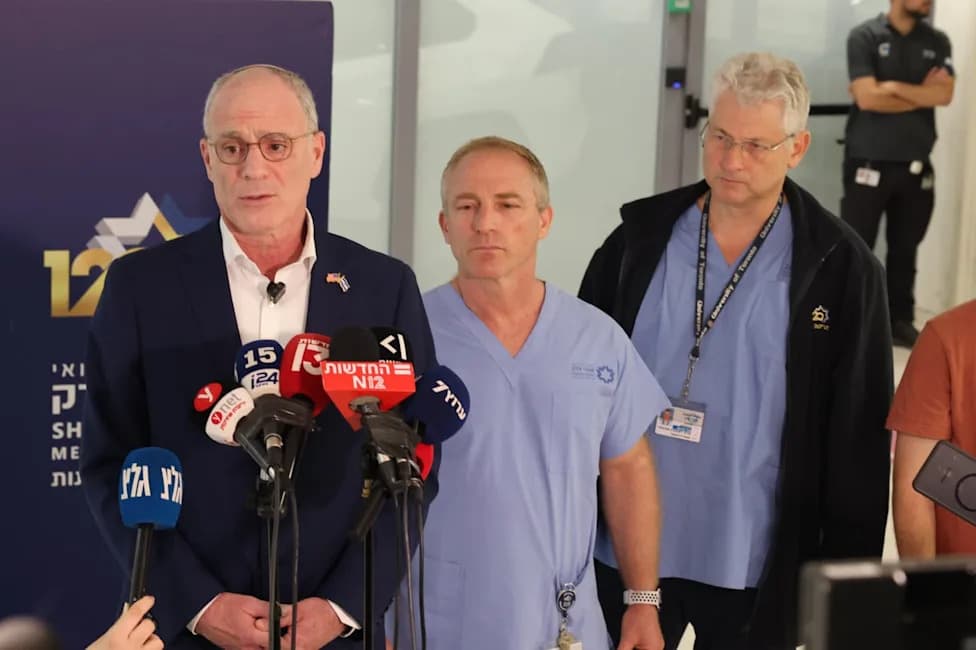
According to the National Transplant Center, multiple transplant operations were performed on Sunday at several hospitals. Gamla's heart was transplanted into a 54-year-old man at Rabin Medical Center–Beilinson Campus in Petah Tikva, and his lungs were transplanted into a 47-year-old man at the same hospital.
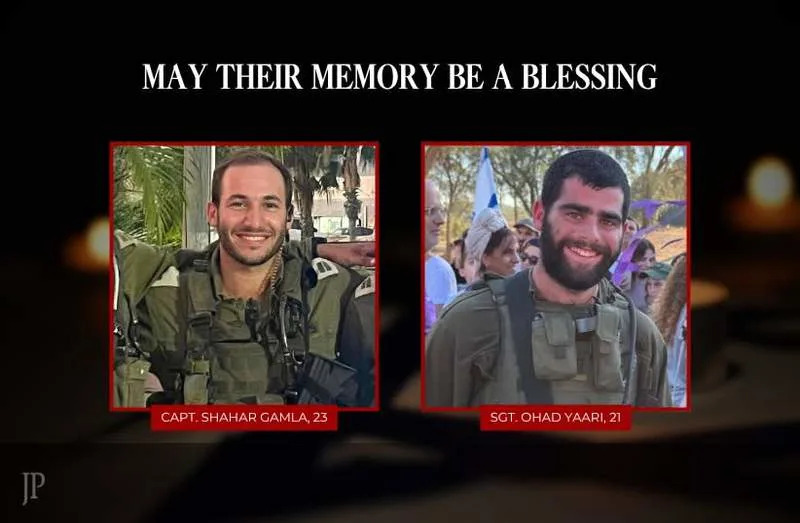
Capt. Shahar Gamla, 23, and Sgt. Ohad Yaari, 21 (credit: IDF SPOKESPERSON'S UNIT)
His liver was transplanted into a 69-year-old man at Ichilov Hospital in Tel Aviv, and a lobe of his liver was used for a 7-year-old girl at Schneider Children's Medical Center. Gamla's kidneys were transplanted into a 37-year-old man and a 72-year-old woman at Beilinson.
Gamla's corneas have not yet been transplanted. His skin was donated to the National Skin Bank, which supplies tissue to treat severe burns and other serious skin injuries; post-mortem skin donation provides temporary or therapeutic coverage for extensive wounds while patients recover.
Leah, Shahar's mother, said: "There is nothing greater than organ donation; it lets Shahar live on in other people. With joy and great love."
Medical teams and the National Transplant Center coordinated the procedures to maximize the life‑saving potential of each donation. The family's decision turned a tragic loss into multiple chances for recovery and improved quality of life for recipients of the organs and tissues.
Help us improve.