New York's legislature approved three bills that pause large data‑center permits, outlaw algorithmic "surveillance pricing," and create a new civil protection order for victims of digital harassment. The data‑center law places a one‑year moratorium on facilities needing 20+ MW, mandates environmental and community impact studies, and requires utilities to create a separate billing category for large users. The One Fair Price Act empowers the attorney general to enforce bans on price discrimination using personal data, and the CREEP Act expands civil orders for digital stalking victims. Several major bills on plastics, rent stabilization and ticketing reforms stalled before floor votes.
New York Imposes One-Year Data‑Center Moratorium, Bans Algorithmic Price Discrimination and Expands Digital‑Stalking Protections
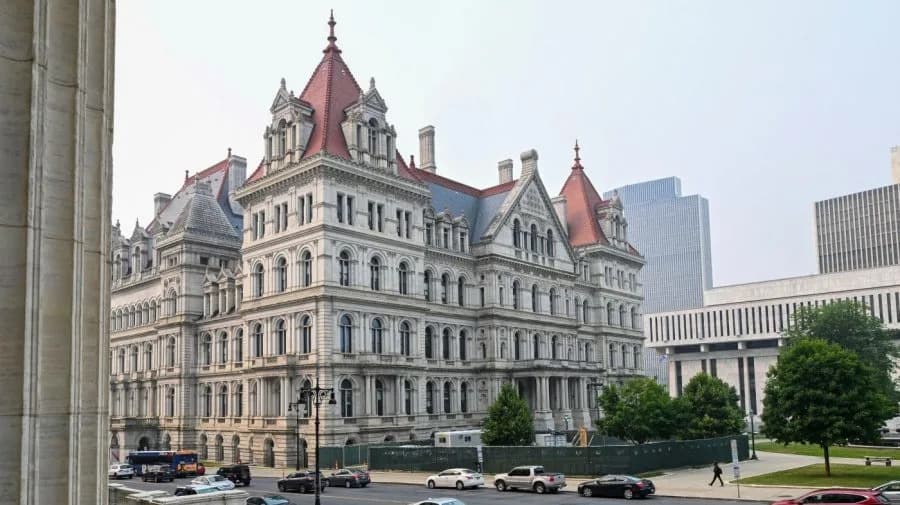
New York passes data center moratorium and consumer protections
ALBANY, N.Y. — As the New York State Legislature closed the 2026 session, lawmakers approved three high-profile measures on technology, consumer protection and digital safety while shelving several contentious bills on environment, housing and live‑event reform.
Overview
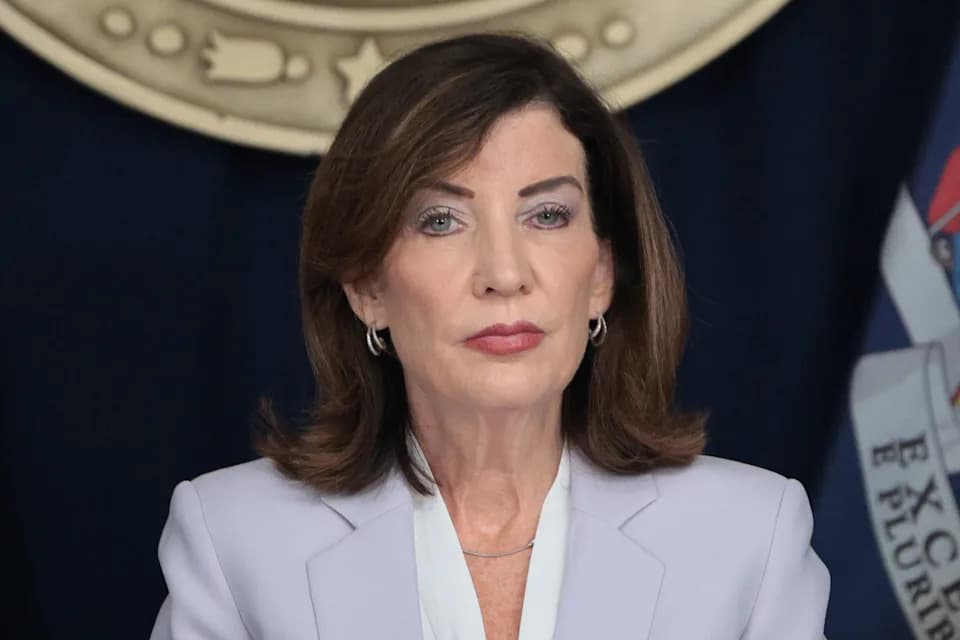
The three bills that cleared both chambers and now await Gov. Kathy Hochul's signature are: the Responsible Data Center Development Act (S10642/A11560), the One Fair Price Act (S8623B/A9349B), and the Ceasing Repeated and Extremely Egregious Predatory Behavior Act or CREEP Act (S3394A/A3226A). Collectively, they pause large data‑center development, ban so‑called "surveillance pricing," and create a new civil protection order for victims of digital harassment.
Data‑Center Moratorium and New Standards
The Responsible Data Center Development Act defines a data center as any facility with a peak electrical demand of at least 1 megawatt used for computing, web hosting, streaming or data processing. It places a one‑year moratorium on new permits for data centers requiring 20 megawatts or more while directing the Department of Environmental Conservation (DEC) to study environmental and community impacts.
Sen. Kristen Gonzalez, who sponsored the moratorium in the Senate, said there are 28 projects on the state grid waitlist that would add an estimated 9,682 megawatts to New York's aging power system. The law requires utilities to establish a separate billing category for 20+ MW facilities so those corporations help pay for necessary grid or water infrastructure upgrades rather than shifting costs to residential ratepayers.
For smaller but still significant sites—those with peak demand above 5 megawatts—the bill adds labor and sourcing standards: construction must use iron and steel manufactured in the U.S., projects must transition to renewable energy by 2040, and contractors must pay prevailing (union) wages.
One Fair Price Act: Banning Surveillance Pricing
The One Fair Price Act outlaws algorithmic pricing that uses consumers' personal data (location, income, browsing history, household size, etc.) to charge different customers different prices for the same product. Enforcement would be handled by the state attorney general, with civil penalties of up to $5,000 for a first violation and up to $20,000 for repeat violations. Lawmakers removed a private right of action—which would have allowed consumers to sue directly—a change criticized by some consumer advocates as weakening enforcement.
Consumer Reports supported the bill, citing research that algorithmic pricing experiments could produce price differences of up to 23% on some items and potentially cost families more than $1,200 annually. The law preserves standard, clearly disclosed loyalty and rewards programs that apply uniformly to qualifying customers.
CREEP Act: Civil Orders For Digital Harassment
The CREEP Act creates a new civil order of protection specifically for victims of repeated or extreme predatory behavior, including online harassment, unwanted contact and threats, expanding protections beyond family or intimate‑partner contexts. Sponsors say the measure will allow courts to act more quickly to protect victims without necessarily requiring an arrest.
Bills That Failed To Advance
Several ambitious bills did not reach floor votes before the session ended. Notable failures include:
- The Packaging Reduction and Recycling Infrastructure Act (PRRIA, S1464A/A1749A), which aimed to cut single‑use corporate packaging by 30% over 12 years and ban certain toxic chemicals in packaging.
- The Rent Emergency Stabilization for Tenants Act (REST, S4659C/A4877C), which would have allowed local rent stabilization for many 4‑ and 5‑unit buildings and let municipalities declare housing emergencies using public data instead of expensive vacancy studies.
- Comprehensive ticketing reforms (S8221B/A8659) that sought to cap service fees and increase disclosure—lawmakers instead approved only a one‑year extension of current ticketing rules (S10640/A11558).
Reactions And Next Steps
Advocates for environmental justice and consumer protection praised the three passed bills, while business groups and some lawmakers warned of unintended consequences, higher costs or regulatory complexity. The Governor's signature will determine whether these measures become law. Meanwhile, local action continues in some areas—22 upstate municipalities have adopted local "Good Cause Eviction" protections despite the collapse of the statewide REST measure.
“Technology should improve people’s lives, not drive up our energy bills or exhaust our natural resources and increase pollution,” Sen. Kristen Gonzalez said in support of the moratorium.
Copyright 2026 Nexstar Media, Inc. All rights reserved.
Help us improve.