USCIS announced a rule requiring many green card applicants to leave the United States and complete their visa processing from their home countries, with narrow exemptions for "extraordinary circumstances." The change could force applicants to leave jobs and families during processing, and about 1.4 million people obtained lawful permanent residence in FY2024. Legal challenges are widely expected, and the rule is part of broader efforts to tighten both illegal and certain legal immigration pathways.
USCIS Rule Forces Many Green Card Applicants To Leave U.S. To Apply — Could Disrupt Hundreds Of Thousands
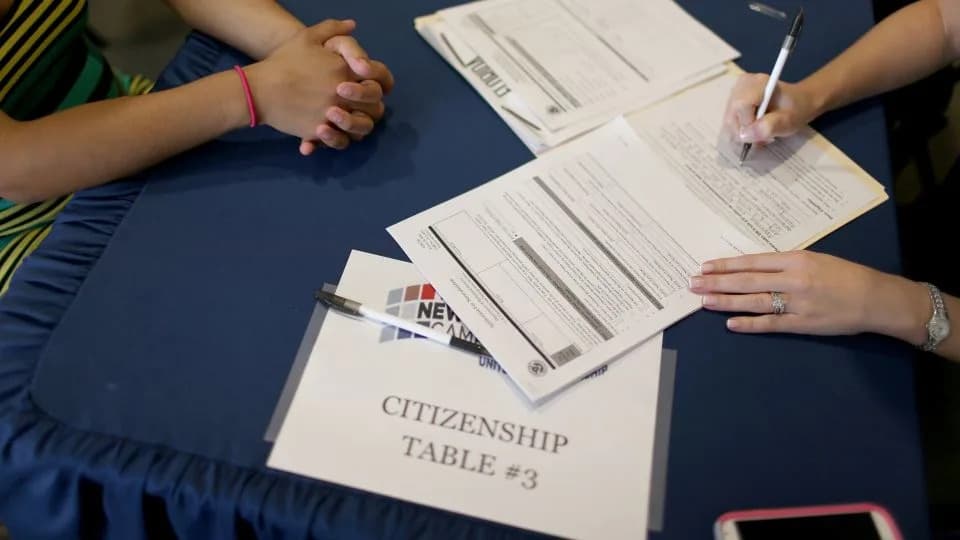
This 2014 photo shows a person from Nicaragua receiving assistance in applying for United States citizenship in Miami. - Joe Raedle/Getty Images
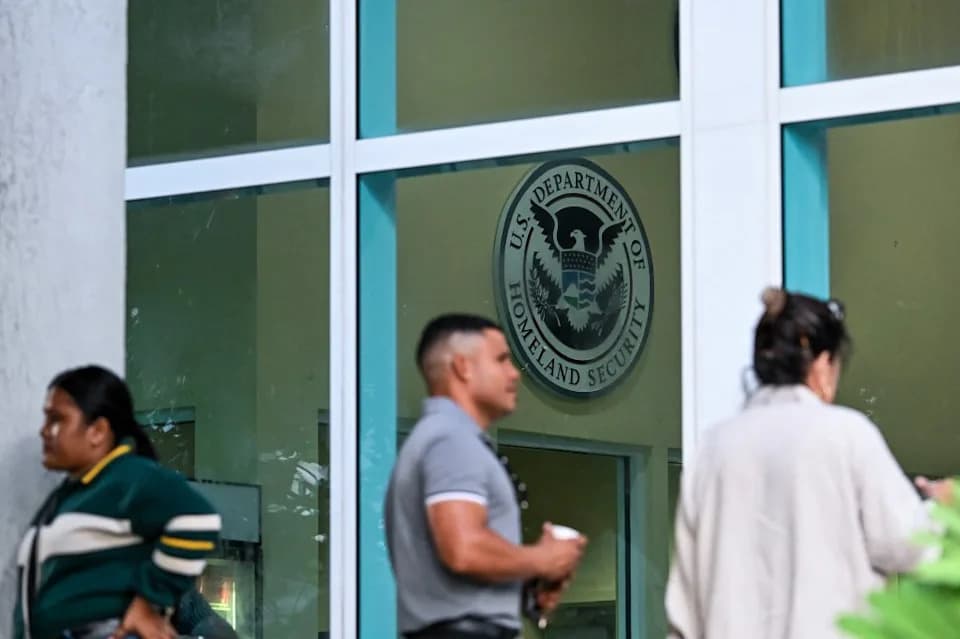
The Biden-era successor? No — the Trump administration has announced a new U.S. Citizenship and Immigration Services (USCIS) rule that will require many people seeking lawful permanent residence to leave the United States and complete their green card visa applications from their home countries. Officials say narrow exemptions will be available only for "extraordinary circumstances."
"When aliens apply from their home country, it reduces the need to find and remove those who decide to slip into the shadows and remain in the US illegally after being denied residency," USCIS spokesperson Zach Kahler said in a statement accompanying the rule.
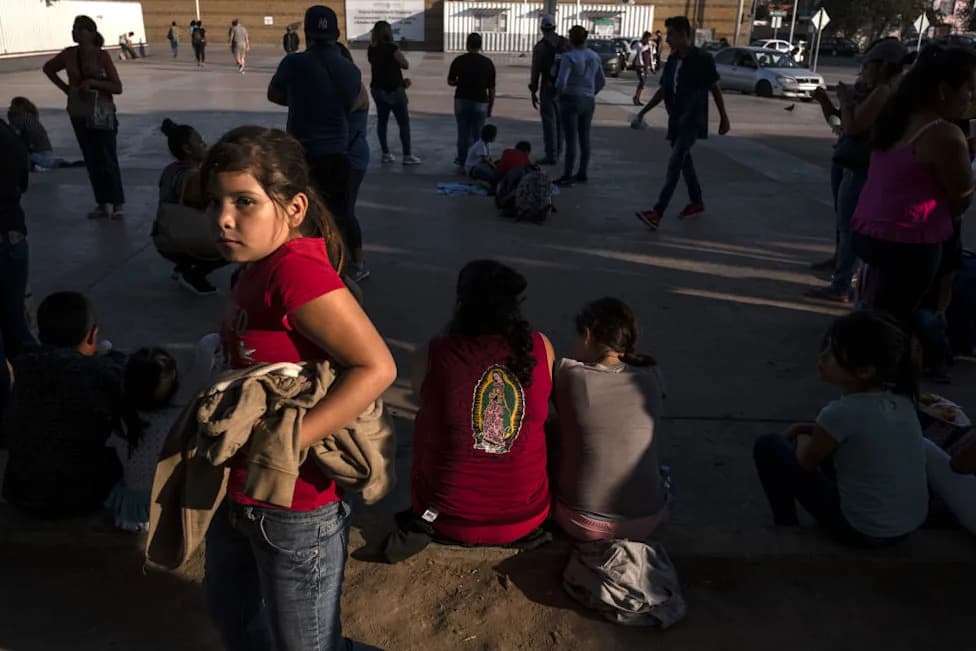
What the rule means: Applicants who previously could adjust status inside the U.S. may now be required to depart and consular-process abroad. For many, that could mean leaving jobs, separating from family members or pausing community ties while consular processing proceeds.
Practical and legal consequences
Green card processing is already lengthy and often complex; adding a requirement to apply from abroad could extend disruptions and increase uncertainty. Federal data show about 1.4 million people obtained lawful permanent residence in fiscal year 2024, indicating the scale of people who could be affected directly or indirectly by policy changes to application procedures.
Immigration advocates and legal experts expect the rule to face immediate legal challenges, arguing it could exceed statutory authority, disrupt settled applicants, or raise due-process concerns. Courts will likely be asked to weigh the administration's authority to change longstanding procedures against applicants' reliance interests.
Policy Context
The change comes as part of a broader White House push to tighten both illegal and certain legal immigration pathways. In recent months and years, the administration has taken multiple steps to limit migration flows, including efforts to reduce asylum claims, end Temporary Protected Status (TPS) for several countries, restrict work and student visas, and sharply curtail refugee admissions — the administration has cited narrow exceptions in some cases.
After a 2025 shooting that killed two National Guard soldiers in Washington, D.C., officials said they would reexamine green cards issued to people from 19 countries identified as "of concern." Officials later noted that the accused shooter, an Afghan national, had applied for asylum in 2021 — a different process than green card applications — and that asylum was granted in 2025.
What’s next
Expect litigation and further administrative guidance. Courts may issue injunctions or require USCIS to modify or delay implementation while challenges proceed. In the short term, affected applicants should consult experienced immigration counsel to understand whether an "extraordinary circumstances" exemption might apply to their case and how to protect work authorization, family unity and other legal rights.
Bottom line: The rule shifts more of the green card process overseas, creating potential hardship and legal battles for applicants and altering the landscape of U.S. immigration policy.
Help us improve.