NASA astronaut Chris Williams photographed a bright fireball from the Cupola module aboard the International Space Station while waiting for an uncrewed resupply ship to dock. The object, seen over West Africa, fragmented as it passed through the upper atmosphere. NASA says the streak could be from the resupply rocket or other orbital debris; the agency estimated about 9,000 metric tons of debris were in orbit in 2022. Experts warn that with more than 10,000 satellites and many uncontrolled fragments, the risk of cascading collisions is growing.
NASA Astronaut Captures Spectacular Fireball From ISS Cupola Over West Africa
The International Space Station has orbited Earth for nearly three decades, but it gained a dramatically improved view in 2010 with the addition of the European Space Agency’s Cupola module — a domed observation post with seven windows that has become a favorite spot for crew photography.
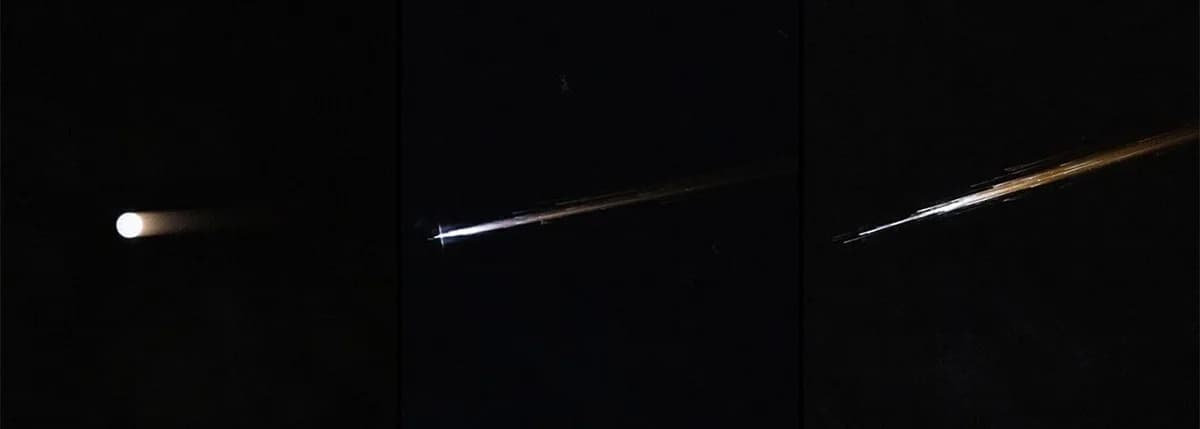
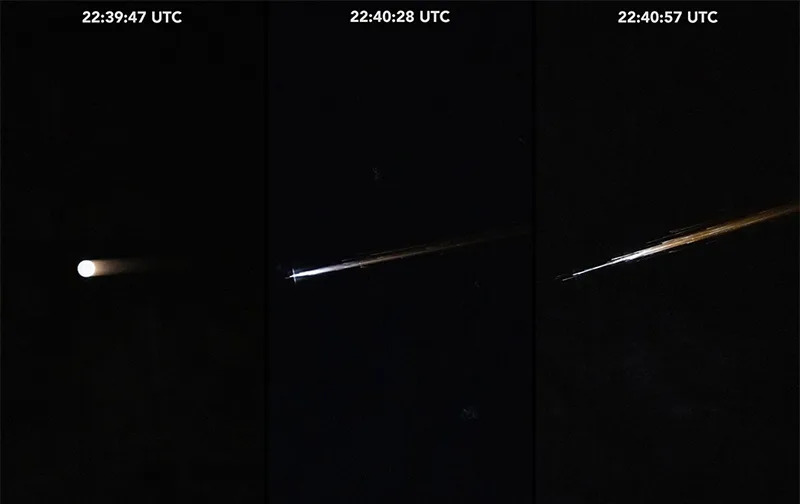
While awaiting the arrival of an uncrewed resupply vehicle last month, NASA astronaut Chris Williams used the Cupola to photograph a bright fireball streaking through the upper atmosphere and breaking apart beneath the station.
"Just as we were passing over West Africa, I saw a bright object directly below us, streaking through the upper atmosphere. I saw its tail grow and then split apart into a shower of smaller pieces," Williams wrote on Instagram.
NASA says the blaze could have come from several sources — for example, a spent rocket stage from the recent resupply launch or unrelated pieces of orbital debris. In 2022 the agency estimated roughly 9,000 metric tons of debris were orbiting Earth, ranging from tiny fragments to large defunct satellites and rocket bodies.
Credit: NASA
A substantial portion of the largest debris (objects bigger than about four inches) can be traced to just a few major breakup events, including the 2007 Chinese anti-satellite missile test that destroyed a weather satellite and the 2009 accidental collision between a U.S. and a Russian satellite. Those and other breakups have created many of the hazardous fragments that now share Earth orbit.
With more than 10,000 active satellites now in orbit and many more fragments uncontrolled, scientists warn of an increased risk of cascading collisions — a scenario often called the Kessler syndrome — that could generate yet more debris and threaten future operations in space. At the same time, recordings like Williams’s highlight the striking — and sometimes beautiful — spectacle of objects reentering or fragmenting above our planet.
Lead image: NASA
Help us improve.