Strike Overview: The Long Island Rail Road strike began at 12:01 a.m. after five unions representing about 3,700 workers walked off the job, halting service for roughly 330,000 daily riders. Core Dispute: Negotiations are deadlocked over a proposed fourth-year 5% wage increase; the MTA has offered 3% annual raises for three years and says it cannot afford the additional raise. Impact: Service is suspended until further notice, with limited weekday shuttle buses planned for essential workers; state and city officials are urging nonstop talks to reach a deal.
Long Island Rail Road Strike Halts Service for About 330,000 Daily Riders as Contract Talks Stalemate
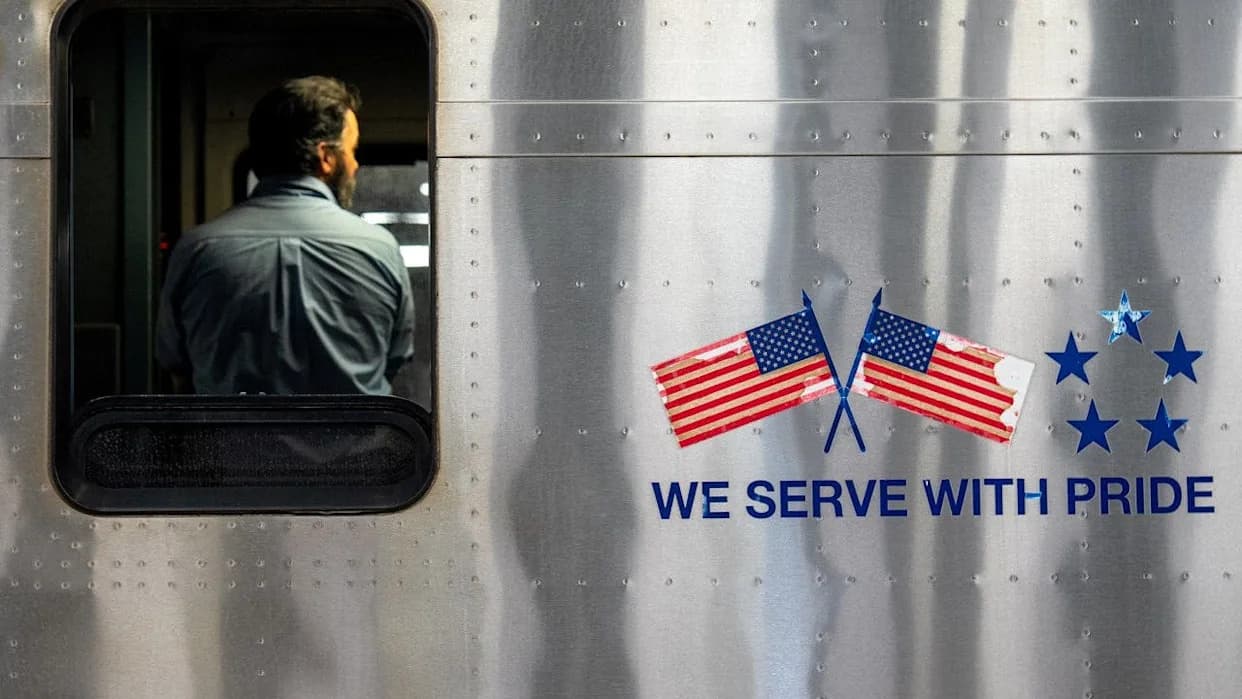
Long Island Rail Road workers go on strike, leaving 330,000 commuters without service on busiest US rail line
Workers on the Long Island Rail Road (LIRR), the nation’s largest commuter-rail line, began a strike at 12:01 a.m. Saturday, leaving an estimated 330,000 daily riders without regular rail service. Five unions representing roughly 3,700 employees — including ticket clerks, locomotive engineers, signalmen, electricians and machinists — walked off the job after negotiations stalled.
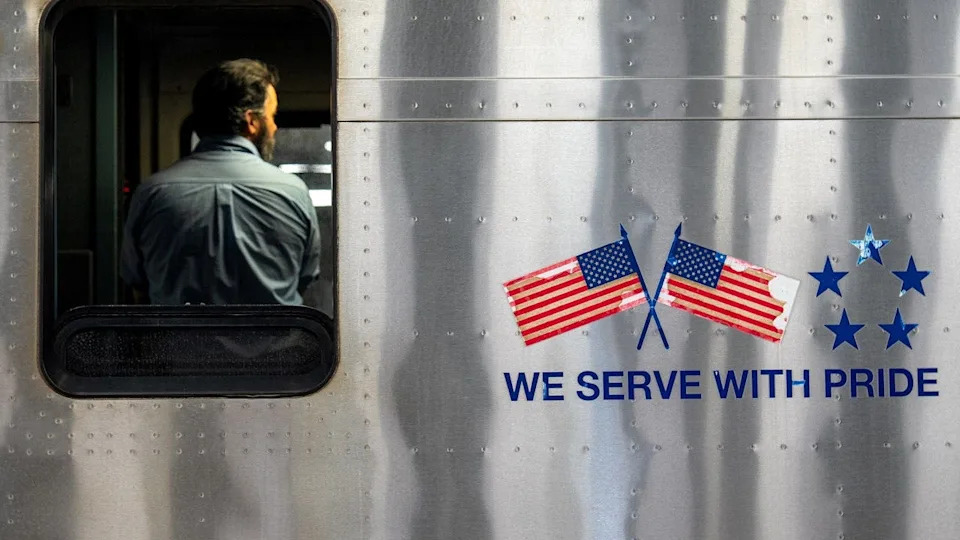
A conductor stands in a train of the Long Island Railroad (LIRR), the nations largest commuter train system, ahead of a possible strike by railroad workers in Penn Station, New York City, U.S., May 15, 2026.(Reuters)
What Happened
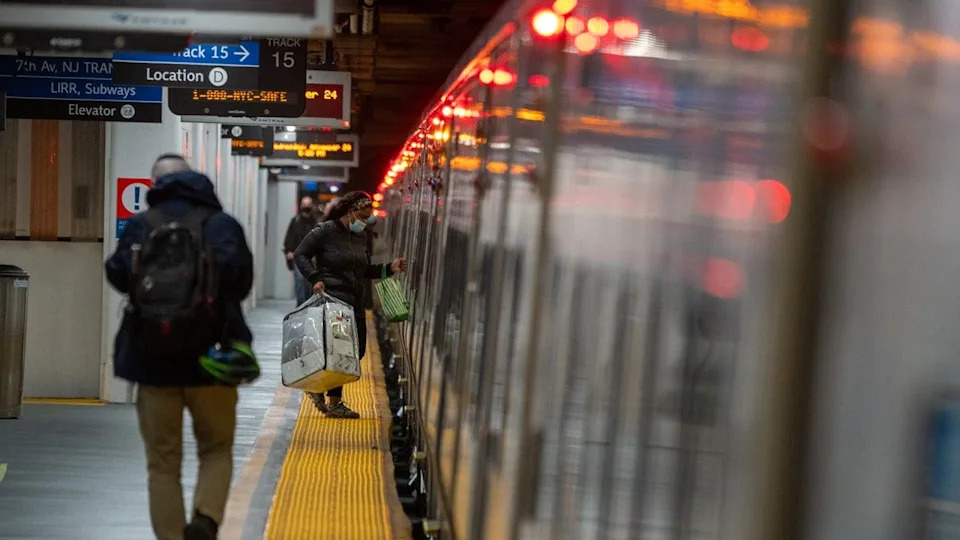
The LIRR confirmed that rail service has been suspended until further notice and urged commuters to avoid nonessential travel and, where possible, work from home. The authority said it will operate limited weekday shuttle buses during peak hours for essential workers and others who cannot telecommute.
New York Gov. Kathy Hochul called the Long Island Rail Road strike "reckless" and "unacceptable."
Why They Struck
Union leaders and Metropolitan Transportation Authority (MTA) negotiators had reached a tentative agreement that included work-rule changes and annual pay increases of 3% for each of three years. The impasse centers on a proposed fourth-year wage increase: unions are seeking a 5% raise for that year, which MTA officials say they cannot afford without risking fare increases.
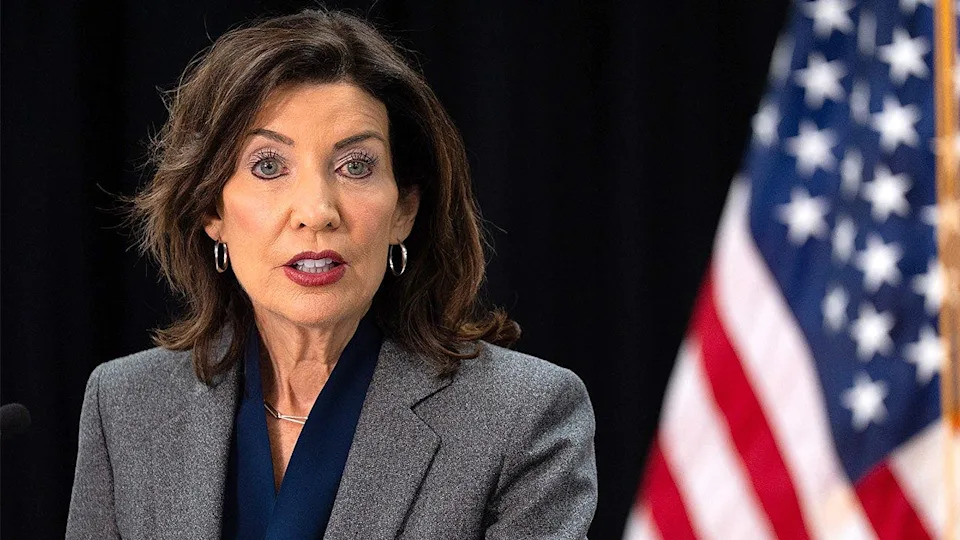
New York Gov. Kathy Hochul spoke during a news conference at the WIN NYC family shelter on March 5, 2026, in New York City.
“We’re far apart at this point,” said Kevin Sexton, national vice president of the Brotherhood of Locomotive Engineers and Trainmen. “We are truly sorry that we are in this situation.”
Impact And Official Responses
MTA Chairman Janno Lieber said the authority had offered what unions asked for in pay and suggested some union leaders may have anticipated a strike. New York Governor Kathy Hochul called the walkout "reckless" and "unacceptable," urging both sides to return to continuous bargaining to resolve the dispute. Mayor Zohran Mamdani said his office is coordinating contingency efforts and warned residents to expect heavier traffic, crowded alternative transit, and longer travel times.
The MTA warned the shutdown would cause severe congestion and delays across the region and advised commuters to plan for disruptions. As part of its contingency plan, the authority will run limited shuttle buses between selected Long Island points and subway stations in Queens during weekday peak hours.
Background
This is the fourth strike in LIRR history. Previous walkouts occurred in 1980 (two days), 1987 (11 days) and 1994 (two days). The Associated Press contributed to reporting on this developing story.
Help us improve.