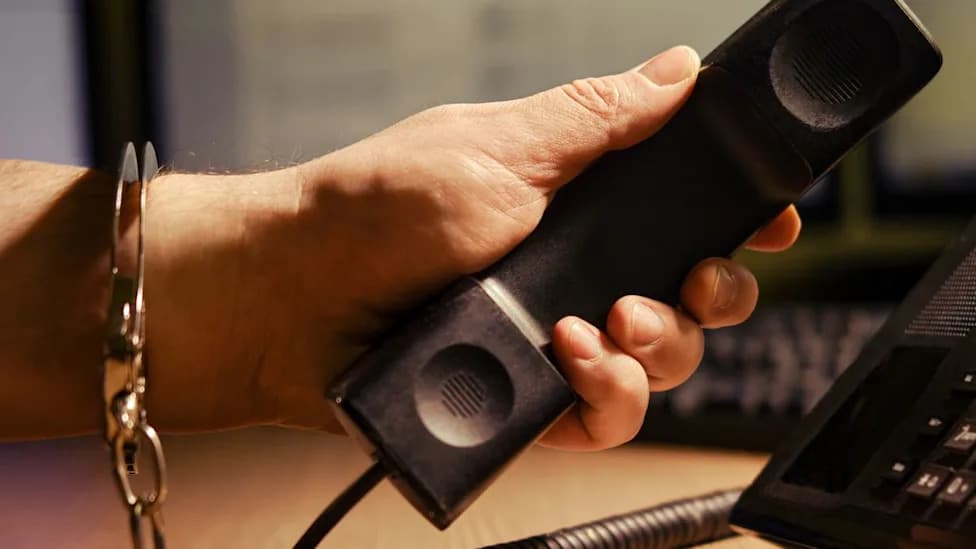
California distributed roughly 90,000 tablets to people in custody to expand communication and education, but a report says some death-row inmates have bypassed device controls to view pornography and exchange explicit images. Named inmates described video-chat workarounds and short clips used to access sexual content, while critics warn the platform can enable grooming. CDCR defends the tablets as tightly controlled educational tools; the program is tied to a Securus contract worth approximately $189 million over six years, with optional extensions up to $315 million.
Report: California Death-Row Inmates Used Taxpayer-Funded Tablets To View Pornography, Evade Controls
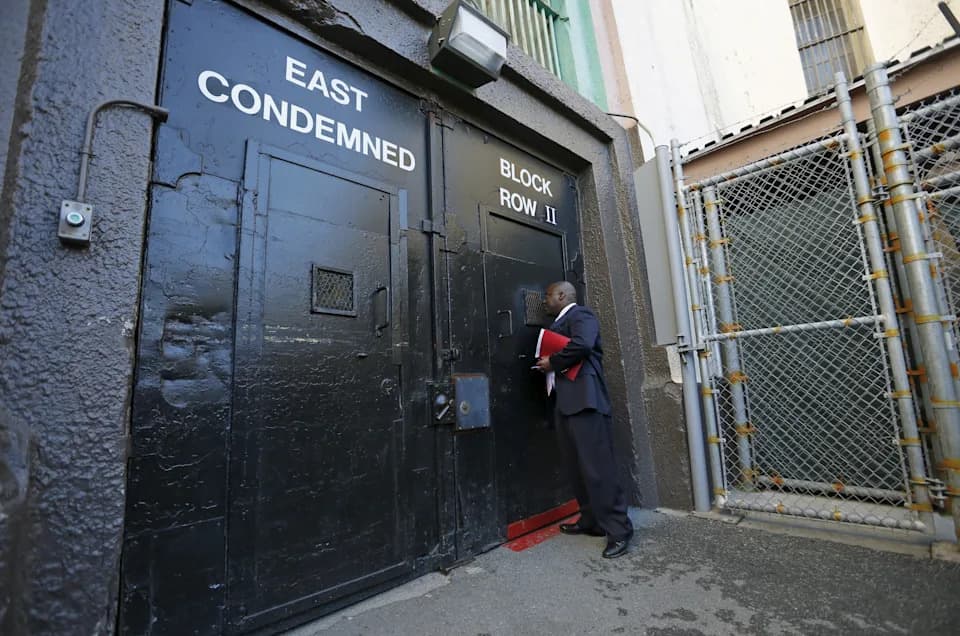
Lt. Sam Robinson, public information officer at San Quentin State Prison, knocks on the door to the East Block for condemned prisoners during a media tour of California's Death Row in San Quentin, Calif., Dec. 29, 2015.(Reuters)
A recent report says some death-row inmates in California have bypassed security safeguards on state-issued tablets to view pornography and exchange sexually explicit material, raising questions about the supervision, costs and goals of a multimillion-dollar correctional technology program.
Background: As part of an effort to expand communication and educational access, California has distributed roughly 90,000 tablets to people in custody. The devices are part of a broader rehabilitation-focused initiative—sometimes called the "California model"—inspired in part by Scandinavian approaches that emphasize reentry, reduced recidivism and staff wellness.
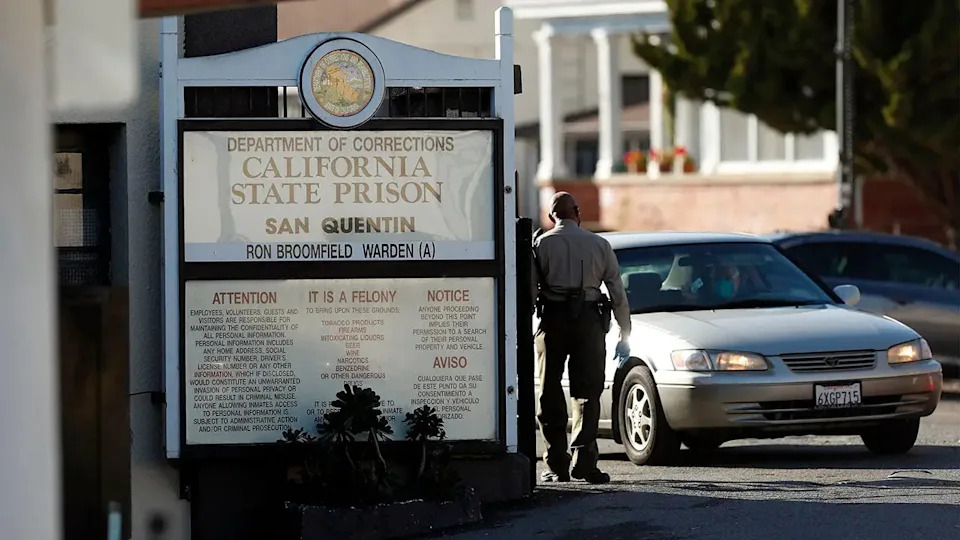
San Quentin State Prison in San Rafael, Calif. Some death row inmates in California's penal system have allegedly used taxpayer-funded tablets to watch pornography and to send explicit messages, according to reports.
Allegations of Misuse
Despite official safeguards, the California Post and other outlets report that some inmates have found ways to circumvent controls and use the tablets to view pornography, send nude images and hold sexually explicit conversations. Several convicted inmates quoted in the report described short video clips, image exchanges and video-chat workarounds as common methods for obtaining sexual content.
Accounts From Inmates
"Inmates use the tablets to send nude images and watch porn," said Robert Maury, a convicted serial rapist housed in Stockton. He told the newspaper he received topless photos via the tablet and described video-chat setups in which someone outside streams material for inmates to view.
"I watch porn and short clips of my family at the beach. We get around their bulls---," another death-row inmate, Samuel Amador, told the Post.
The report also recounts other cases in which inmates used communications to solicit explicit images or harass victims, including allegations involving a convicted child sex offender. Jamar Tucker, housed at High Desert State Prison, said he received videos of women "dancing ... in a thong," despite rules banning such material.
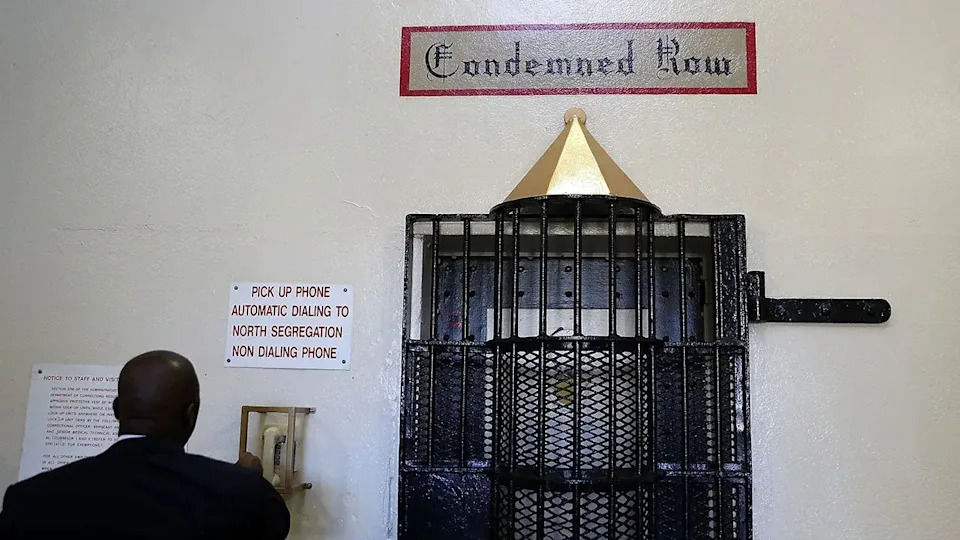
Lt. Sam Robinson calls to open a door at San Quentin State Prison's death row in San Quentin, Calif., Aug. 15, 2016. The prison is California's oldest penitentiary and houses the state's only death row for men with 700 condemned inmates.
Costs, Contracts And Complaints
The California Department of Corrections and Rehabilitation (CDCR) says tablets are provided at no upfront cost to inmates, but usage fees apply. CDCR published rates of approximately $0.05 per text message and $0.16 per minute for video calls, though some correspondents and incarcerated people report inconsistencies and higher charges. Securus Technologies holds a contract for tablet services valued at roughly $189 million over six years, which could rise to about $315 million with optional extensions.
Some incarcerated people and family members have complained about transactional costs on the devices—renting movies, renting new releases, and per-message fees—calling the prices comparable to or higher than those in the wider market.

Gov. Gavin Newsom speaks on stage during "Networth And Chill With Guest Governor Gavin Newsom" at the 2026 SXSW Conference and Festival at the Hilton Austin in Austin, Texas, on March 15, 2026.
Official Response And Defense
CDCR has defended the program, describing the tablets as "tightly controlled education tools" that provide access to religious materials, classes and reentry resources aimed at reducing crime. The agency and some victims' advocates argue that such services can support rehabilitation and improve outcomes for people leaving prison.
Critics' Concerns
Critics, including former corrections officials and some lawmakers, warn that the communication channels can create opportunities for grooming and further victimization. State Sen. Josh Becker has pushed to reduce or eliminate message fees, calling the charges unjust in an era of increasingly cheap telecommunications.
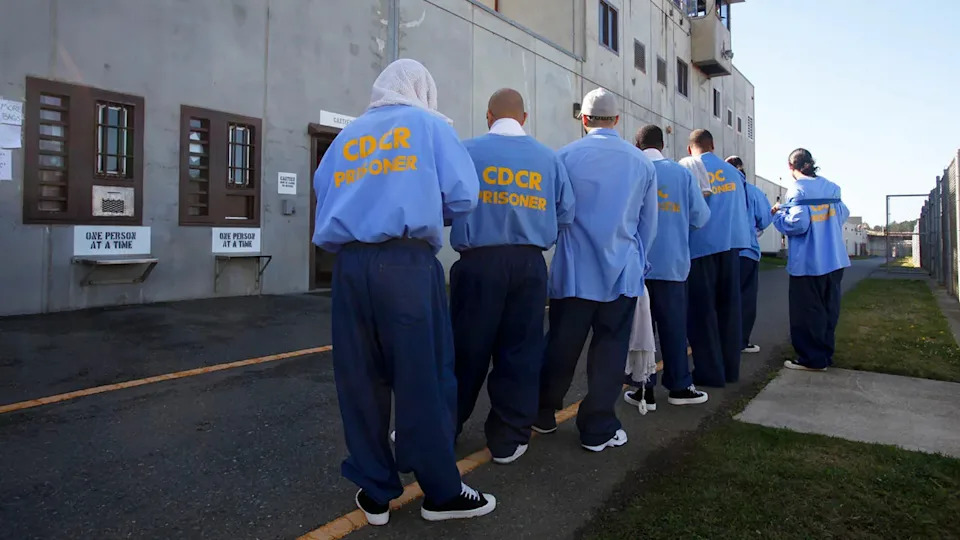
Pelican Bay State Prison inmates stand in the yard as they move from one spot to another during an exercise period in Crescent City, Calif., Oct. 13, 2012
Context
California’s tablet rollout is part of a larger policy shift emphasizing rehabilitation over punitive isolation. In March 2019, Gov. Gavin Newsom instituted a moratorium on executions. Supporters of the tablet program say it helps prepare incarcerated people for reentry; opponents say program controls must be tightened and victims’ safety prioritized.
What’s next: The revelations have prompted calls for audits, stronger technical controls, clearer pricing transparency and closer monitoring to ensure that digital access meets rehabilitative goals without enabling criminal behavior or harming victims.
Help us improve.