Tara Baker, a 23-year-old University of Georgia law student, was sexually assaulted, murdered and her apartment set on fire in January 2001. The initial investigation was hampered by a damaged and possibly contaminated crime scene, and the case stayed cold for more than 20 years. After passage of the Coleman-Baker Act in 2023, a dedicated cold-case unit re-tested biological evidence with improved DNA technology and in April 2024 linked Edrick Lamont Faust to the crime. Faust was arrested in May 2024, convicted on 12 counts at trial in 2026, and sentenced to two consecutive life terms plus 45 years.
How Advances in DNA and a New Cold‑Case Unit Finally Solved the 2001 Murder of Law Student Tara Baker
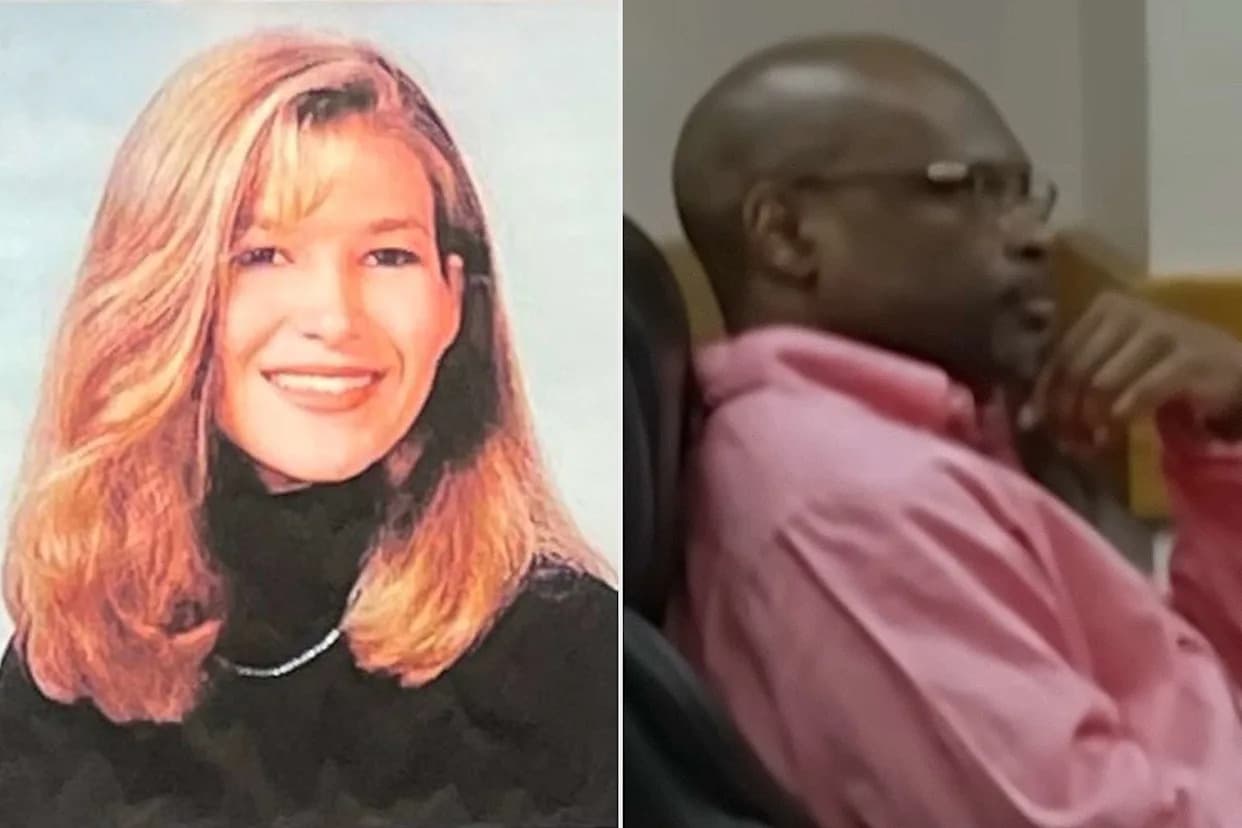
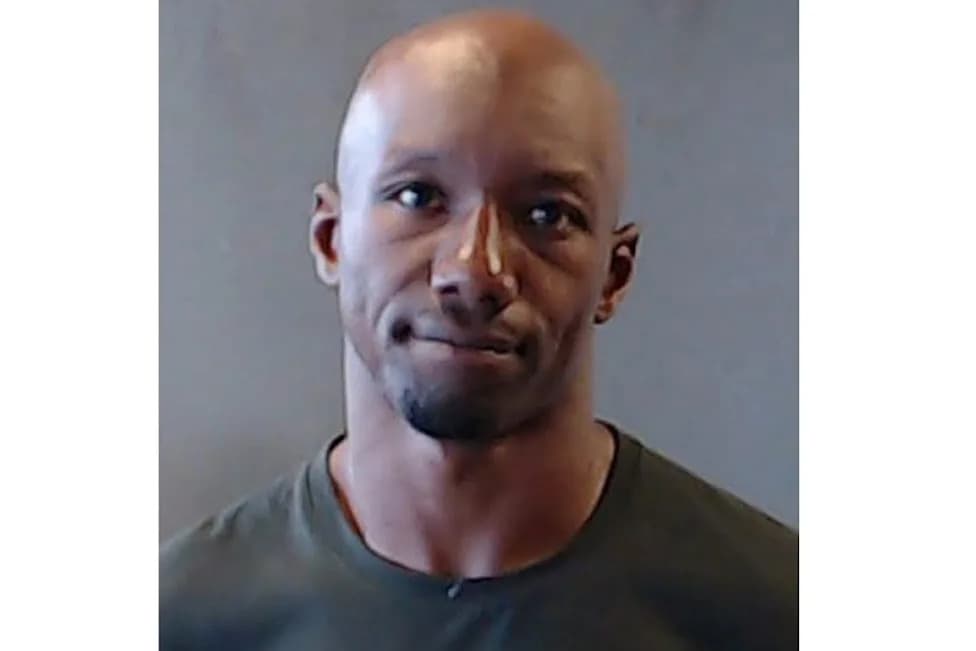
Tara Baker; Edrick Faust in court.Credit: Georgia Bureau of Investigation; Court TV
In January 2001, 23-year-old University of Georgia law student Tara Baker was found dead in her Athens apartment after a fire. The discovery shocked the campus and launched a lengthy, frustrating investigation that produced no arrests for more than two decades.
What Happened
On the morning of Jan. 19, 2001, firefighters responding to an apartment blaze discovered Baker's nude body. Investigators determined she had been sexually assaulted, strangled and stabbed before the bedroom and residence were set on fire. First responders later testified that the scene appeared to have been tampered with: a window screen was disturbed and a stove was left on, and Baker's laptop was missing.
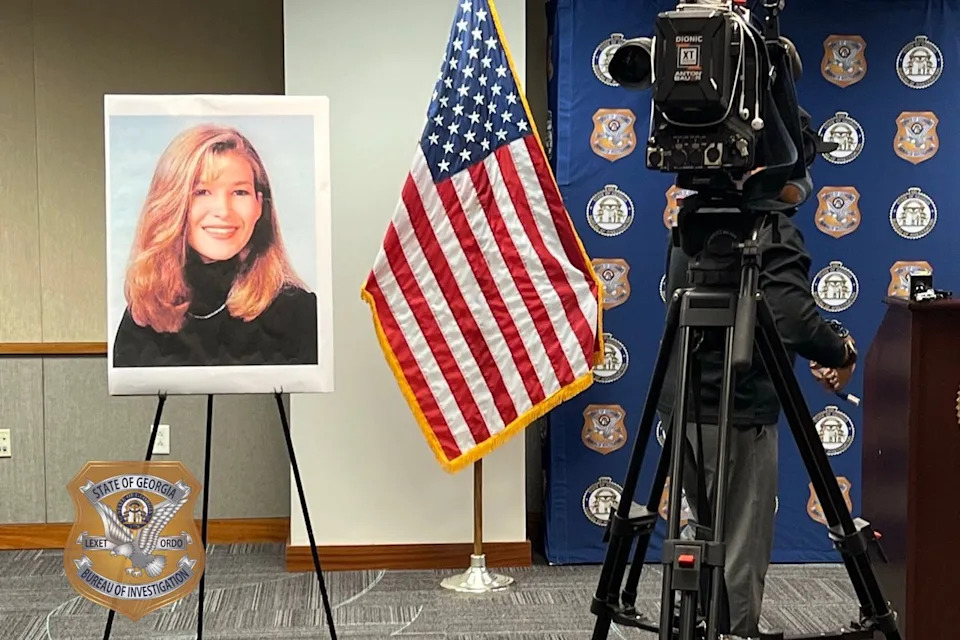
Photo of Tara Baker at news conference.Credit: Georgia Bureau of Investigation
Early Investigation and Obstacles
Authorities initially developed several leads, including a fellow law student, an attorney at the firm where Baker worked, and a man she had been dating. Her boyfriend, later identified as Chris Melton, was cleared after passing a polygraph and providing an alibi; the other leads did not result in charges at the time.
Former UGA police detective Alex Morrow and family members later said the blaze destroyed or contaminated critical physical evidence, which hampered the early investigation and left the case cold for many years.
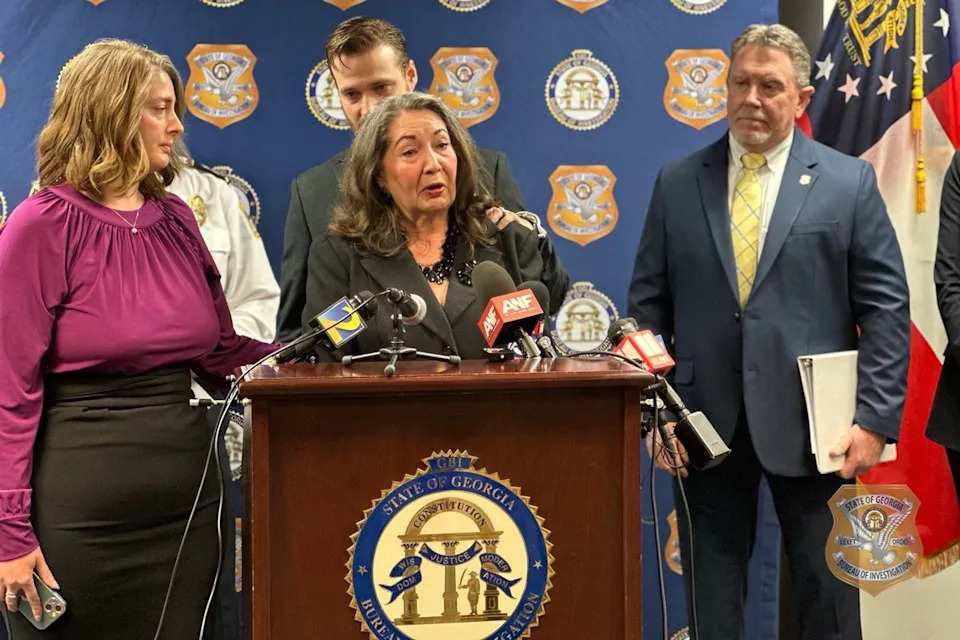
Tara Baker family member speaking at news conference.Credit: Georgia Bureau of Investigation
A Breakthrough: The Coleman-Baker Act and New DNA Technology
The turning point came after the 2023 passage of the Coleman-Baker Act, Georgia legislation that established a statewide cold-case unit and prioritized re-examination of unsolved homicides. In 2024 the unit re-tested biological evidence from Baker's sexual-assault kit using more sensitive DNA technology.
In April 2024 those tests produced a match to Edrick Lamont Faust. Authorities announced his arrest in May 2024 on multiple charges, including felony murder, aggravated assault, arson and aggravated sodomy. GBI Director Chris Hosey said investigators had found no known prior connection between Faust and Baker and that biological evidence and DNA science led to the arrest.
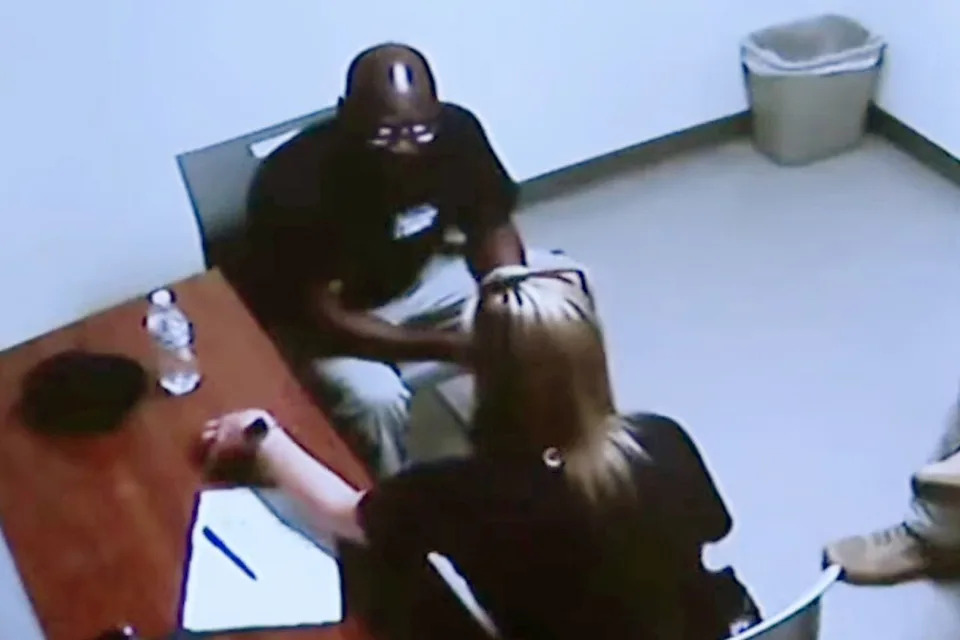
Edrick Faust police interview.Credit: 11Alive News
Trial and Sentencing
At trial in 2026 prosecutors presented DNA evidence linking Faust to biological material collected in Baker's sexual-assault kit. The defense argued there was no physical evidence placing Faust at the crime scene and sought to raise alternative theories about other suspects, but a jury convicted Faust on 12 counts related to the rape and murder.
In February 2026 Faust received two consecutive life sentences plus an additional 45 years in prison.
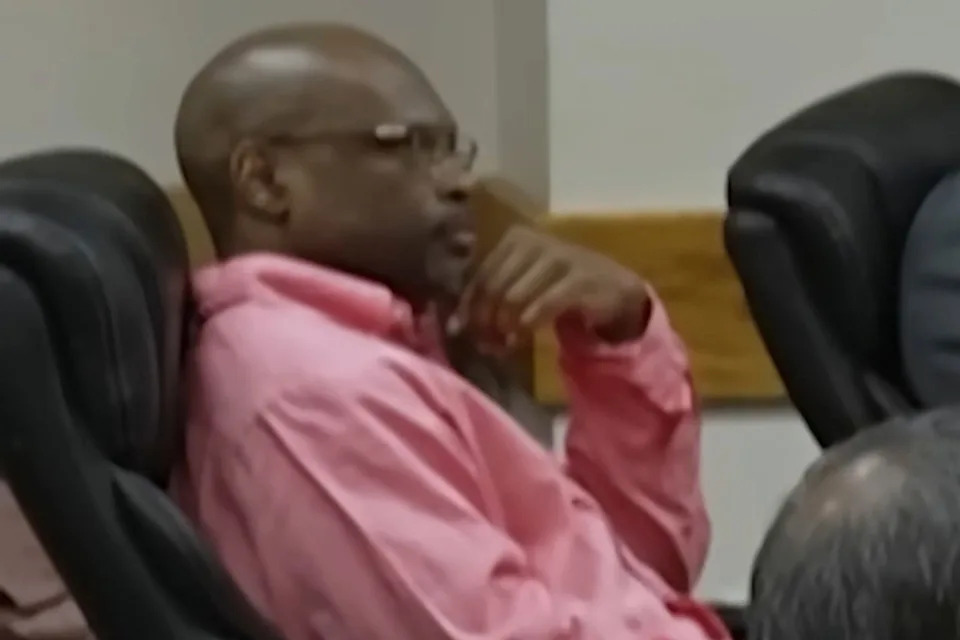
Edrick Faust in court.Credit: Court TV
Family Response: At sentencing, Baker's mother, Virginia Baker, read a statement describing the family's enduring grief and the unanswered question of why her daughter was killed: 'There are no words to fully express the horror of what this monster did to my daughter, Tara.'
Why This Case Matters
The case highlights three important developments in modern criminal justice: the role of careful evidence preservation, the impact of technological progress in DNA analysis, and the value of dedicated cold-case units. Baker's family and supporters also helped push for legislative changes that made the renewed investigation possible.
Sources: Reporting by CNN, NBC News, CBS News, The Red & Black, Fox 5 Atlanta and People.
Help us improve.