The disappearance of 24-year-old Chandra Levy reached its 25th anniversary in 2026 with the case still unsolved. Levy vanished in Washington, D.C., on May 1, 2001; remains identified as hers were found in Rock Creek Park in May 2002 and her death was ruled a homicide. Ingmar Guandique was convicted in 2010 but prosecutors dropped charges in 2016 amid questions about a key witness; he was deported in 2017. Levy’s parents continue to press for answers and urge anyone with information to come forward.
25 Years Later: Chandra Levy’s Death Still a Cold Case — Family Seeks Answers
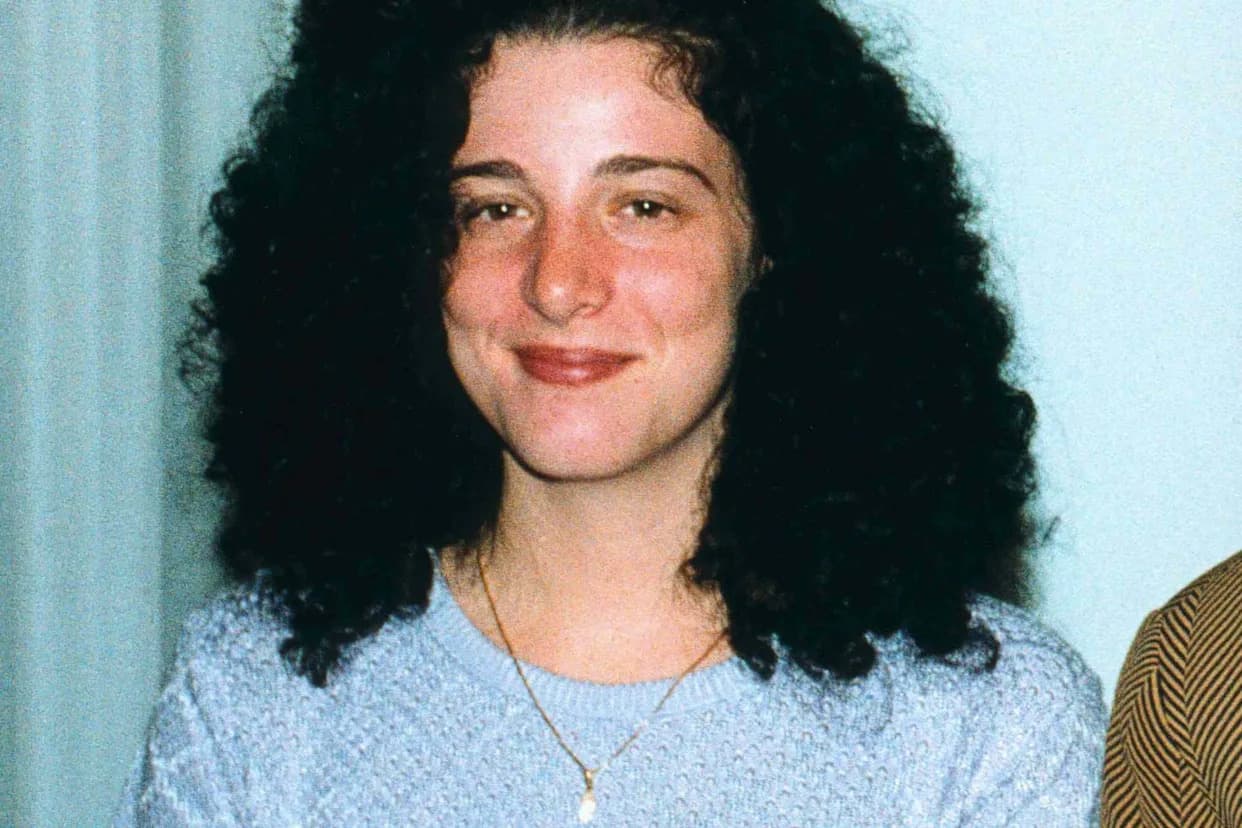
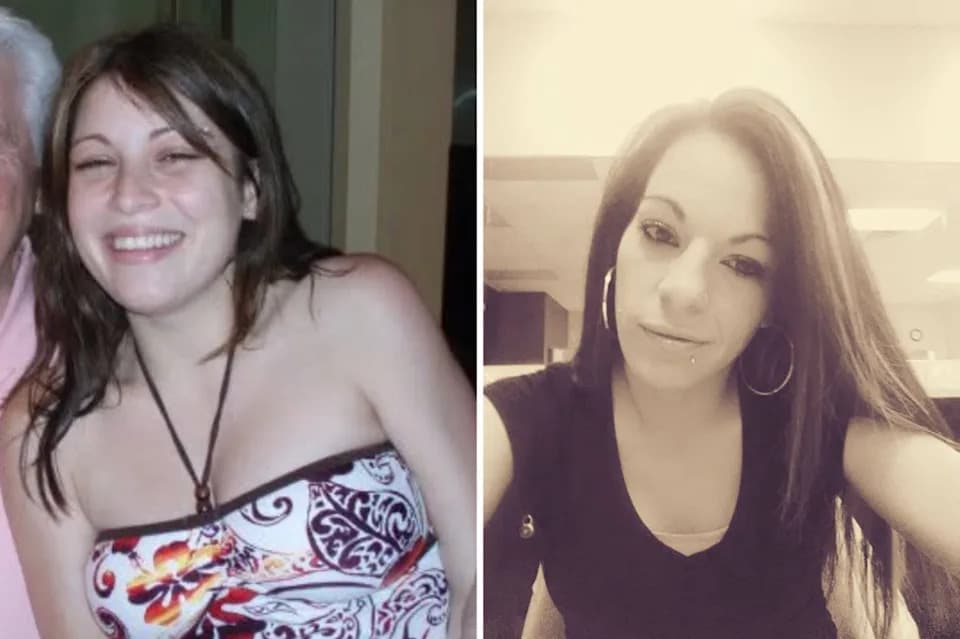
Chandra LevyCredit: Getty
The disappearance of Chandra Levy — one of the most widely followed missing-person cases of the early 2000s — reached its 25th anniversary in 2026, underscoring that key questions about her death remain unanswered.
Background
Levy, 24, a recent University of Southern California graduate working as an intern at the Federal Bureau of Prisons, vanished in Washington, D.C., on May 1, 2001, as she prepared to return to California. After an extensive search and intense national media attention, human remains recovered in Rock Creek Park in May 2002 were later identified as Levy’s. Authorities ruled her death a homicide, but investigators have not fully reconstructed the circumstances leading to her death.
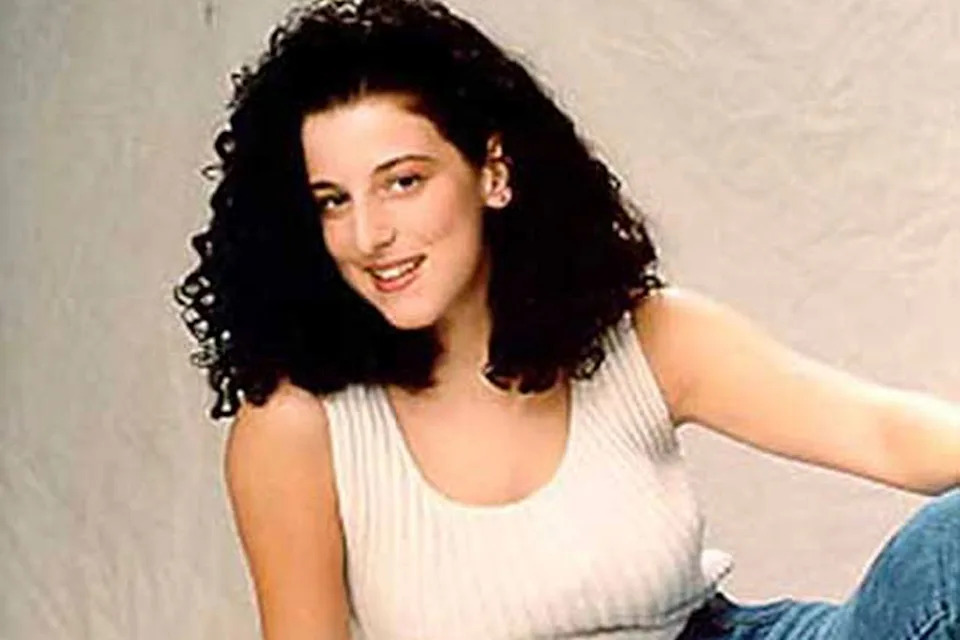
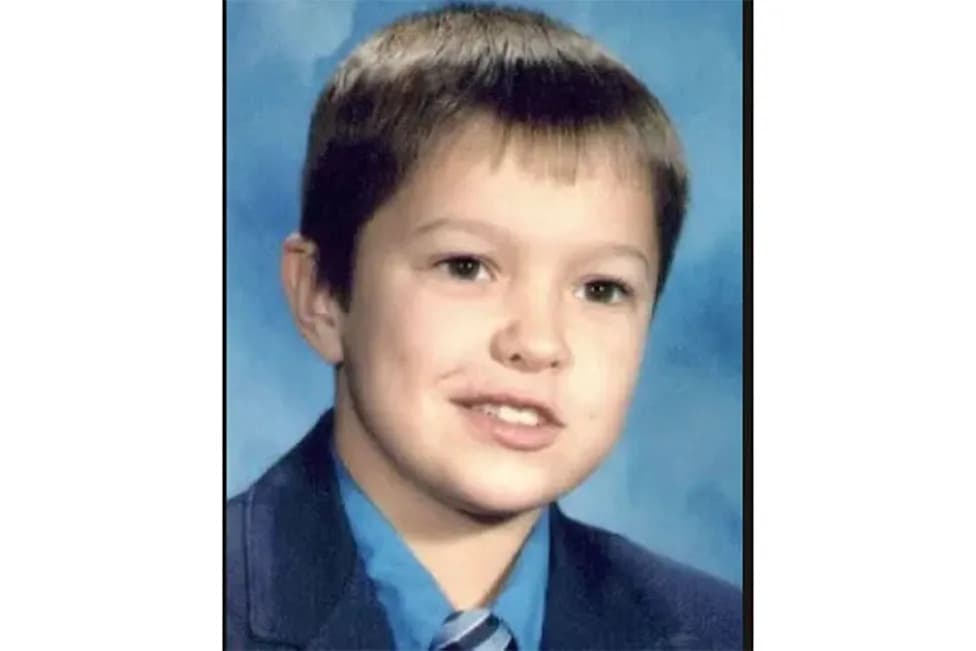
Chandra LevyCredit: D.C. Metropolitan Police Department
Investigation and Controversy
The case drew intense public and political scrutiny in part because of Levy’s acknowledged relationship with then-congressman Gary Condit. Condit initially denied an affair but later acknowledged a relationship after DNA evidence from Levy’s apartment linked him to contact with the victim. He was never charged in connection with Levy’s disappearance, and his attorneys have emphasized that he was cleared by investigators of involvement in her death.
Arrest, Conviction and Reversal
Years into the investigation, authorities arrested Ingmar Guandique, a man previously accused of attacking two women in Rock Creek Park. In 2010, Guandique was convicted of Levy’s murder and sentenced to 60 years in prison, a verdict that seemed to offer the family long-sought closure.
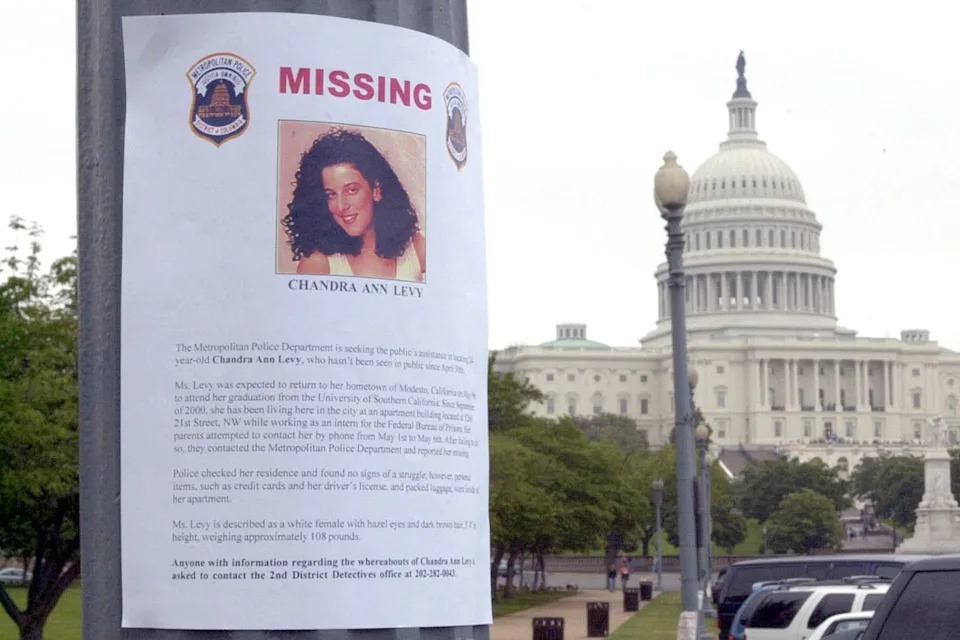
A missing persons poster for Chandra Levy on a lamp post near the US Capitol buildingCredit: Getty
That conviction was upended in 2016 when prosecutors moved to dismiss the charges, saying they could no longer prove Guandique’s guilt beyond a reasonable doubt after new information raised serious concerns about the credibility of a key witness. With the dismissal and no retrial, Guandique was released; he was deported to El Salvador in 2017.
Impact on the Family and Ongoing Status
The reversal reopened deep wounds for Levy’s parents, Susan and Robert Levy, who had spent more than 15 years seeking answers. “I feel shattered,” Susan Levy told reporters at the time. Her father said investigators were probing the source of compromised testimony and expressed hope for broader accountability. The family continues to urge anyone with information to come forward.
Current Status: As of 2026 the case remains unsolved and classified as a cold case. Authorities have not announced new charges.
If you have information relevant to the investigation, contact the appropriate law-enforcement agency handling the case. Even small details can matter in long-unsolved cases.
Help us improve.