The US will host a second round of direct Lebanon–Israel talks at the State Department on Thursday, the first follow-up since a fragile ceasefire between Hezbollah and Israel took effect. Lebanon’s president has defended negotiations as a show of national strength, while Hezbollah and some regional actors oppose the talks or demand broader inclusion. Despite the truce, violence and demolitions in southern Lebanon have continued, and Lebanon has appointed Simon Karam to lead its negotiating team.
State Department To Host Second Round Of Direct Lebanon–Israel Talks Amid Fragile Ceasefire
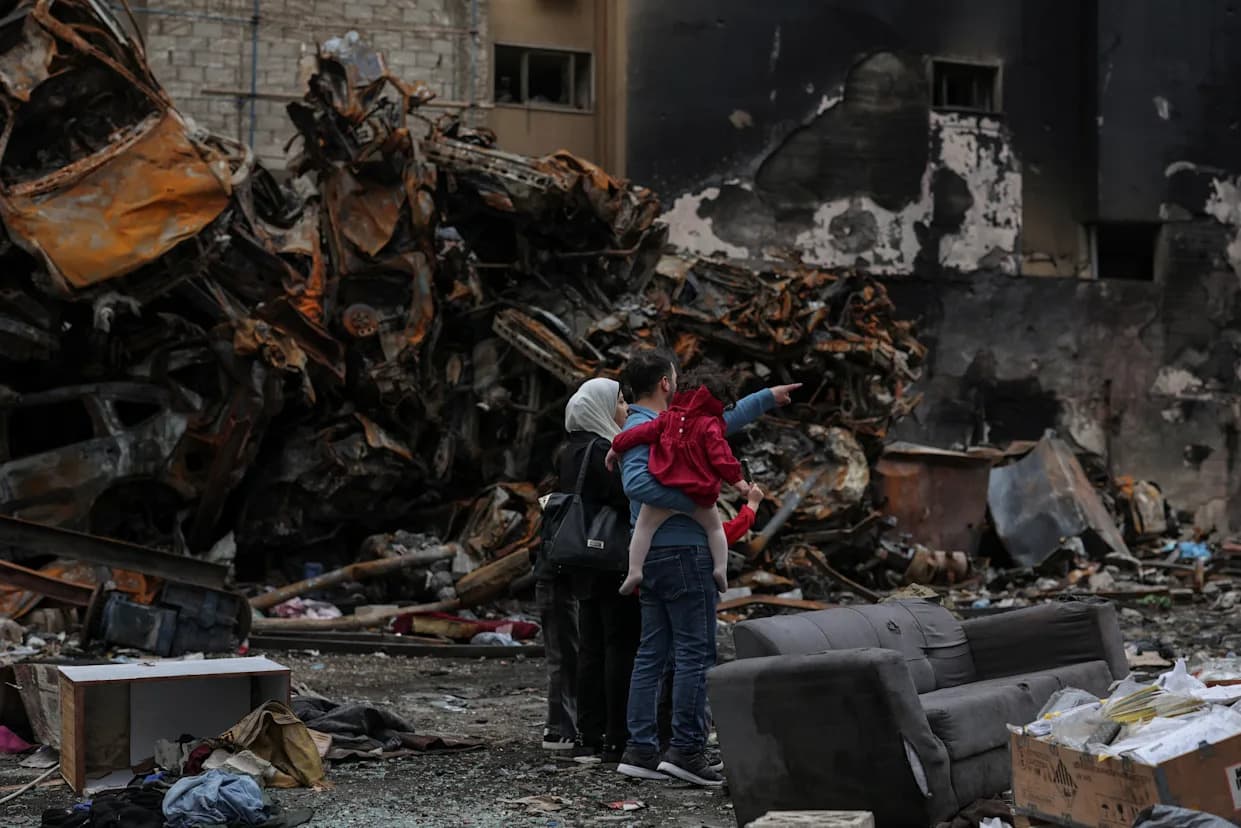
The site of an Israeli air strike in Corniche al-Mazraa in Beirut, Lebanon, April 19 [File: Louisa Gouliamaki/Reuters]
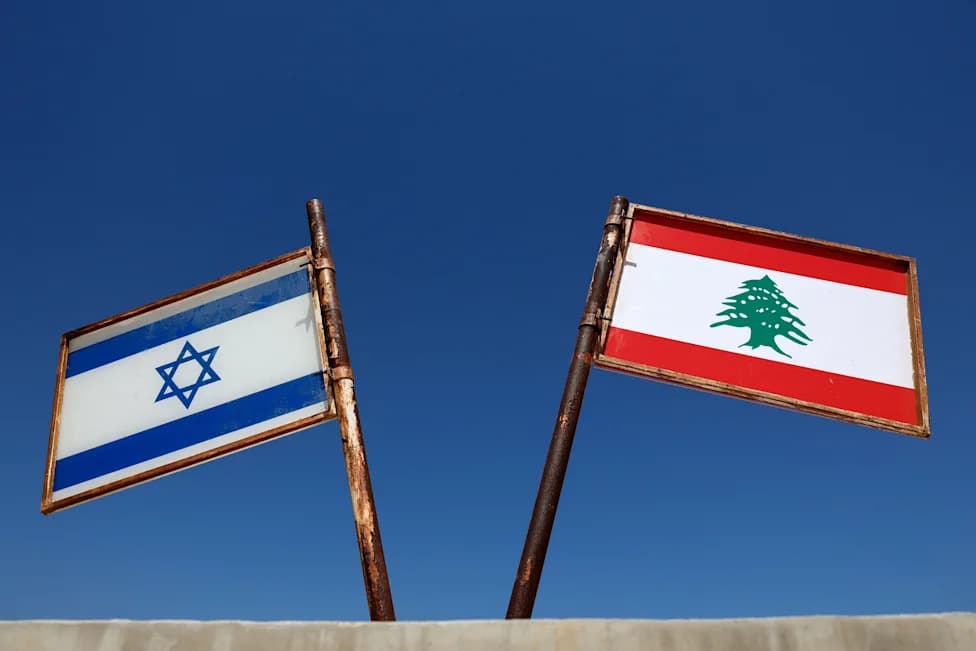
The United States will host a second round of direct talks between Lebanon and Israel at the State Department on Thursday, the State Department said, as both governments push ahead with negotiations while a fragile ceasefire holds.
Overview
The Washington meeting is the first follow-up session since a fragile truce between Hezbollah and Israel took effect. The talks are being presented by Beirut and Washington as a channel to resolve border disputes and reduce the risk of renewed escalation.
Participants And Positions
Lebanon’s ambassador to Washington, Nada Hamadeh, and Israel’s ambassador, Yechiel Leiter, led the first round of discussions on April 14. The sessions were attended by senior US State Department officials who are facilitating the direct, good-faith negotiations.
“The United States welcomes the productive engagement that began on April 14,” a State Department spokesperson said, adding that Washington will continue to facilitate the talks.
Lebanese President Michel Aoun has defended the negotiations as a demonstration of national resolve. In a televised address he said the talks were “not a weakness” or a concession but part of Lebanon’s effort to protect its rights and people.
Opposition And Regional Stakes
Hezbollah and some allied factions have strongly opposed the talks. Hezbollah leader Naim Qassem described the negotiations as futile and said no meaningful internal consensus had been reached to proceed.
Iran has called for Lebanon to be included in any broader regional truce arrangements, while the Lebanese government has insisted that Beirut alone should lead negotiations on behalf of the country.
Violence And Human Cost
The diplomatic push followed a wave of Israeli air strikes across Lebanon, including strikes in Beirut, that reportedly killed more than 300 people, among them medics, women and children. Despite the ceasefire, reports say strikes and demolitions have continued in southern border areas as Israeli forces seek to create a so-called “forward defence” zone.
In recent days, Israeli forces reported operations in the southern city of Bint Jbeil, saying they targeted militants, while Hezbollah said it attacked an Israeli convoy near Deir Siriane in the eastern border sector.
Next Steps
On Wednesday Lebanon named veteran diplomat Simon Karam to lead its negotiating team in Washington. The upcoming session will test whether direct, State Department–facilitated talks can produce agreements that reduce the risk of renewed fighting and address contested border and security issues.
Context Note: Reporting on the conflict includes claims and counterclaims from all sides. The State Department framed the talks as a diplomatic channel to lower tensions; domestic political divisions in Lebanon and regional actors such as Iran mean the talks face significant political obstacles.
Help us improve.