Lebanese President Joseph Aoun says upcoming direct talks with Israel aim to stop fighting and end the occupation in southern Lebanon, while Hezbollah and its allies strongly oppose the move. Ambassador-level negotiations resume in Washington this Thursday following a 10-day truce announced by US President Donald Trump. The process has sparked domestic protests and continued cross-border incidents; Aoun has named Simon Karam to lead Lebanon’s delegation and says negotiations are the pathway to lasting stability.
Aoun Pushes Direct Talks With Israel To End Occupation As Hezbollah Protests
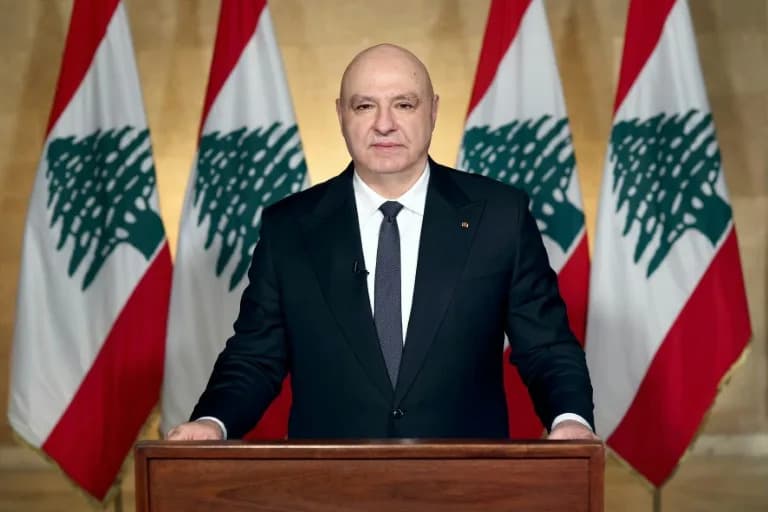
Lebanese President Joseph Aoun delivers a televised address from the presidential palace (-)(-/Lebanese Presidency/AFP)
Beirut — Lebanese President Joseph Aoun said on Monday that upcoming direct negotiations with Israel aim to halt hostilities and end the occupation of southern Lebanon, even as Hezbollah and its political allies denounced the talks.
Diplomatic Push Amid Ceasefire
After the first round of direct talks between Lebanese and Israeli representatives on April 14, the two countries' ambassadors are set to meet again in Washington on Thursday, a US State Department official told AFP. The meetings follow a 10-day truce announced by US President Donald Trump that paused more than six weeks of clashes along the volatile Israel-Hezbollah front.
Domestic Backlash And Security Incidents
Hezbollah and allied lawmakers sharply criticised the government's decision to enter bilateral negotiations. Hezbollah lawmaker Hassan Fadlallah told AFP that it would be in Lebanon’s and Aoun’s interest to withdraw from direct talks, arguing that indirect or regionally backed negotiations would better protect national consensus.
"Perhaps through indirect negotiations, even via the United States of America, we can achieve [Lebanon's goals]," Fadlallah said.
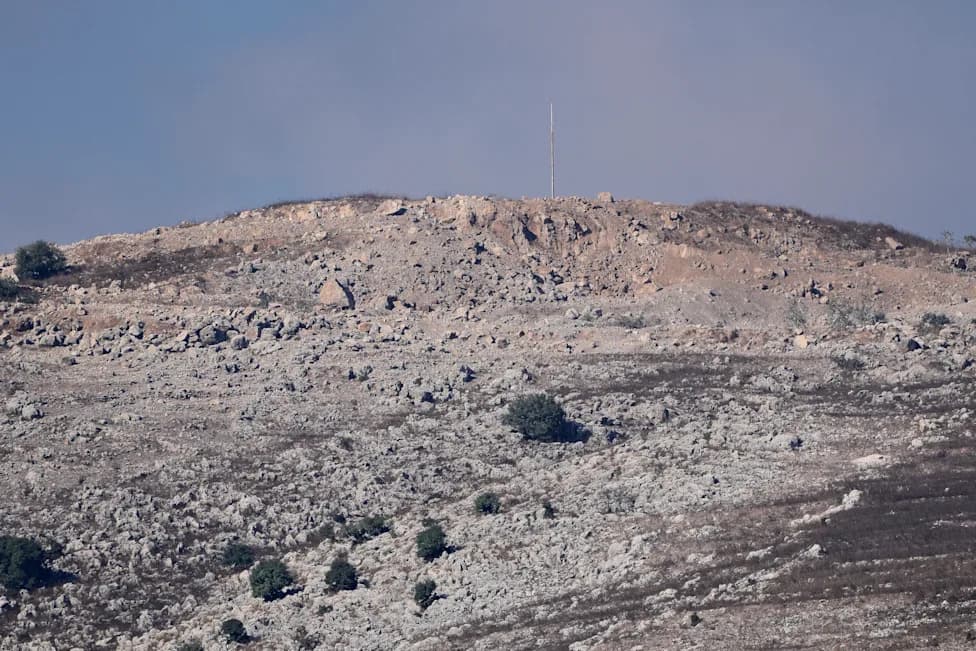
Meanwhile, Lebanon's National News Agency reported an Israeli drone strike on Qaqaiyat al-Jisr in the south and artillery fire on the border town of Hula. The Lebanese health ministry said six people were wounded in Qaqaiyat al-Jisr. Israel's army said soldiers had identified militants who violated the ceasefire in the Bint Jbeil and Litani areas and that the air force "eliminated" them.
The NNA also reported demolition operations and detonations in Mais al-Jabal and other border villages, describing "systematic destruction" of homes, buildings and infrastructure.
Leadership Decision And Political Context
Aoun framed negotiations as the path to end the fighting and restore Lebanese control over the internationally recognised southern border. He announced the appointment of former ambassador to Washington Simon Karam to lead Lebanon’s delegation. Karam previously engaged directly with Israeli counterparts in December as part of a committee monitoring a 2024 ceasefire between Hezbollah and Israel.
"We negotiate for ourselves... we are no longer a pawn in anyone's game, nor an arena for anyone's wars, and we never will be again," Aoun said.
Hezbollah supporters have expressed outrage in the southern suburbs and online, with graffiti and social media posts accusing Aoun and Prime Minister Nawaf Salam of betraying Lebanese sacrifices. Lebanese authorities estimate that Israeli attacks have killed more than 2,300 people and displaced over one million during the conflict.
Outlook
Aoun argued Lebanon faces a clear choice: continued conflict or negotiations that could bring lasting stability. Critics warn that direct bilateral talks, conducted amid deep domestic divisions and external regional dynamics, risk undermining internal consensus unless broader guarantees are secured.
Help us improve.