Gunmen attacked a university community in Gari Ya Waye, Angwan Rukuba (Plateau State) on Sunday night, killing at least 30 people and leaving others wounded. Authorities imposed a 48‑hour curfew and the University of Jos suspended examinations scheduled for Monday. Residents said attackers fired indiscriminately; security forces have launched investigations as hospitals treat the injured. Analysts say land pressure from climate change and expanding agriculture often underlies farmer‑herder clashes in the region.
At Least 30 Killed in Mass Shooting at University Community in Plateau State
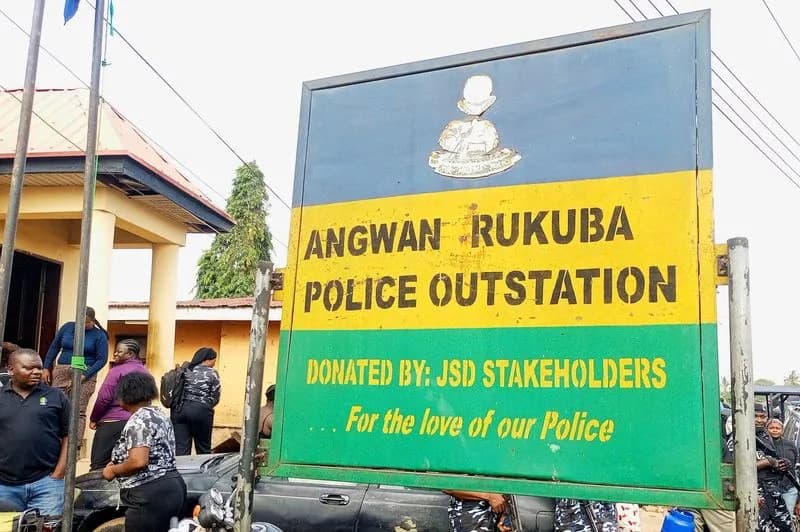
People gather outside the Angwan Rukuba police outstation, the morning after gunmen killed multiple people in an overnight attack in Angwan Rukuba, Jos North, Plateau State, Nigeria, March 30, 2026. REUTERS/Stringer
BAUCHI, Nigeria, March 30 — Gunmen opened fire on a university community in the Gari Ya Waye area of Angwan Rukuba, Plateau State, on Sunday night, killing at least 30 people, residents and local officials said on Monday. Hospitals received wounded victims, but officials had not released a confirmed tally of the injured.
Local residents reported the attackers arrived in the community and fired indiscriminately. Plateau state authorities described the assailants as unknown and imposed a 48-hour curfew across the district while security forces investigate and search for suspects. In response to the violence, the University of Jos suspended examinations that were due to begin on Monday.
As I speak with you, the figure is now 30. There are injured people at the hospital, but I cannot confirm their number,— Markus Audu Kando, resident and co‑chair of the Plateau Youth Interfaith Group
Another local leader, Paul Mancha, said the attack left many dead and others receiving treatment in hospital. Authorities warned residents to remain indoors during the curfew as security operations continued.
Violence in Nigeria's central Middle Belt is often framed as ethno‑religious, pitting mainly Muslim Fulani herders against predominantly Christian farmers. However, analysts and some politicians say competition for diminishing land and grazing space — driven by climate change, desertification and agricultural expansion — fuels many clashes regardless of religion or ethnicity.
Last November, the U.S. government re‑designated Nigeria as a "country of particular concern," citing concerns that Christians were being targeted and that authorities were not adequately protecting vulnerable communities. The Nigerian government has rejected that assessment.
Investigations are ongoing. Officials have appealed for calm and called for information from anyone with knowledge of the attack as security forces step up patrols across the district.
Help us improve.