The article describes a new MIT implant that encapsulates donor pancreatic islet cells, protects them from immune attack, and supplies oxygen via an on-board generator powered wirelessly. In mice the device sustained insulin-producing cells for at least three months; researchers aim to extend function to years and demonstrate long-term safety. If successful, the approach could reduce dependence on insulin injections and avoid chronic immunosuppression, and might be adapted to produce other therapeutic proteins inside the body.
From Mini-Livers to Bonus Pancreases: MIT Implant Aims To Restore Insulin Production
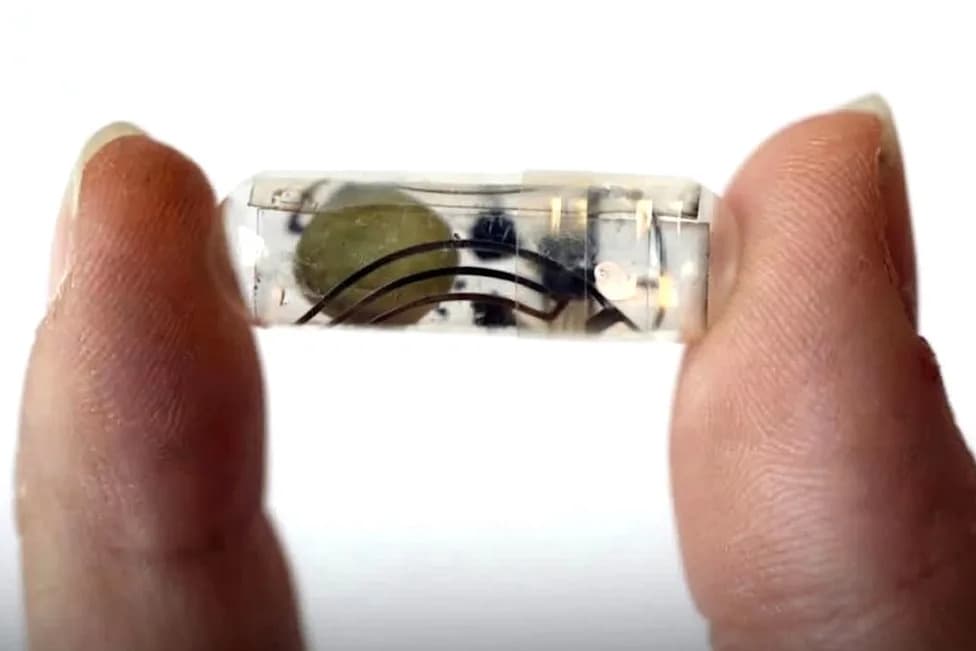
Recent advances in cell-based therapies are converging on a new possibility: implantable devices that host living cells to replace or supplement organ function. Following reports of injectable “mini-livers,” researchers at MIT have described a tiny implant designed to house insulin-producing pancreatic islet cells, keep them alive inside the body, and shield them from immune attack.
How the Device Works
The team from MIT’s Koch Institute for Integrative Cancer Research and the Institute for Medical Engineering and Science published the work this week in the journal Device. The implant encapsulates donor islet cells to reduce immune rejection while providing a self-contained oxygen supply and wireless power. An external antenna placed on the skin transmits energy to the device so it can operate without implanted batteries.
A key technical challenge is oxygen delivery: cells enclosed in a protective capsule cannot draw oxygen directly from the bloodstream. The MIT device addresses this with a miniature on-board oxygen generator. A proton-exchange membrane inside the implant harvests water vapor from surrounding tissues and splits it into hydrogen and oxygen; hydrogen diffuses away and oxygen passes through a permeable membrane to nourish the islet cells, enabling them to produce insulin.
Preclinical Results and Next Steps
In mouse studies the device kept islet cells viable and producing insulin for at least three months. The researchers’ priority now is to extend that survival window from months to years, demonstrate long-term safety and function, and test the approach in larger animals before any human trials.
Potential Benefits and Limitations
If translated to humans, this approach could approximate normal pancreatic function, reduce reliance on frequent insulin injections, and limit or eliminate the need for systemic immunosuppression. However, the evidence so far is preclinical: long-term durability, device biocompatibility, scaling to human-sized implants, and regulatory approval remain significant hurdles.
“We think that these technologies could provide a long-term way to treat human disease by making drugs in the body instead of outside of the body,” said MIT’s Daniel Anderson, senior author of the study. “There are many protein therapies where patients must receive repeated, lengthy infusions. We think it may be possible to create a device that could continuously create protein therapeutics on demand and as needed by the patient.”
Beyond diabetes, the platform could be adapted to host cells that produce therapeutic proteins or antibodies, potentially replacing repeated external infusions with continuous, in‑body production.
The prospect of restoring endogenous insulin production is significant: nearly 40 million Americans live with some form of diabetes, and roughly 1.8 million have type 1 diabetes, which requires lifelong insulin management. While promising, this MIT device remains at the preclinical stage and will require substantial follow-up work before it could become a clinical option.
Help us improve.