President Trump said talks with Iran were making "great progress," but Tehran denied any negotiations and vowed to continue fighting. Pakistan, Egypt and Gulf states are attempting quiet mediation focused on confidence-building, a pause in hostilities and reopening the Strait of Hormuz. Key obstacles include unclear Iranian command, the Revolutionary Guard's influence, divergent Israeli aims, and contentious demands such as removing Iran's enriched uranium. With thousands of U.S. Marines en route and ongoing strikes, the situation remains volatile.
What to Know About Reported Talks to Wind Down the Iran War — Who’s Involved and What’s At Stake
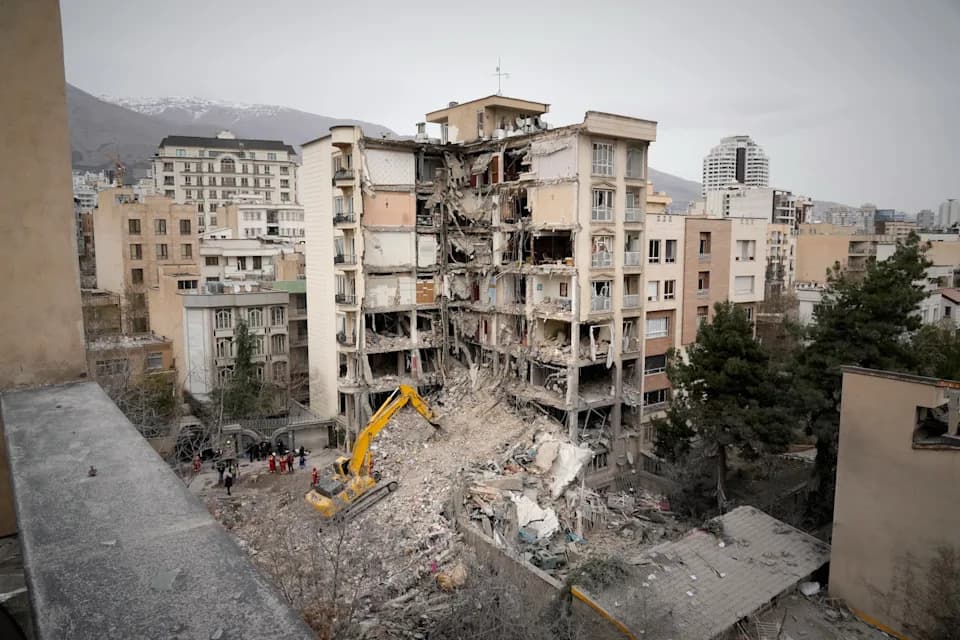
Iranian Red Crescent emergency workers use a bulldozer to clear rubble from a residential building that was hit in an earlier U.S.-Israeli strike in Tehran, Iran, Monday, March 23, 2026. (AP Photo/Vahid Salemi)(ASSOCIATED PRESS)
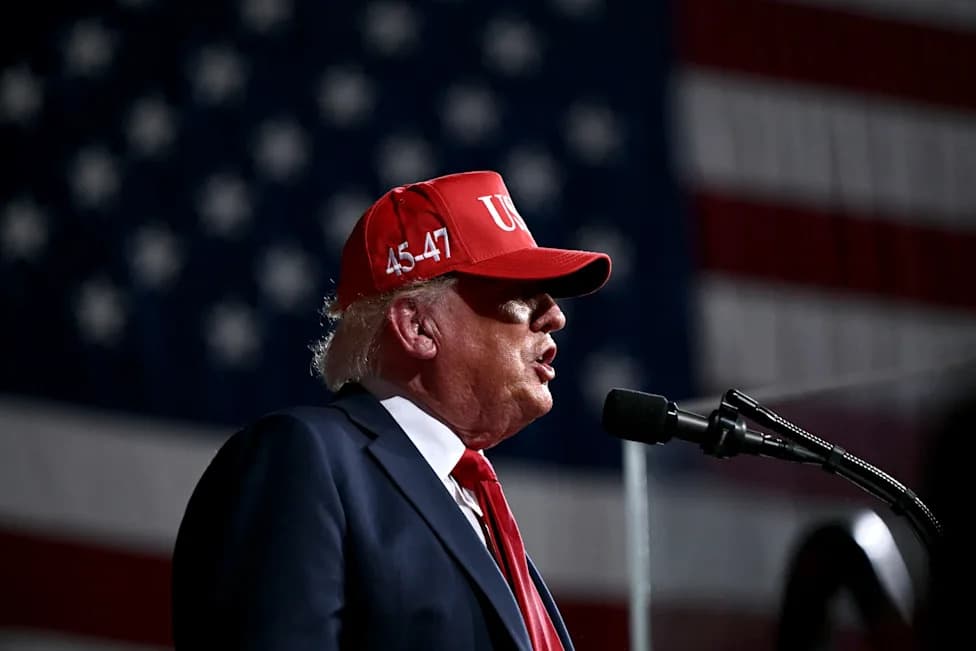
DUBAI — U.S. President Donald Trump’s recent, unexpected claim that talks with Iran are making “great progress” has deepened confusion over a war whose goals were already unclear. The most basic question remains: which talks is he referring to?
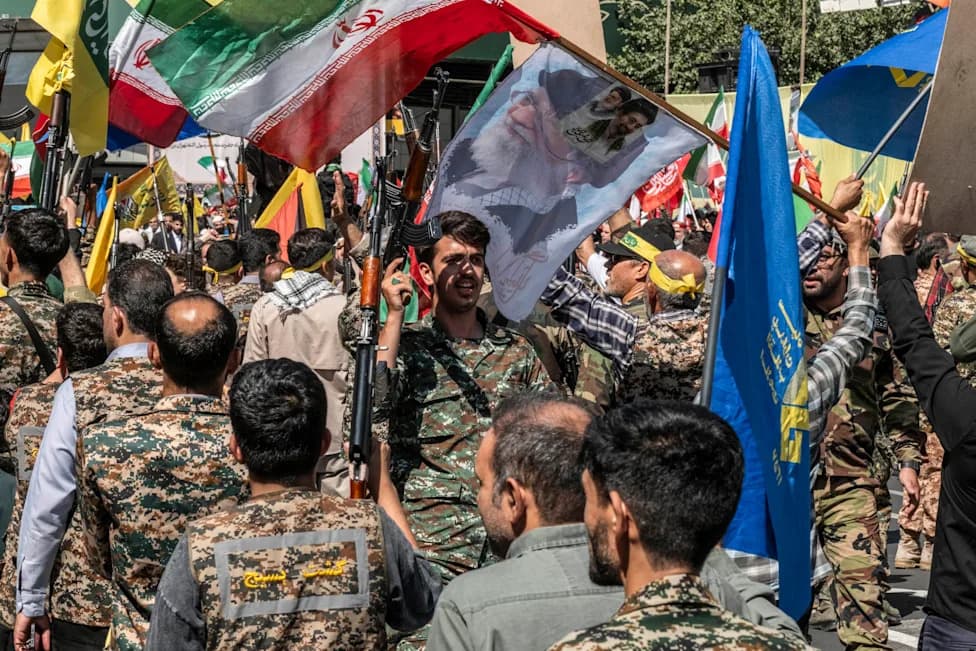
Iran has denied that any negotiations are underway and vowed to fight “until complete victory.” Pakistan, Egypt and several Gulf Arab states say they are quietly trying to assemble a mediation track, but those efforts appear preliminary. Meanwhile, Israel has pledged to continue strikes.
What Was Claimed — And What’s Confirmed
Trump said U.S. envoys, including Steve Witkoff and Jared Kushner, held talks with an Iranian official; he did not identify the contact. Media reports suggested Iranian Parliament Speaker Mohammad Bagher Qalibaf as a possible interlocutor, but Qalibaf denied those reports on X.
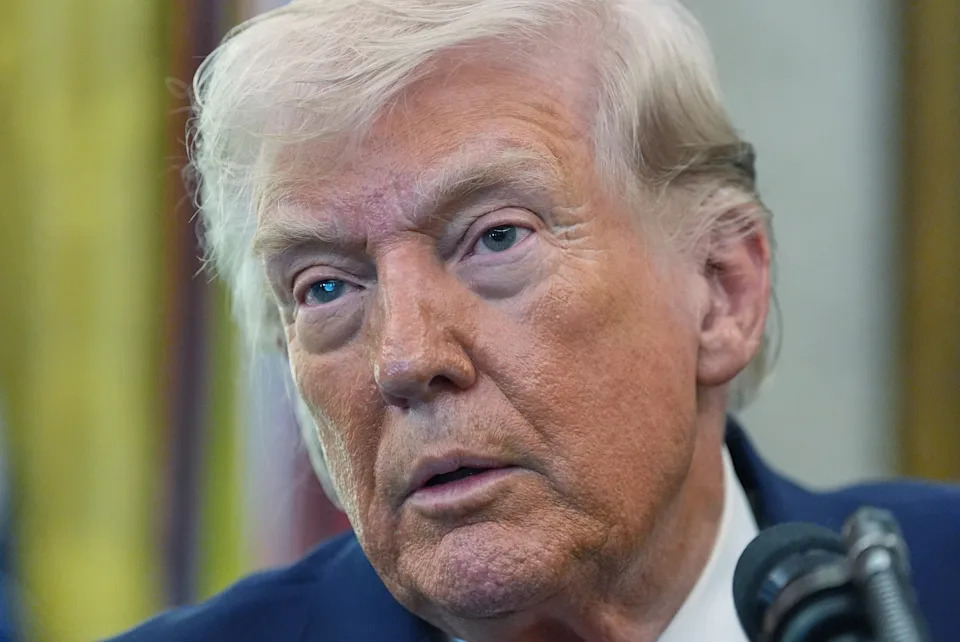
President Donald Trump listens to a reporter during the swearing in for Homeland Security Secretary Markwayne Mullin in the Oval Office of the White House, Tuesday, March 24, 2026, in Washington. (AP Photo/Alex Brandon)(ASSOCIATED PRESS)
Pakistani, Egyptian and Gulf diplomats told reporters the U.S. had agreed “in principle” to take part in talks hosted in Pakistan, while mediators are still trying to persuade Iran to join. Those officials spoke on condition of anonymity because they were not authorized to comment publicly.
U.S. Objectives: Varied and Often Vague
Since the U.S. and Israel launched the campaign on Feb. 28, Trump’s stated goals have shifted. He has cited aims such as degrading or destroying Iran’s missile capabilities and reducing its ability to threaten neighbors. He has also insisted that preventing Iran from ever obtaining a nuclear weapon be part of any settlement — a far tougher and more contentious demand.
Reopening the Strait of Hormuz, the critical oil shipping route that Iran effectively blocked when the war began, has emerged as a near-term priority for Washington and global markets.
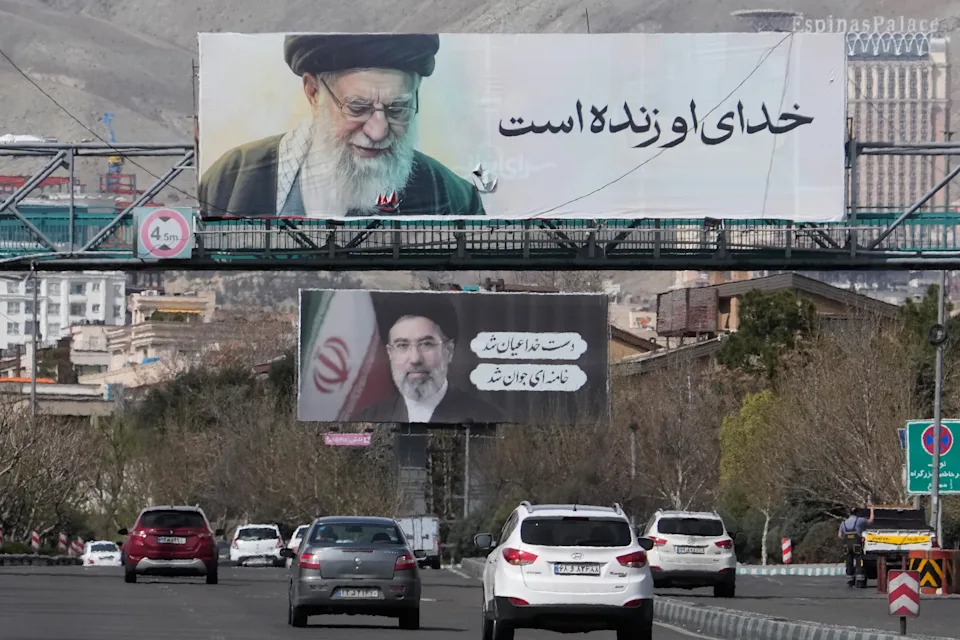
Vehicles drive under billboards showing portraits of the late Iranian Supreme Leader Ayatollah Ali Khamenei, foreground, and his son Ayatollah Mojtaba Khamenei, the successor to him, along a highway in Tehran, Iran, Tuesday, March 24, 2026. (AP Photo/Vahid Salemi)(ASSOCIATED PRESS)
Who Speaks for Iran?
Iran’s leadership appears to have remained intact despite heavy bombardment and the killing of its supreme leader and other senior commanders. But who has decisive authority is unclear. The new supreme leader, Ayatollah Mojtaba Khamenei, has not been publicly seen or heard from since succeeding his slain father, Ali Khamenei.
Power in Tehran is dispersed among regular military forces, the powerful Islamic Revolutionary Guard Corps, and political figures such as Qalibaf, Foreign Minister Abbas Araghchi and President Masoud Pezeshkian. It is uncertain whether any Iranian official who might enter talks would have the backing of the armed forces or the Guard.
Military Moves and the Risk of Escalation
Barrages were exchanged into Iran, Israel and across the wider Middle East, and thousands more U.S. Marines were reported en route to the Gulf. Trump briefly set, then extended, a deadline tied to an ultimatum that threatened attacks on Iranian power plants unless Iran eased its control of the Strait of Hormuz; Iran warned of retaliation against energy and infrastructure if attacked.
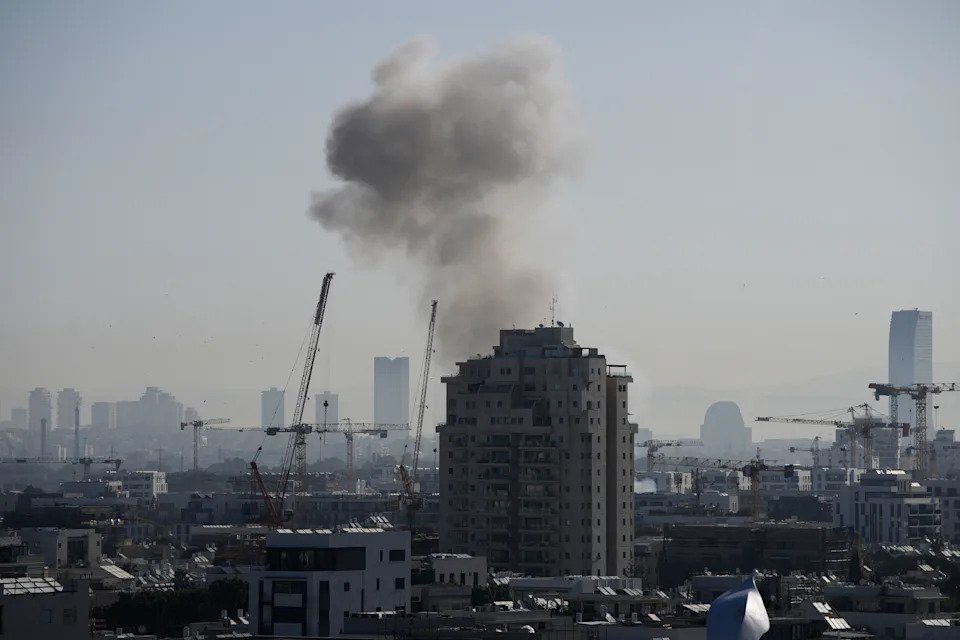
Smoke billows following an Iranian missile strike in Tel Aviv, Tuesday, March 24, 2026. (AP Photo/Ohad Zwigenberg)(ASSOCIATED PRESS)
The incoming Marine deployment could be intended to pressure Iran during negotiations — or to buy time for U.S. forces to position. Analysts have warned such moves also carry the risk of widening the war, including speculation about possible operations to seize Kharg Island or to remove enriched uranium from inside Iran, both of which would represent major escalations.
Israel’s Role
Israel is not reported to be part of the mediation effort. Though it has positioned itself as aligned with U.S. objectives, Israel pursues separate war aims and has continued strikes, including a recent attack on Iran’s offshore South Pars gas field. Prime Minister Benjamin Netanyahu has acknowledged U.S. diplomatic efforts but said Israel would continue to act against perceived threats.
An end to hostilities between the U.S. and Iran would not necessarily halt Israel’s other campaigns, such as operations in Lebanon against Hezbollah.
Possible Outcomes
At minimum, mediators say they are pushing for “trust-building” steps that could yield a pause in fighting and a mechanism to reopen the Strait of Hormuz. A broader settlement would have to address nuclear issues, including Trump’s insistence on removing Iran’s enriched uranium — a demand Tehran has historically rejected.
Iranian officials cited in this report have emphasized that they seek an end to the war across all fronts, not a limited ceasefire.
Bottom line: Claims of progress in talks remain unconfirmed, Iran publicly denies negotiations, mediators are quietly engaged, and military movements on all sides mean the risk of escalation remains high.
Keath reported from Cairo; Ahmed from Islamabad.
Help us improve.