The Marine Corps' 666‑page investigation concluded a rare "one‑in‑a‑million" malfunction caused an M795 artillery round to detonate prematurely over I‑5 during a Camp Pendleton live‑fire demonstration, showering shrapnel onto the highway and striking two CHP vehicles. No injuries were reported, and investigators found no negligence by Marines. The report identified possible factors — including howitzer proximity and "anomalous electromagnetic energy" — but offered no definitive cause. The display, part of the Corps' 250th‑anniversary events, drew criticism from Gov. Gavin Newsom and questions from California's congressional delegation.
Marine Corps: 'One‑in‑a‑Million' Artillery Malfunction Showered Shrapnel on I‑5 During Camp Pendleton Display
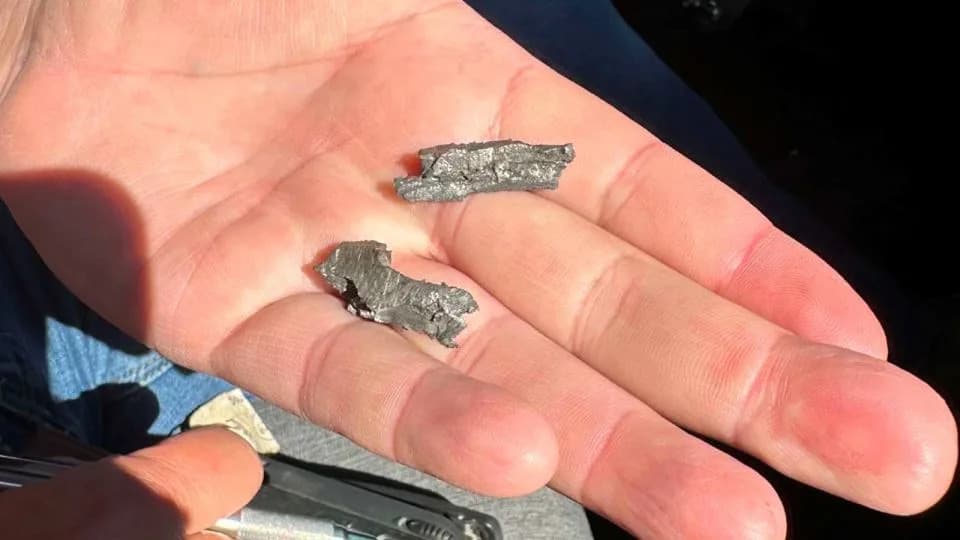
This photo provided by the California Highway Patrol shows shrapnel from live artillery that hit patrol vehicles during an October 18, 2025, military celebration in San Diego. - California Highway Patrol/AP
A Marine Corps investigation says a rare, "one‑in‑a‑million" malfunction caused an M795 high‑explosive artillery round to detonate prematurely above Interstate 5 during a live‑fire demonstration at Camp Pendleton last October, sending shrapnel onto the highway and striking two California Highway Patrol vehicles. The 666‑page report, dated Dec. 19, found no negligence by Marines and identified no single definitive cause.
What Happened
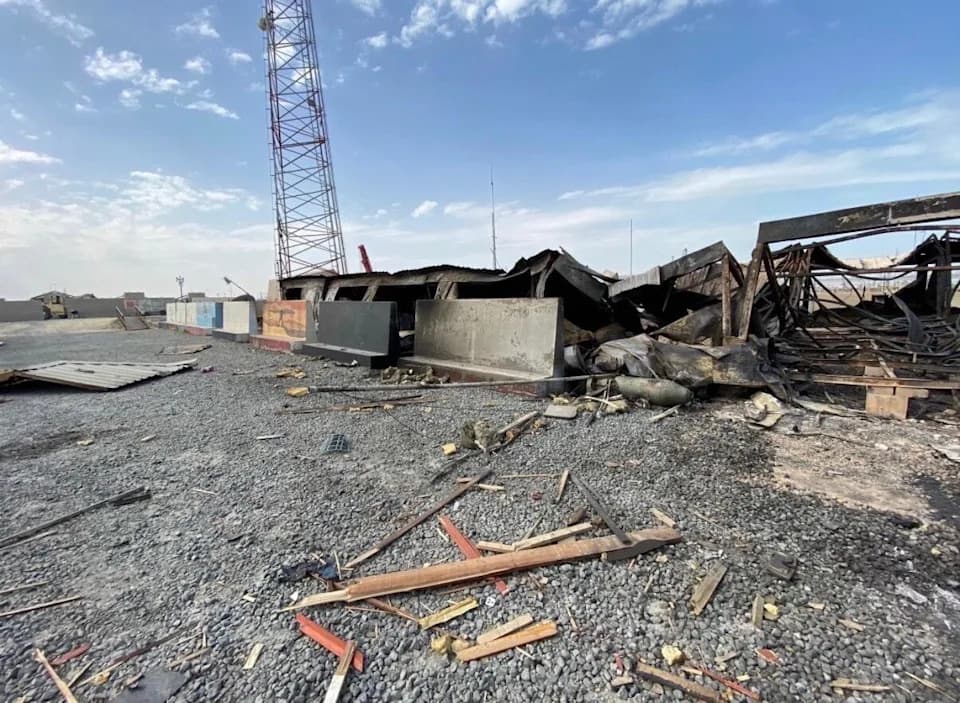
The demonstration — part of the Marine Corps' 250th‑anniversary events and attended by Vice President J.D. Vance and Defense Secretary Pete Hegseth — included a planned display of about 60 artillery rounds, aircraft, ships and amphibious vehicles. The first round was fired at 1:46 p.m. from M777 howitzers positioned on a beach west of I‑5 and aimed east. One shell failed to clear the roadway and detonated midflight at roughly 1,480 feet (450 meters), scattering fragments that hit a CHP motorcycle and an unoccupied patrol car. No injuries were reported and the exercise was halted immediately.
Investigation Findings
The Marine Corps' 666‑page inquiry concluded investigators "have no definitive answer" for the premature detonation but called the event "beyond reasonable expectations." The report noted that the M795 round is manufactured to a tolerance of one defect in a million and ruled out negligence or wrongdoing by service members. Potential contributing factors the investigators examined included the proximity of howitzer guns when fired and the "potential presence of anomalous electromagnetic energy in the vicinity," but no single cause was identified.
Public Response and Oversight
The demonstration drew advance criticism from California Governor Gavin Newsom, who called the live‑fire display "dangerous and unnecessary" and briefly ordered a closure of a 17‑mile (27‑kilometer) stretch of I‑5 the day before the event. In the days after the malfunction, California's entire congressional delegation — all 26 House members and both U.S. senators — sent a letter to Defense Secretary Hegseth asking who authorized firing live artillery over a public interstate and how safety risks were assessed.
Gen. Eric Smith, commandant of the Marine Corps, had emailed that the event "will be a good show regardless of who shows up." The location for the live fire was notable because such training typically occurs on designated ranges well within the base's 195‑square‑mile footprint.
On‑Scene Details
Incident reports describe an officer hearing what sounded like "pebbles" hitting his CHP BMW motorcycle; another officer found a roughly 2‑inch by 1/2‑inch piece of shrapnel on the hood of a patrol car that left a small dent. Photographs in the reports show the damaged patrol car and recovered metal fragments. A redacted Marine statement cited in the report said the Secret Service had sought to close I‑5 because of security concerns for a "Very Very Important Person" — the president — although President Trump ultimately did not attend.
Takeaway
The episode renewed scrutiny over the decision to fire live rounds across a busy interstate during a high‑profile public event. While investigators emphasized the rarity of such a munition failure and declined to assign blame to personnel, the absence of a definitive technical explanation leaves unanswered questions about safety planning and risk assessment for similar demonstrations.
Help us improve.