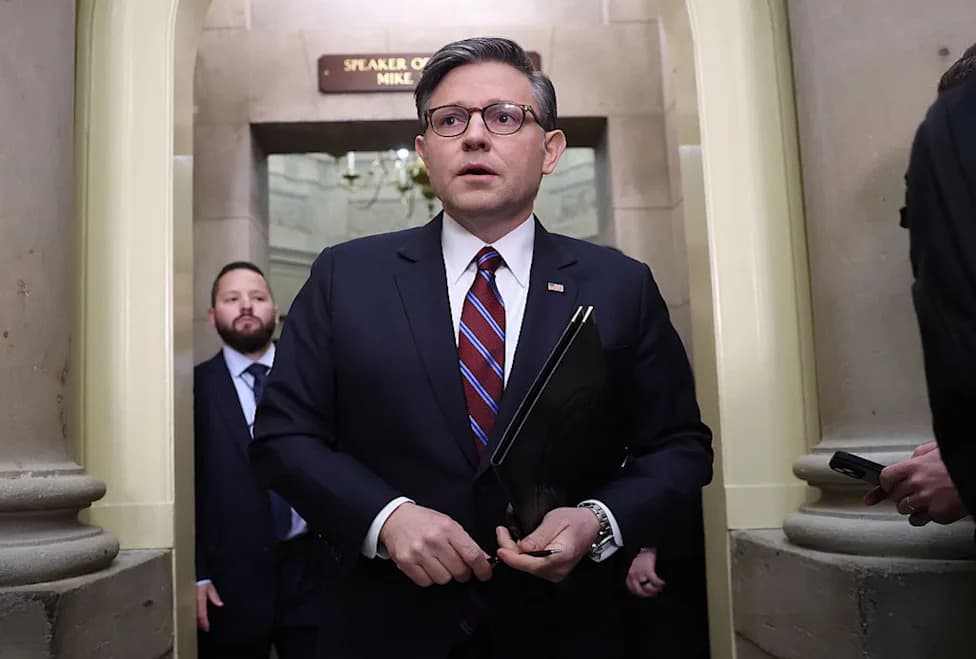
Donald Trump publicly disclosed Representative Neal Dunn's serious medical condition during a wide-ranging White House appearance, prompting Speaker Mike Johnson to say the information "wasn't public." The president described Dunn's ailment as a heart problem that required a lengthy procedure involving additional stents. Johnson said the surgery gave Dunn a "new lease on life," a development that carries added political weight given the House GOP's razor-thin one-seat majority.
Trump Publicly Reveals Florida Congressman’s 'Terminal' Diagnosis; Speaker Says It 'Wasn't Public'
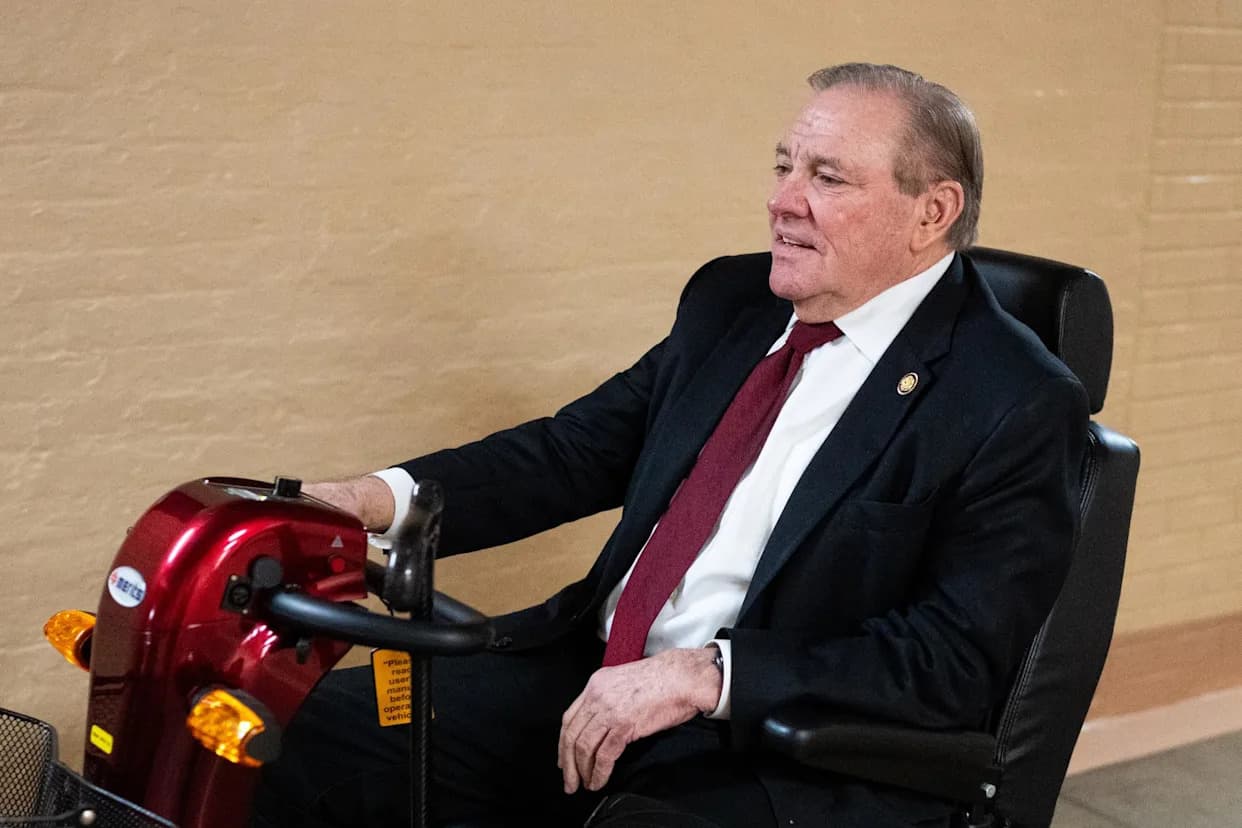
Neal Dunn arrives for the House Republican conference caucus meeting on 4 March 2026.Photograph: Bill Clark/CQ-Roll Call via Getty Images(Photograph: Bill Clark/CQ-Roll Call via Getty Images)
Former president Donald Trump disclosed medical details about Representative Neal Dunn during a wide-ranging White House appearance on Monday, prompting House Speaker Mike Johnson to note that the information "wasn't public." The revelation came during remarks that ranged from the Kennedy Center's renovation plans to the breast cancer diagnosis of Trump's chief of staff, Susan Wiles, and tensions with Iran.
Exchange at the White House
As he sat beside Speaker Johnson, Trump described Dunn, a 73-year-old Republican from the Florida Panhandle, as having been "very ill" and said it "looked like he wasn't going to make it." When Johnson recounted that the congressman chose to remain in Congress despite a bleak outlook, Trump asked what the diagnosis had been.
"I think it was a terminal diagnosis," Johnson replied.
"He would be dead by June," Trump interjected, after which Johnson acknowledged, "OK, that wasn't public, but yeah, OK. It was grim, that's what I was going to say."
Trump added that Dunn suffered a heart problem and that, after learning of it, he helped connect the congressman with White House-affiliated physicians for a lengthy procedure in which "they gave him more stents." Johnson said the surgery left Dunn with "a new lease on life" and "more energy than a man half his age."
Political Context
The comments arrived as House Republicans contend with a narrowly held one-seat majority and three currently vacant seats. That slim margin has magnified the political consequences of any health issue, resignation or retirement as both parties prepare for the November midterm elections.
Dunn, who has represented a district in the Florida panhandle since 2017, announced earlier this year that he will not seek re-election, saying it was time to "pass the torch" and spend more time with family. A spokesperson for Dunn did not immediately respond to requests for comment.
Help us improve.