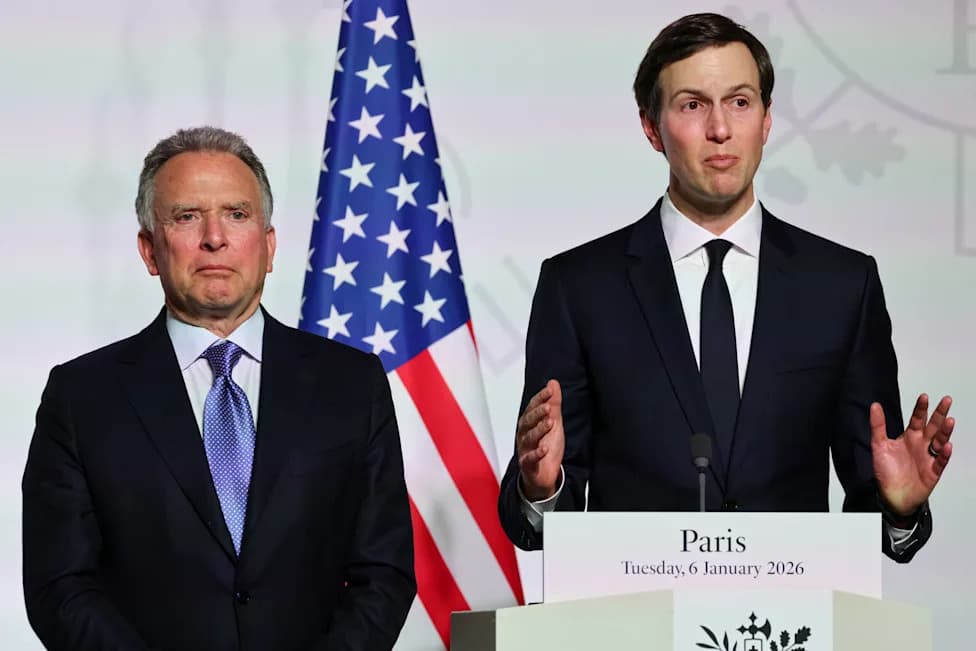
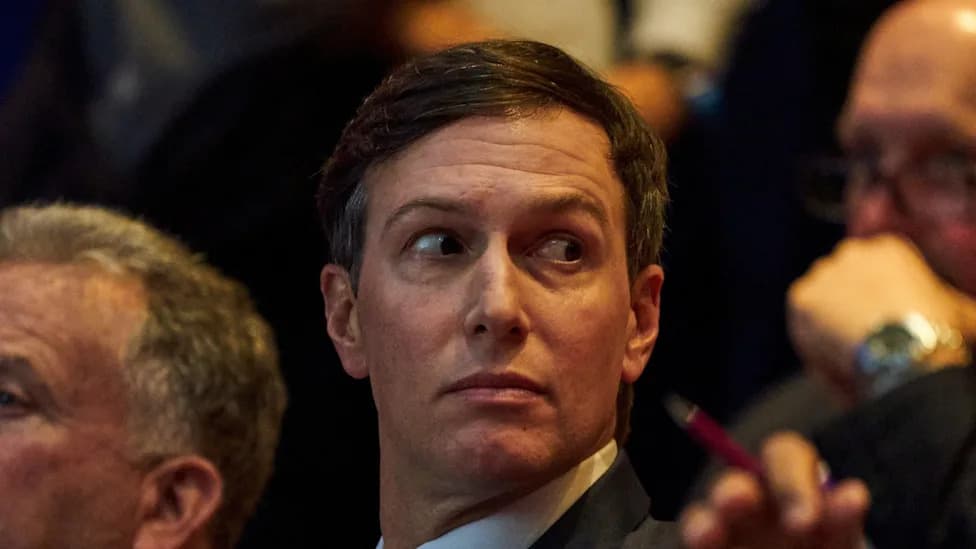
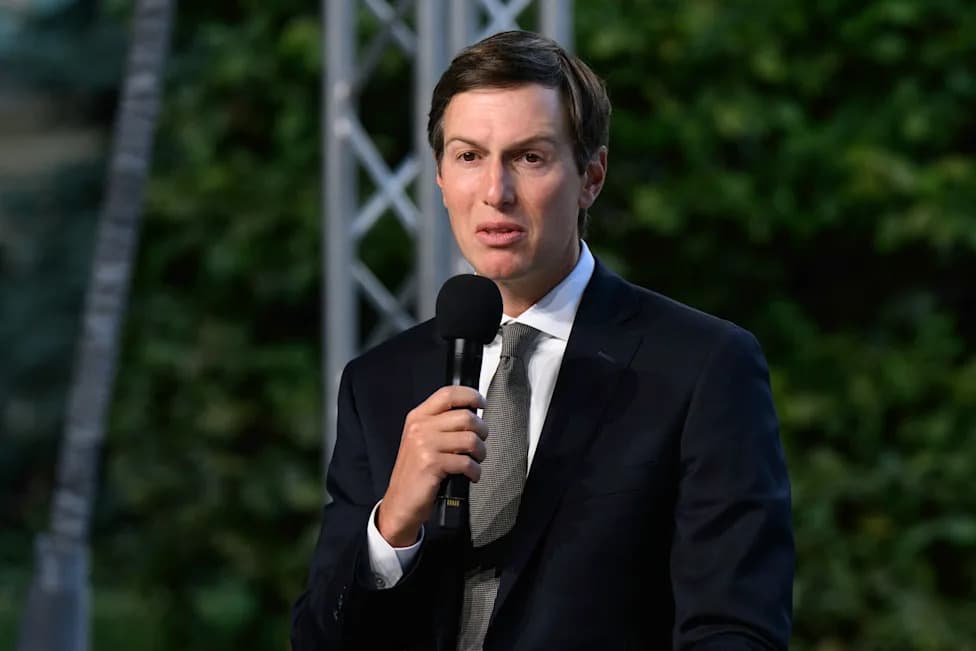
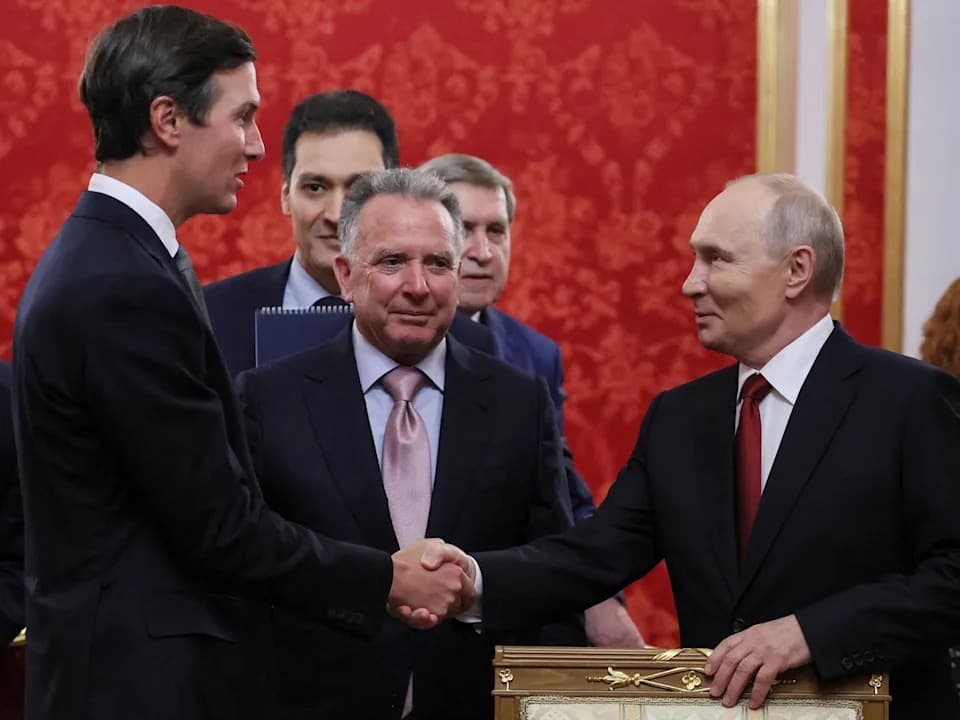
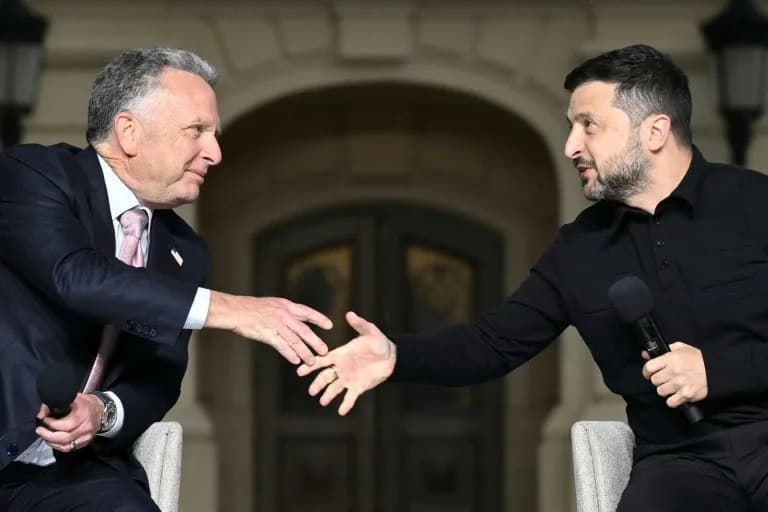
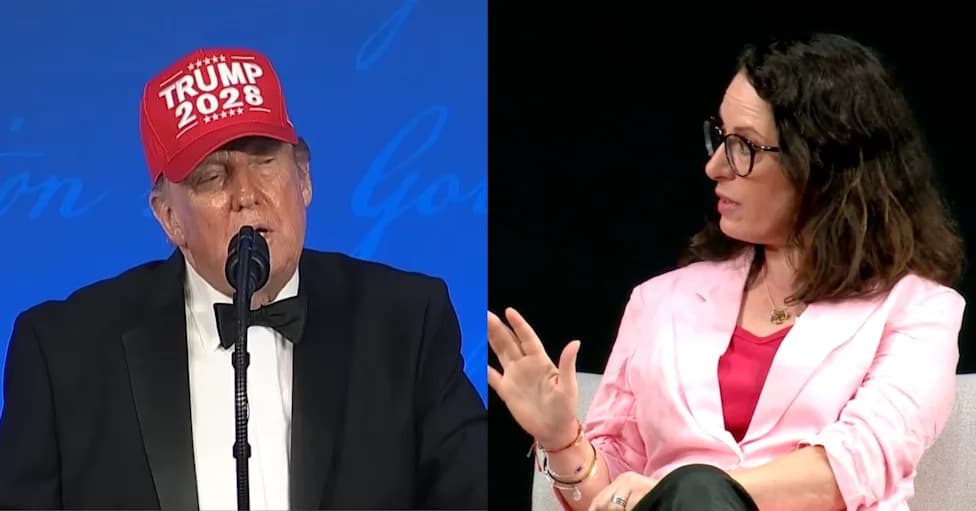
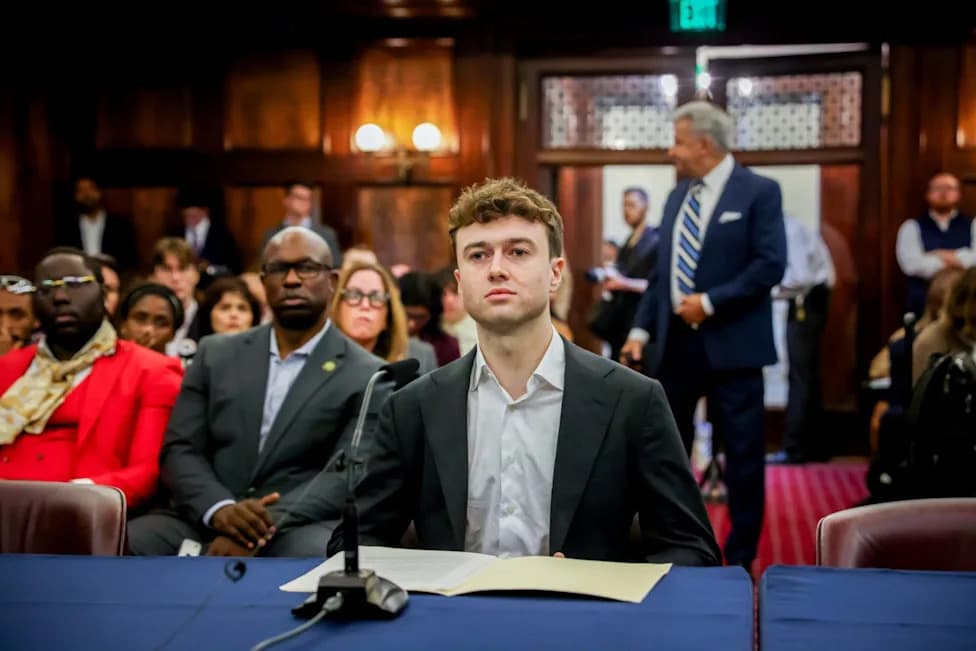
President Trump continues to back Jared Kushner and Steve Witkoff as his primary envoys despite mixed results. The administration treats diplomacy like a business transaction: a small, trusted team with direct presidential access sets strategy and moves quickly. Critics warn this approach risks overextension and lacks deep regional expertise, while supporters point to hostage returns, a prisoner exchange and the Abraham Accords as evidence of impact.
Trump Sticks With Kushner and Witkoff — Business-Style Diplomacy Faces Skepticism
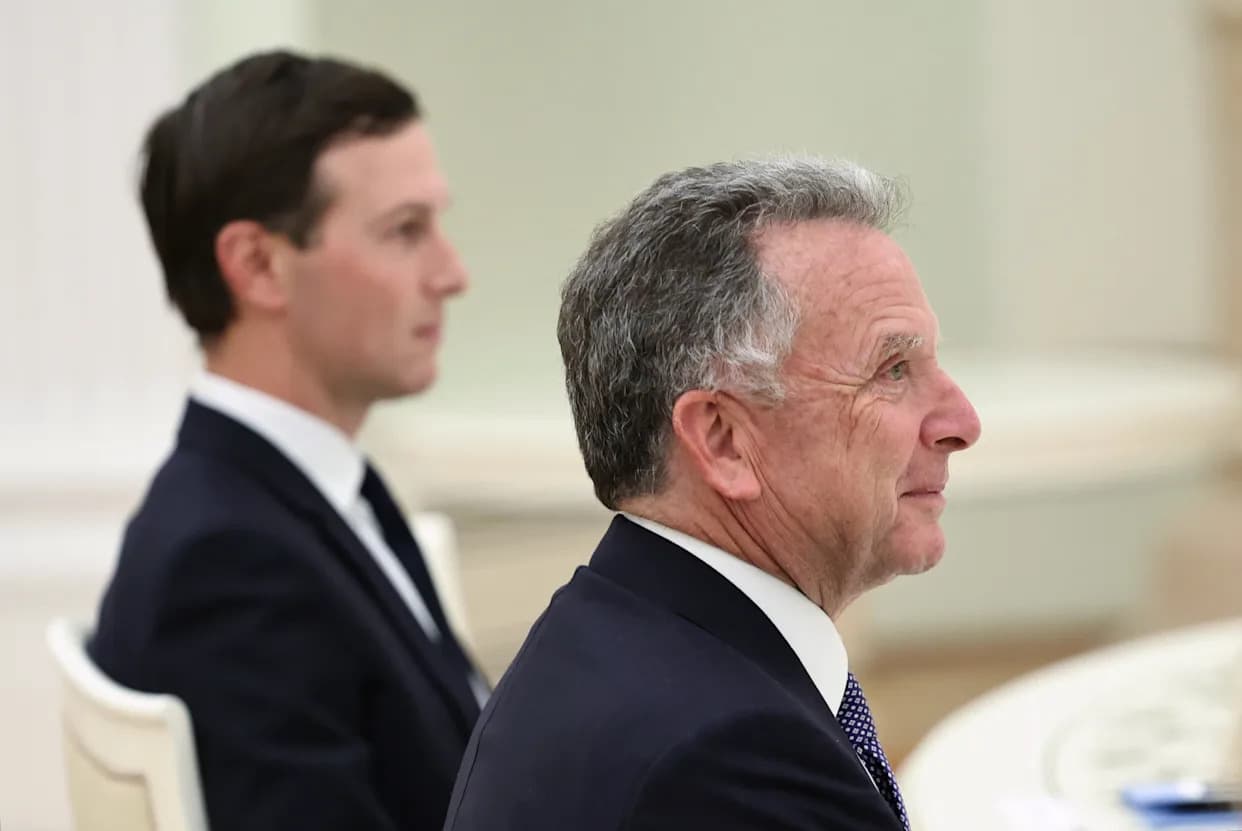
President Donald Trump remains publicly steadfast in his support for Jared Kushner and special envoy Steve Witkoff, the two trusted confidants he has tasked with brokering peace in several of the world’s toughest conflicts. Despite setbacks in negotiations with Iran and only fragile gains in Gaza, the White House insists a compact, business-minded team is the best route to results.
Business Mindset, Diplomatic Stakes
The administration treats diplomacy like a large-scale real-estate transaction: a small leadership group sets the vision and pushes a compact team to close complex deals. Two administration officials, speaking on background, described an approach that emphasizes speed, secrecy and the envoys’ direct access to the president. Trump told POLITICO, “I think they're doing a great job. People like that you can't hire.”
“Real-estate deals begin at the top with a select few who have a vision,” one official said. “Then after that comes constructive managers and coordinating with engineers and architects and so forth.”
How the Team Operates
Kushner and Witkoff keep their teams small and rely on close presidential access to move ideas quickly through the bureaucracy. Administration officials say the envoys consult with the National Security Council, State Department, CIA and Department of Defense when needed. But at times, sensitive proposals have been drafted directly by the two envoys, such as a 20-point Israel-Gaza plan that they helped produce.
High Tempo, High Risk
The pair’s one-size-fits-all approach was illustrated in Geneva, where they met with Iranian, Ukrainian and Russian delegations in the same day. According to officials, sessions ran from early morning talks with Iran through evening meetings with Russia, plus a dinner with Ukraine and regional partners. Critics say that pace risks overextension and that two businessmen cannot substitute for deep regional expertise.
Former State Department negotiator Aaron David Miller warned that mastering the historical and psychological nuances of multiple conflicts is a demanding task. He contrasted the administration’s rapid style with the lengthy, detail-heavy negotiations that produced the 159-page Iran nuclear agreement under the Obama administration.
Results and Disputes
Supporters point to concrete results they say the envoys helped secure: negotiated exchanges of hostages and a recent prisoner swap between Russia and Ukraine. The White House also views a broader rollout of the Abraham Accords—which normalized relations between Israel and several Arab countries—as a central foreign policy objective.
Witkoff said Iran declined to negotiate on enrichment, telling the envoys it had an “inalienable right to enrich” and boasting of highly enriched material. “They told me and Jared, 'we're not going to give you diplomatically what you take militarily,'” Witkoff said aboard Air Force One.
Outlook
Within the administration there is confidence that the envoys’ close access to the president and willingness to act quickly can produce breakthroughs, especially when unexpected events create new openings. Detractors argue that the approach undervalues deep subject-matter expertise and the patient diplomacy often required to resolve long-standing conflicts.
Report contributed by Cheyenne Haslett.
Help us improve.