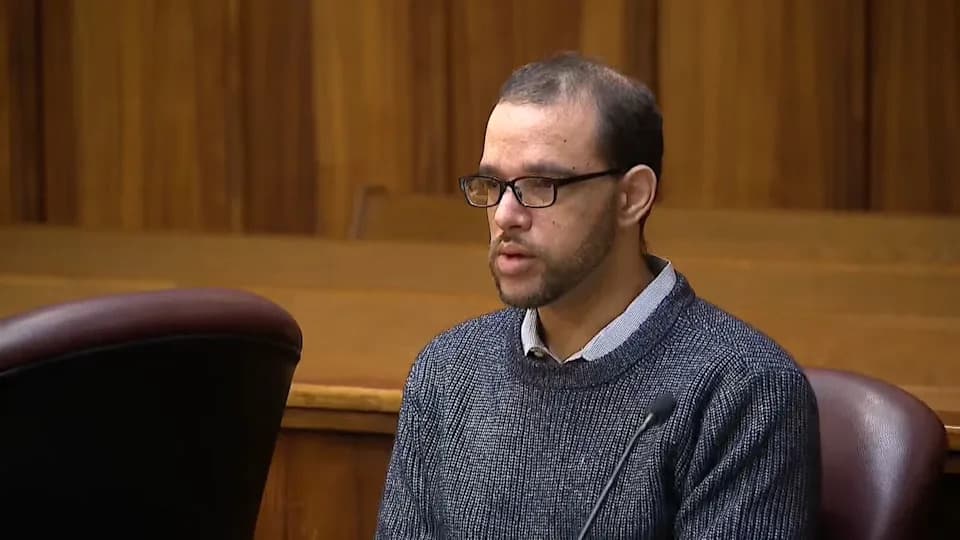
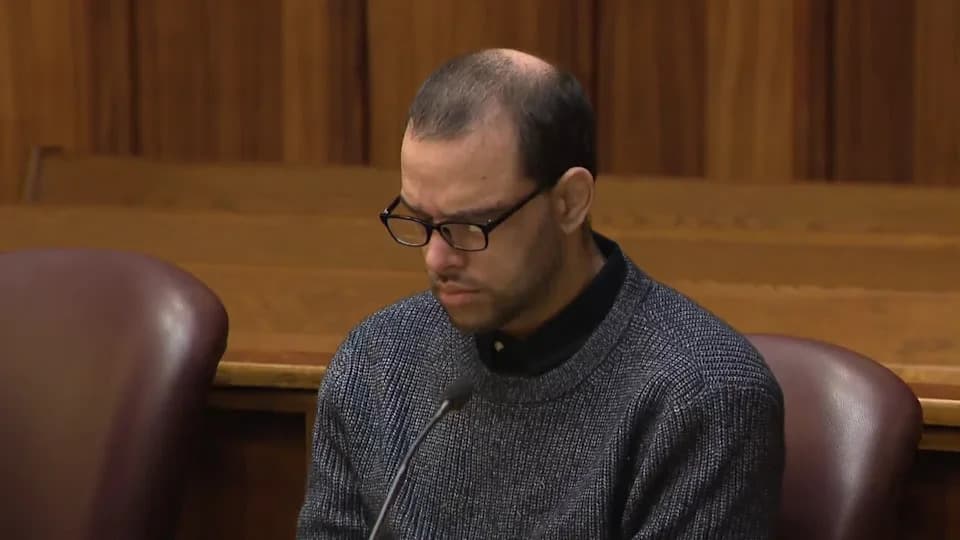
The California Sixth District Court of Appeal has vacated Antolin Garcia-Torres' 2017 conviction in the disappearance and presumed killing of 15-year-old Sierra LaMar, finding the joinder of unrelated attempted-kidnapping charges was prejudicial. The panel ruled there was insufficient evidence of willful, deliberate and premeditated murder, though it found sufficient proof of felony murder and that LaMar died due to a criminal act. Prosecutors had relied on DNA evidence tying Garcia-Torres to LaMar; officials are reviewing the opinion and considering next steps.
Appeals Court Vacates 2017 Conviction in Sierra LaMar Case, Cites Prejudicial Joinder of Charges

Sierra LaMarCredit: Santa Clara County Sheriff's Office
The California Sixth District Court of Appeal has vacated the 2017 conviction of Antolin Garcia-Torres in the 2012 disappearance and presumed killing of 15-year-old Sierra LaMar, clearing the path for a possible new trial.
On Friday, Feb. 27, the appellate panel set aside the judgment that had sentenced Garcia-Torres to life without the possibility of parole. The court concluded that joinder of unrelated attempted-kidnapping counts from an earlier case with the murder charge was erroneous and prejudicial, and that the error required reversal of all convictions.

Antolin Garcia-Torres (center)Credit: Santa Clara County Sheriff's Office
What the Court Found
The appeals court determined there was "insufficient evidence" to establish that Garcia-Torres committed a willful, deliberate and premeditated murder or had a specific intent to kill — elements required for first-degree, premeditated murder. However, the panel also found there was sufficient evidence to support a finding of felony murder and that LaMar's death resulted from a criminal act.
Evidence and Trial Background
LaMar vanished on the morning of March 16, 2012, while walking to Sobrato High School in Morgan Hill, California. Her body has never been recovered. At the 2017 trial in Santa Clara County, prosecutors relied heavily on DNA evidence to link Garcia-Torres to LaMar: investigators testified that LaMar's DNA was found inside his vehicle — including on a strand of hair wrapped around a rope, on a rear interior door handle and on the exterior of a pair of work gloves — and that Garcia-Torres' DNA was identified on clothing belonging to LaMar, which was recovered in a field near where she disappeared. Garcia-Torres was arrested on May 21, 2012.

Prosecutors used DNA evidence during the 2017 trial to prove that Garcia-Torres killed LaMar despite her body not being foundCredit: Santa Clara County Sheriff's Office
"What the court is saying is there was error in the original trial when they allowed these additional charges to come into Mr. Garcia-Torres, and they said that was prejudicial," legal analyst Steve Clark told KTVU. "[The additional charges] spilled over to him getting convicted of first-degree murder."
Reactions and Next Steps
The Santa Clara County District Attorney's Office said it had received the opinion and was reviewing it, and that it would continue to pursue justice for Sierra LaMar. The Santa Clara County Sheriff's Office expressed disappointment with the appellate decision but emphasized respect for the judicial review process, noting the ruling does not diminish the seriousness of the case or the original investigators' efforts. Both agencies indicated they are considering next steps, and the sheriff's office said it stands ready to support prosecutors in any further proceedings.
The reversal means Garcia-Torres is entitled to a new trial or other further proceedings consistent with the appellate ruling. Sierra LaMar's family has endured more than a decade of heartbreak and uncertainty; officials say the family remains central to ongoing efforts to seek accountability.
Note: The appellate decision separates the legal questions of whether evidence supports a premeditated murder conviction from whether sufficient evidence exists to show a death resulted from criminal conduct. The district attorney may seek retrial on charges consistent with the appellate panel's findings.
Help us improve.