
Armed men attacked St. Mary Catholic School in Papiri on Nov. 21, burning religious and national symbols before abducting 303 students and 12 staff. Fifty pupils escaped immediately; more than two weeks later, 100 children— including Onyeka Chieme—were freed while 153 students and the teachers remained captive. Survivors say captives were forced to sleep outdoors, sometimes blindfolded and tied, and were moved to avoid military aircraft. Ransoms are suspected though officials have given few details on rescue efforts.
“They Said They'd Shoot Us”: Nigerian Boy Recounts Mass Kidnapping of 303 Students in Papiri

Onyeka Chieme, a student of St. Mary's Catholic School, abducted by gunmen and later released, poses for a photograph at his house in Papiri, Nigeria, Wednesday, Dec. 10, 2025. (AP Photo/Afolabi Sotunde)(ASSOCIATED PRESS)
PAPIRI, Nigeria (AP) — In the pre-dawn hours of Nov. 21, armed men smashed through the gate of St. Mary Catholic School in Papiri, Niger State, jolting sleeping students from their dormitories and dragging hundreds into a mass abduction that shocked families and the nation.
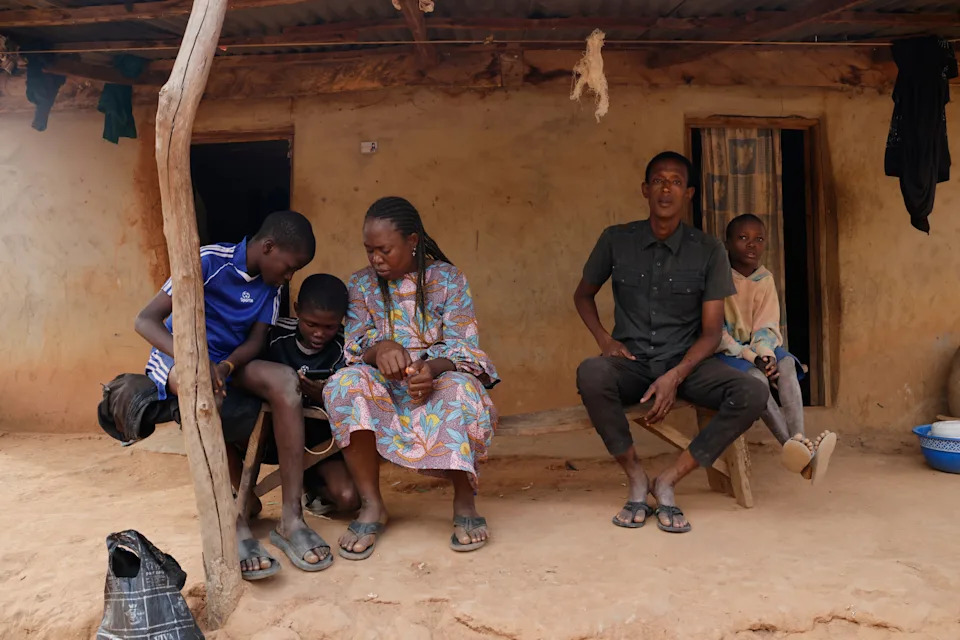
Precious Njikonye, centre, the mother of a student at St. Mary's Catholic School, who was abducted by gunmen and later released, sits outside her house in Papiri, Nigeria, Wednesday, Dec. 10, 2025. (AP Photo/Afolabi Sotunde)(ASSOCIATED PRESS)
Onyeka Chieme, a primary-school pupil who later was among those freed, described the chaos: children stumbling out into the compound, some captured immediately by gunmen on motorbikes. "They said if we ran, they would shoot us," he told The Associated Press during a visit to his family in Papiri.
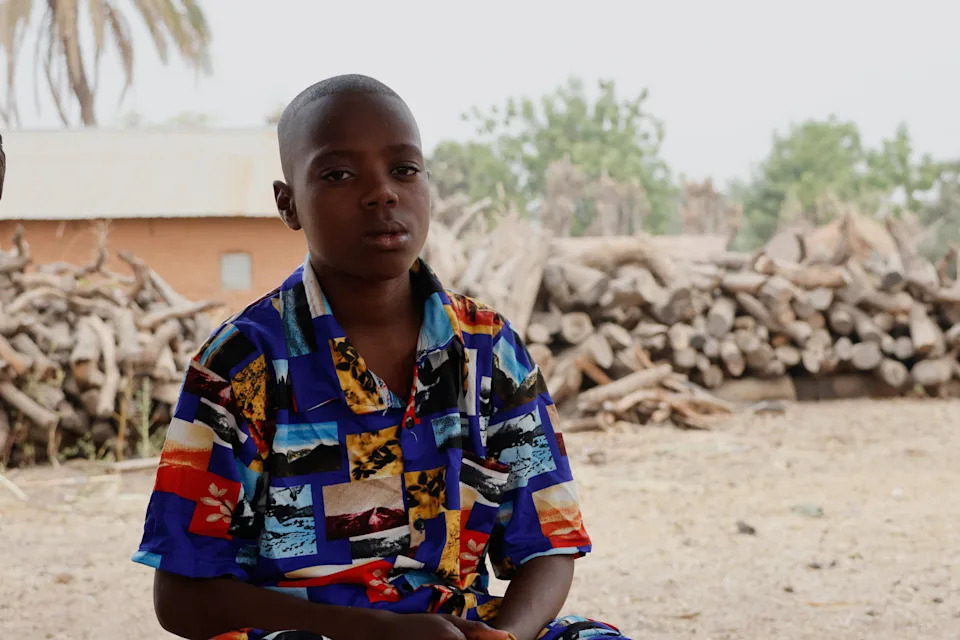
Onyeka Chieme, a student of St. Mary's Catholic School, who was abducted by gunmen and later released, speaks during an interview with The Associated Press in Papiri, in Nigeria, Wednesday, Dec. 10, 2025. (AP Photo/Afolabi Sotunde)(ASSOCIATED PRESS)
The attackers burned a statue of the Virgin Mary and a Nigerian flag before loading children and staff onto buses and motorbikes. In all, 303 students—many aged about 10 to 17—and 12 teachers were taken in what became one of Nigeria's largest mass school abductions. Fifty students escaped in the immediate aftermath.
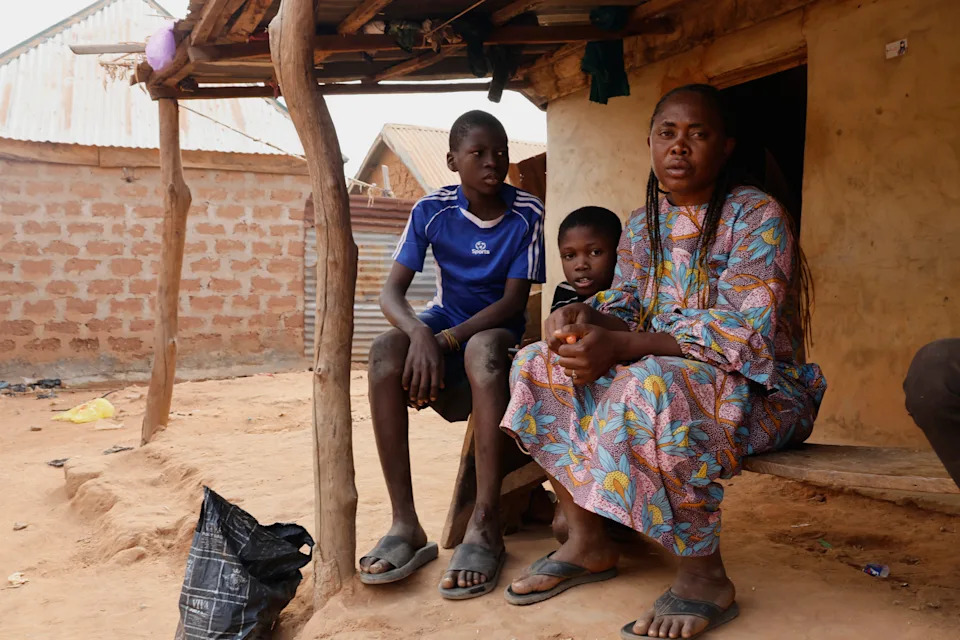
Precious Njikonye, right, the mother of a student at St. Mary's Catholic School, who was abducted by gunmen and later released, sits outside her house in Papiri, Nigeria, Wednesday, Dec. 10, 2025. (AP Photo/Afolabi Sotunde)(ASSOCIATED PRESS)
What Survivors Say
More than two weeks later, Onyeka was freed with 99 other students; 153 pupils and the abducted teachers remained in captivity. Survivors say captives slept outdoors in the bush, were often separated by age, and that older children were frequently blindfolded and had their hands bound. Food and water were provided from a nearby river, they said, while anyone who made noise risked beatings.
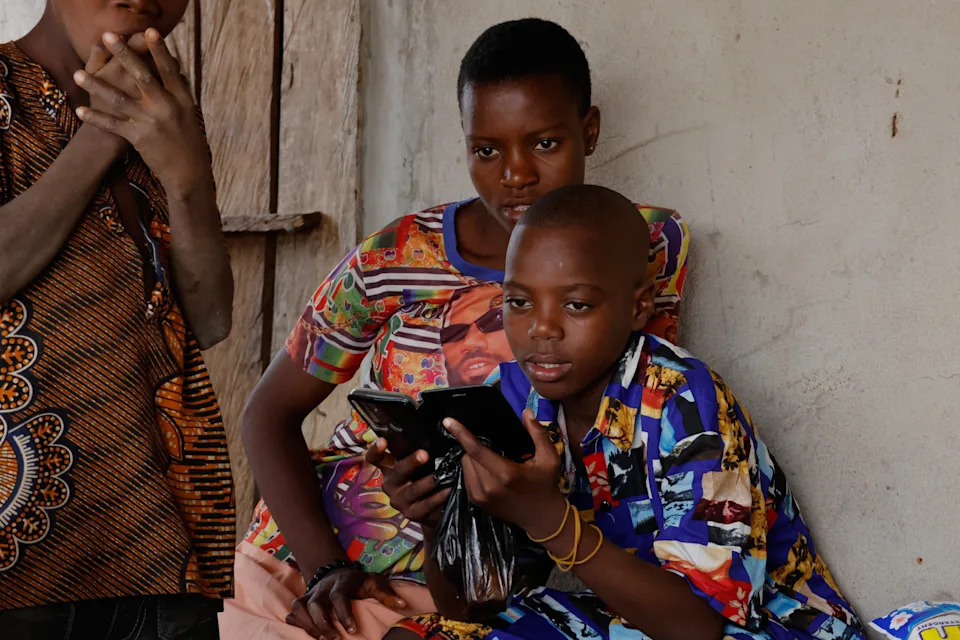
Onyeka Chieme, right, a student of St. Mary's Catholic School, who was abducted by gunmen and later released, checks a mobile phone in his house in Papiri, Nigeria, Wednesday, Dec. 10, 2025. (AP Photo/Afolabi Sotunde)(ASSOCIATED PRESS)
“They don’t want the airplanes to see us,” Onyeka said, referring to military aircraft conducting searches. Analysts and survivors say some kidnappers move hostages to avoid airstrikes and may use captives as shields.
Official Response And Context
The federal government has not disclosed how the released children were freed or whether any arrests were made. Arrests in such kidnappings are rare, and ransom payments are frequently suspected though officials rarely confirm them.
Nigeria is confronting multiple armed groups, including jihadist organizations such as Boko Haram and Islamic State West Africa Province, as well as loosely organized "bandit" gangs that carry out raids on motorbikes and abduct people for ransom. No group has claimed responsibility for the Papiri attack.
Wider Impact
Since 2014, nearly 1,800 schoolchildren have been abducted in multiple school attacks across Nigeria, including the internationally known Chibok kidnappings. The recurring raids have deepened parental fear and contributed to declining school attendance in insecure regions—compounding an already serious education crisis: Nigeria has the largest population of out-of-school children in the world, according to UNICEF.
Families' Reactions
“If he dies, I don't think I can survive it,” said Anthony Chieme, Onyeka’s father, speaking of his son who remains in captivity. Other parents described a mix of overwhelming relief for children returned and ongoing anguish for those still missing.
AP could not independently verify all details of survivors' accounts. The situation remains fluid as families await the fate of those still held.


