
New court declarations from more than 100 families detained at the South Texas Family Residential Center in Dilley allege prolonged confinement, sick and emotionally withdrawn children, limited safe drinking water and inadequate hygiene and medical care. Detainees also report that some ICE agents offered $1,000 to voluntarily depart the U.S. ICE and DHS say the facility meets federal standards and have described improvements such as water filters and softer lighting. The statements were filed under the Flores settlement and are part of ongoing court proceedings.
Exclusive: Families Describe Harrowing Conditions at Dilley ICE Family Facility, Court Filings Reveal

Signage is posted next to a phone at a phone bank at the ICE South Texas Family Residential Center, in Dilley, Texas, on August 23, 2019. - Eric Gay/AP
New court declarations filed by immigrant families paint a stark portrait of life inside the South Texas Family Residential Center in Dilley, Texas. The filings describe prolonged confinement, children who are ill or emotionally withdrawn, limited access to potable water, alleged medical neglect and reports that some detainees were offered cash incentives to leave the United States voluntarily.
Allegations From Detainees
More than 100 families provided sworn statements between May and November describing conditions at the facility, which housed roughly 160 families as of November. Parents and children reported being held for weeks while awaiting immigration proceedings, with many describing overcrowded rooms, constant lighting that prevents restful sleep, and food that some children would not eat. Several accounts describe children losing weight, appearing pale and listless, and withdrawing emotionally.
"It's a prison here — it is truly a living hell. All of the children here are suffering. The mothers are crying — especially for their children," said one detained mother identified by initials in the filings.
Health, Water and Hygiene Concerns
Detainees said tap water smelled bad and caused stomach pain, and that bottled water was effectively limited to purchases from the facility commissary. Several families said the soap and hygiene supplies provided were insufficient and that some children became ill after eating food they described as spoiled or contaminated. Attorneys who visited Dilley reported concerns including denied medical care and reports of worms and mold in food.
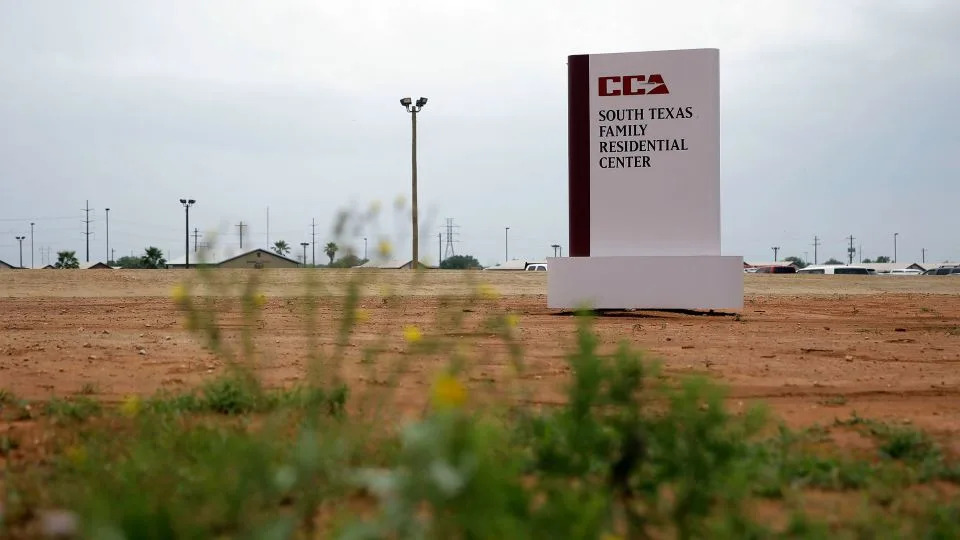
The entrance to the South Texas Family Residential Center in Dilley, Texas, on June 30, 2015. - Eric Gay/AP/File
Government Response and Reported Fixes
The Department of Homeland Security (DHS) and Immigration and Customs Enforcement (ICE) have said the facility meets federal detention standards and noted audits and inspections. In court filings, ICE reported several improvements at Dilley, including installation of Brita filters in housing units and replacement of some lighting with "soft white" bulbs, though lights reportedly remain on overnight. ICE also said detainees receive three meals a day, access to phones, clothing, bedding and certified dietitian review of menus.
Legal Context and Incentives to Leave
The declarations were filed in proceedings tied to the 1997 Flores settlement, which requires that children be released from government custody without unnecessary delay and sets standards for conditions of detention. Some declarations describe ICE staff offering financial incentives — reportedly a $1,000 stipend paid after return home — to encourage voluntary departure, and at least one detainee said she was not given a legal orientation explaining her rights.
Voices From Dilley
"My daughter has a completely different attitude now... she doesn't want to eat due to her emotions. She's always been a big eater," wrote a 26-year-old mother detained with her 5-year-old daughter.
Immigration attorneys say the detainee accounts contradict the government’s report to the court and have submitted declarations in direct response. The situation remains subject to ongoing litigation and oversight as families continue to pursue their immigration cases.
Note: This article summarizes allegations made in court filings and the government’s statements; allegations are reported as described in the declarations.


