Key takeaway: The U.S.-led war and related regional responses have substantially degraded the network of proxies and partners through which Iran projected power across the Middle East. Hamas and Hezbollah have been weakened, Syria’s role as a land bridge has been disrupted, Iraqi militias face rising domestic constraints, and only the Houthis retain significant disruptive capacity. As Gulf states deepen security cooperation and act more directly, Tehran increasingly finds itself on the defensive rather than shaping regional order.
From Ring of Fire to Ring of Embers: How War With the U.S. Eroded Iran’s Regional Network
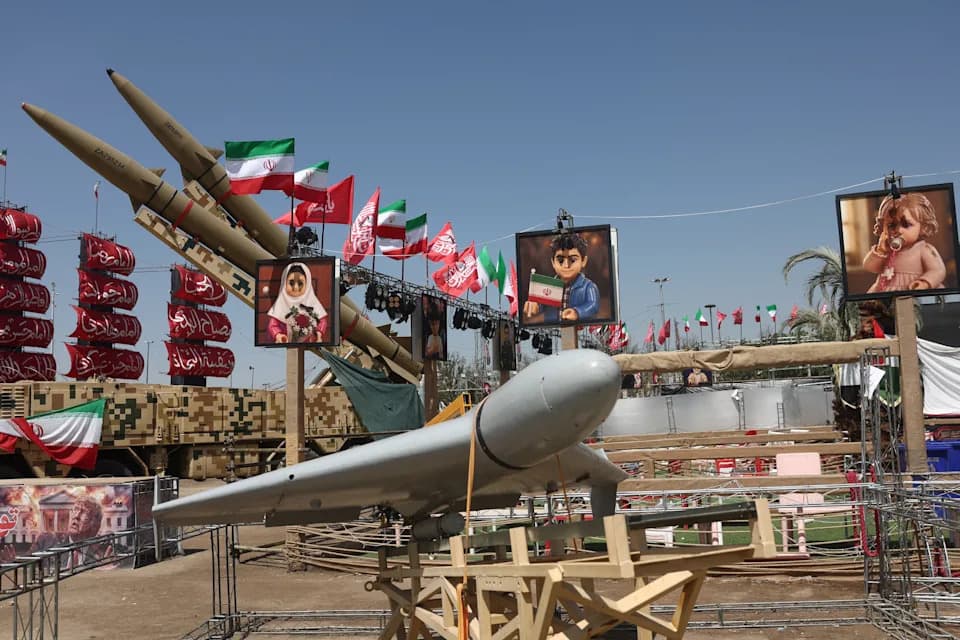
An Iranian drone and an Iranian missile system are displayed in Azadi Square in Tehran, Iran, on July 30, 2026.
For decades Tehran projected power across the Middle East not primarily through conventional forces but by cultivating a dense network of allied armed groups from Lebanon and Gaza to Syria, Iraq and Yemen. That constellation—promoted by Iranian leaders as the "axis of resistance" and described by outside observers as a "ring of fire"—enabled Tehran to threaten adversaries, expand influence and keep most fighting off its own soil.
A strategic approach that paid dividends
By relying on proxies and local partners, Iran gained strategic depth: Hamas menaced Israel from Gaza; Hezbollah positioned itself along Israel's northern border as Tehran's most capable regional proxy; Syria served as a logistical bridge to Lebanon and the Mediterranean; Iraqi militias extended influence westward; and the Houthis gave Iran leverage over a crucial maritime choke point.
What the war changed
While analyses of the U.S.-led war with Iran have understandably focused on Iran's nuclear program, missile forces and regime resilience, a major and underappreciated outcome has been the steady degradation of the network that allowed Tehran to project power regionally. The cumulative effect of targeted strikes, domestic upheaval in partner states and intensified regional countermeasures has reduced Iran's ability to operate indirectly at the scale it once did.
Hamas and Gaza
Hamas still controls parts of Gaza, but the group has lost many senior leaders and large portions of its military infrastructure. Israel's sustained operations in substantial areas of the Gaza Strip have sharply constrained Hamas's ability to rearm, reorganize and carry out the same degree of cross-border operations it once could.
Hezbollah and Lebanon
Hezbollah remains a potent force, but it is not the same organization it was before the Oct. 7, 2023 attacks. The group has suffered important leadership and commander losses, as well as attrition of weapons stockpiles and infrastructure. Domestically, Lebanon's economic collapse and popular exhaustion have increased pressure on Hezbollah, narrowing its political space and shifting its priorities toward preservation over expansion.
Syria’s strategic setback
Syria may be among the most consequential strategic losses for Tehran. For decades, the Assad government served as Iran's indispensable ally and the land bridge that connected Tehran to Hezbollah and the Mediterranean. The reported collapse of Bashar al-Assad’s administration and the emergence of a different political order have severely disrupted those supply lines, removing a central pillar of Iran's regional posture.
Iraq and rising nationalism
Iran-backed militias in Iraq continue to exert influence, but they now function in a more complicated environment—facing rising Iraqi nationalism, domestic political pressures and growing demands that armed groups be accountable to Baghdad rather than to Tehran.
The Houthis and maritime disruption
Of Tehran’s partners, the Houthis retain the greatest freedom to threaten commercial shipping and intermittently disrupt maritime trade. Even so, their actions have highlighted limits: they can create instability and impose costs on global commerce, but they cannot substitute for the political and logistical networks that once enabled Iran to shape broader regional order.
Regional realignments and the cost to Iran
Another significant shift is the reaction of Arab states. Years of accommodation are giving way to more assertive responses. Bahrain and Kuwait have reportedly launched strikes inside Iran; Saudi forces have taken action against Iranian-backed militias in Iraq; and the United Arab Emirates has provided reported intelligence support and air cover. Gulf states are deepening cooperation on missile defense, intelligence sharing and maritime security. In short, Iran’s attacks have pushed its adversaries closer together and closer to the United States.
Not a total collapse—but an important reversal. Iran retains a formidable missile arsenal, ongoing nuclear ambitions and the capacity to disrupt trade. But there is a difference between the ability to cause disruption and the ability to shape regional politics. Where Tehran once mostly operated offensively through proxies, it increasingly finds itself having to depend on its own territory and forces to sustain confrontation.
The "ring of fire" has not completely vanished, but its coherence and reach have been substantially reduced—more embers than an active blaze.
Aviva Klompas is CEO and cofounder of Boundless, a nonprofit focused on combating antisemitism, and host of the "Boundless Insights" podcast. This article originally appeared on USA TODAY.
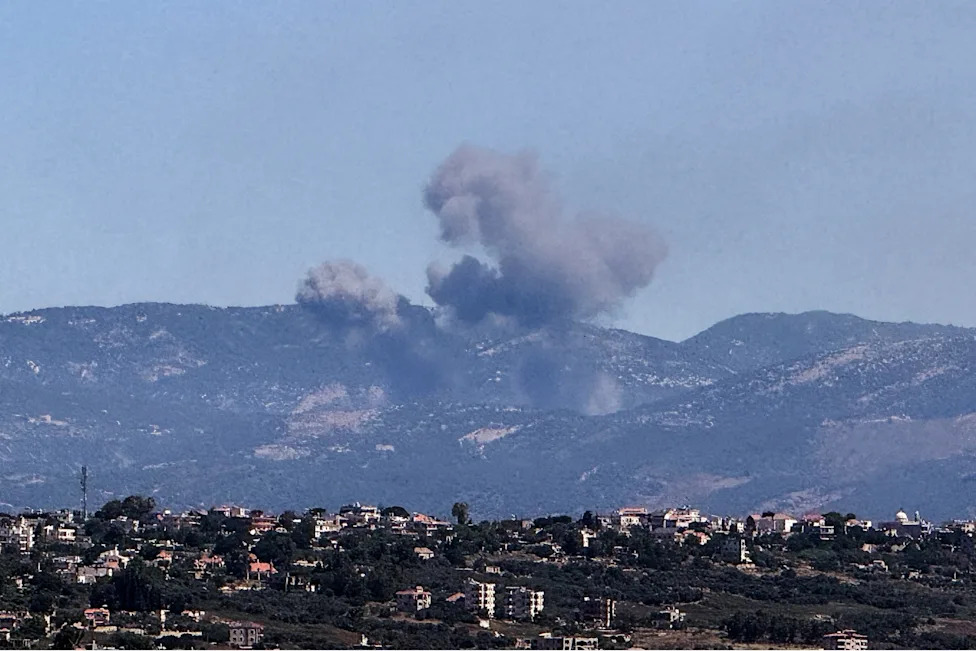
See the trail of devastation and grief left by theIran Warthat began on Feb. 28, 2026, when the United States and Israel launched joint airstrikes, known as Operation Epic Fury, targeting Iranian military and government sites.Pictured here, smoke rises in southern Lebanon following Israeli strike after a senior Israeli official told Reuters on Friday that Israel and Hezbollah were in a ceasefire, as long as Hezbollah does not attack Israel, as seen from the Israeli side of the Israel-Lebanon border, in northern Israel, June 20, 2026.(Avi Ohayon, Reuters)
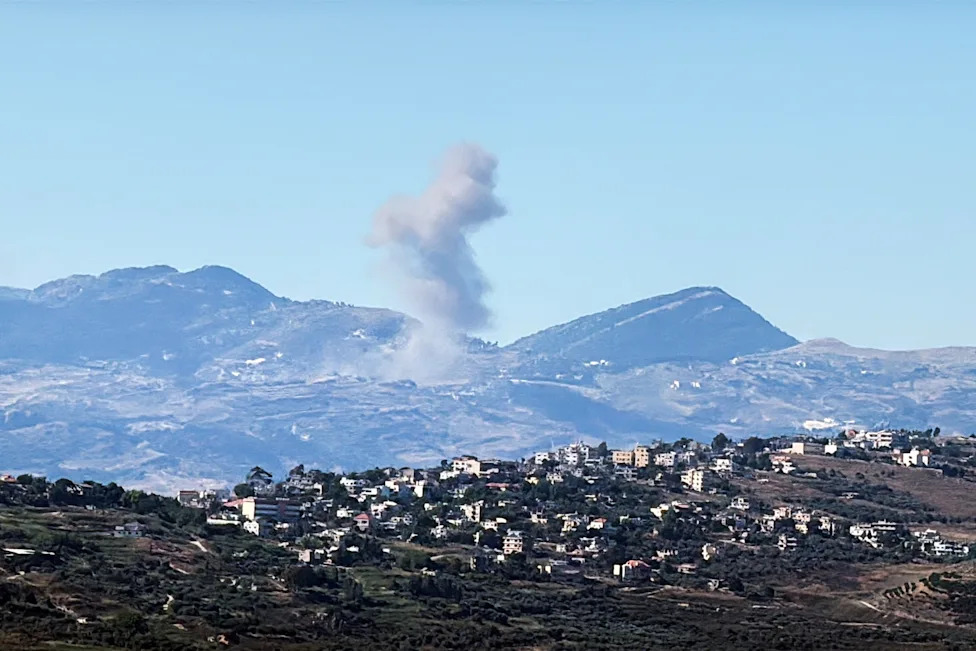
Smoke rises in southern Lebanon following Israeli strike after a senior Israeli official told Reuters on Friday that Israel and Hezbollah were in a ceasefire, as long as Hezbollah does not attack Israel, as seen from the Israeli side of the Israel-Lebanon border, in northern Israel, June 19, 2026.(Avi Ohayon, Reuters)
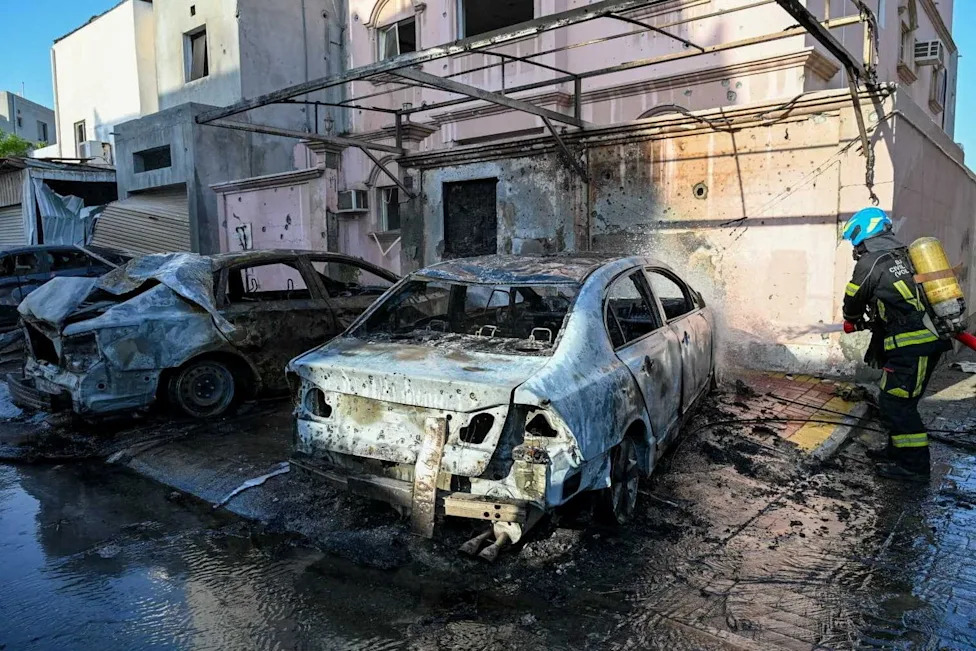
A firefighter works in the aftermath of Iranian drone attacks, according to Bahrain's Interior Ministry, at a location given as Bahrain, in this handout image released on June 11, 2026.(Ministry of Interior of the Kingdom of Bahrain, via Reuters)
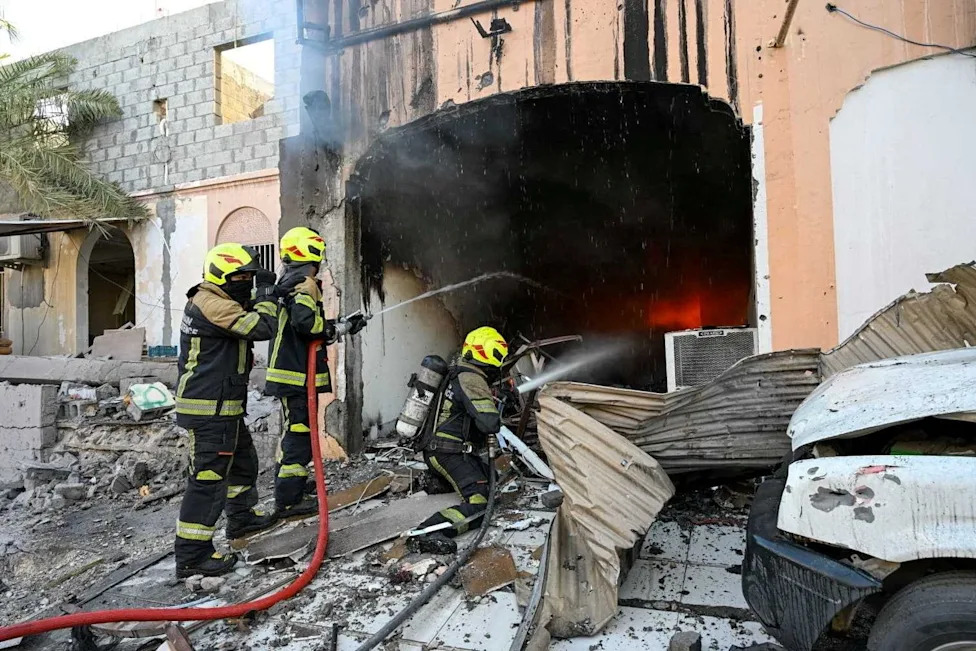
Firefighters work to extinguish fire in the aftermath of Iranian drone attacks, according to Bahrain's Interior Ministry, at a location given as Bahrain, in this handout image released on June 11, 2026.(Ministry of Interior of the Kingdom of Bahrain, via Reuters)
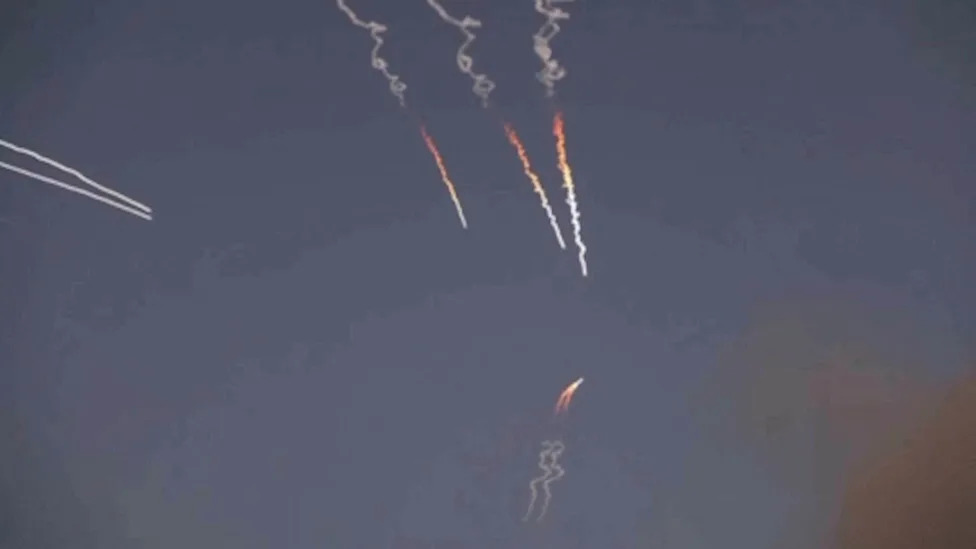
Iranian missiles are launched, as Iran's Revolutionary Guards said they had carried out attacks against a U.S. base in Jordan and 21 other targets in the Gulf on Wednesday in retaliation for American strikes around the Strait of Hormuz, from a location given as Tehran, Iran, released June 10, 2026, in this still image taken from a video.(WANA via Pool, via Reuters)

An Iranian missile is launched, as Iran's Revolutionary Guards said they had carried out attacks against a U.S. base in Jordan and 21 other targets in the Gulf on Wednesday in retaliation for American strikes around the Strait of Hormuz, from a location given as Tehran, Iran, released June 10, 2026, in this still image taken from a video.(WANA via Pool, via Reuters)
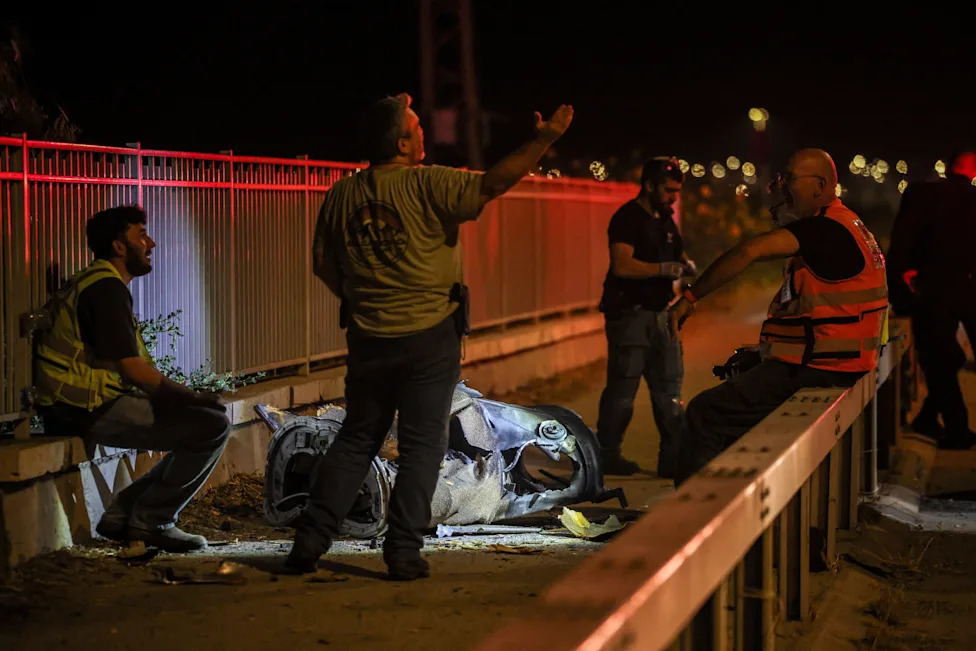
Israeli security and rescue personnel work next to a part of a projectile following a missile attack from Iran towards Israel in northern Israel, June 8, 2026.(Shir Torem, Reuters)
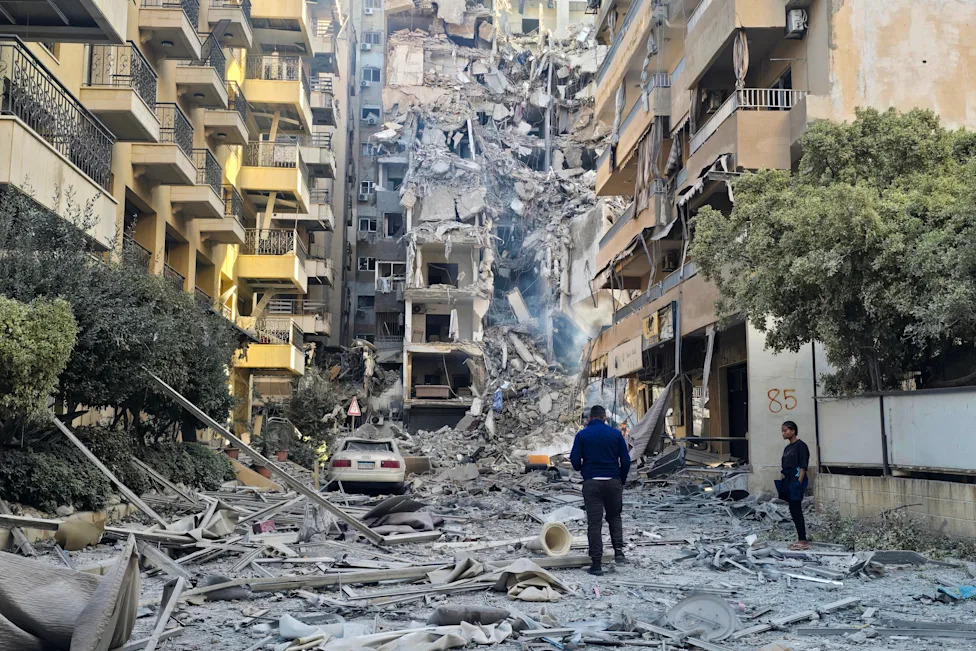
People look at the damages at the site of an Israeli strike in Tyre, southern Lebanon, on May 28, 2026. The Israeli military said on May 28 it had begun new strikes on Hezbollah infrastructure around the southern Lebanese city of Tyre after issuing an evacuation warning to its residents.(KAWNAT HAJU, AFP via Getty Images)
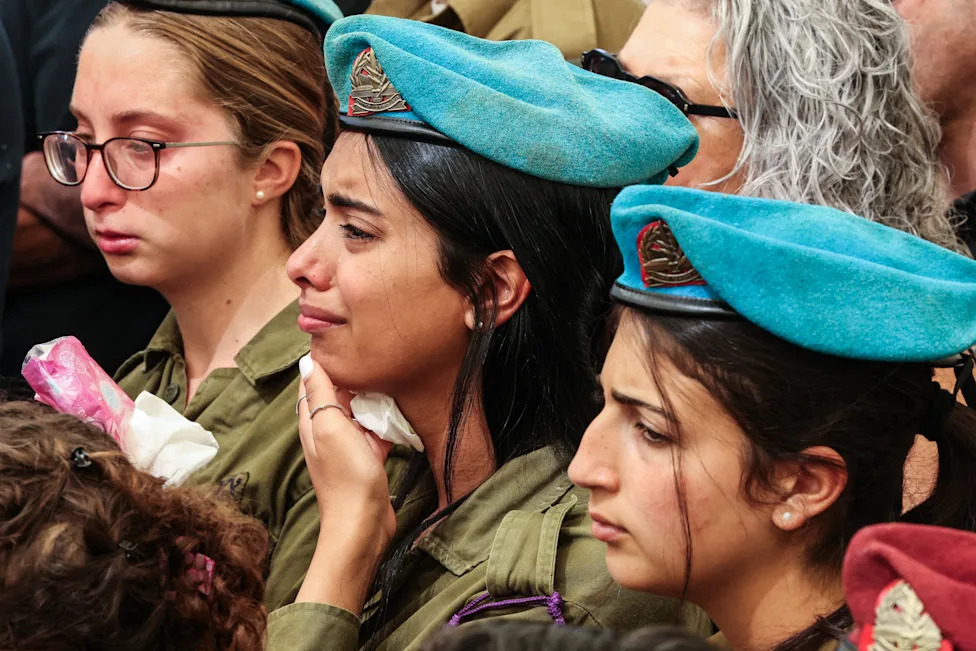
Israeli army comrades attend the funeral of Israeli soldier Sergeant Rotem Yanai, a service conditions NCO soldier in the 435th Battalion, Givati Brigade, who was killed in a drone attack launched from Lebanon onto northern Israel, in Giv'at Ada on May 28, 2026. The Israeli military said on May 28, that a soldier was killed the day before by a Hezbollah drone near the Lebanon border, taking to 24 the number of its troops killed in the war with the Iran-backed group. A military statement named her as 20-year-old Sergeant Rotem Yanai, who "fell during operational activity in northern Israel".(JACK GUEZ, AFP via Getty Images)
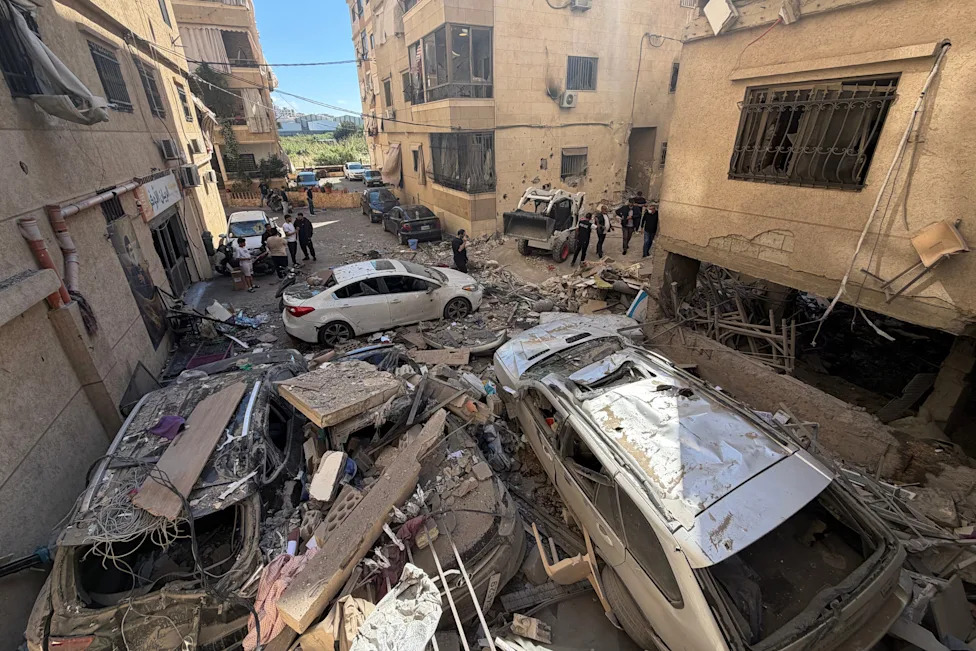
Rescue workers and local residents inspect the damage to a building following an Israeli air strike in the Choueifat area, south of Beirut on the outskirts of the capital's southern suburbs, on May 28, 2026. A Lebanese military source told AFP that an Israeli strike hit an apartment south of Beirut on May 28, shortly after Israel's military said it launched a strike on the capital. The Israeli military said it launched an airstrike on the Lebanese capital Beirut after earlier strikes on the country's south killed at least 12 people, including two children, and wounded 21 others.(IBRAHIM AMRO, AFP via Getty Images)
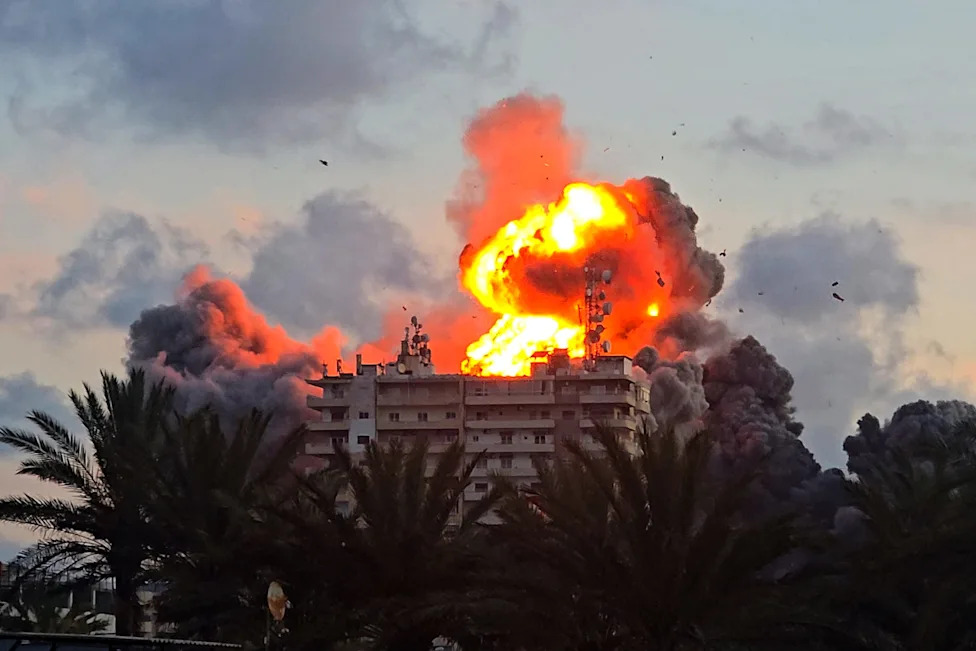
A fireball erupts from a building following an Israeli strike in Tyre, southern Lebanon, on May 28, 2026. The Israeli military said on May 28 it had begun new strikes on Hezbollah infrastructure around the southern Lebanese city of Tyre after issuing an evacuation warning to its residents.(KAWANT HAJU, AFP via Getty Images)
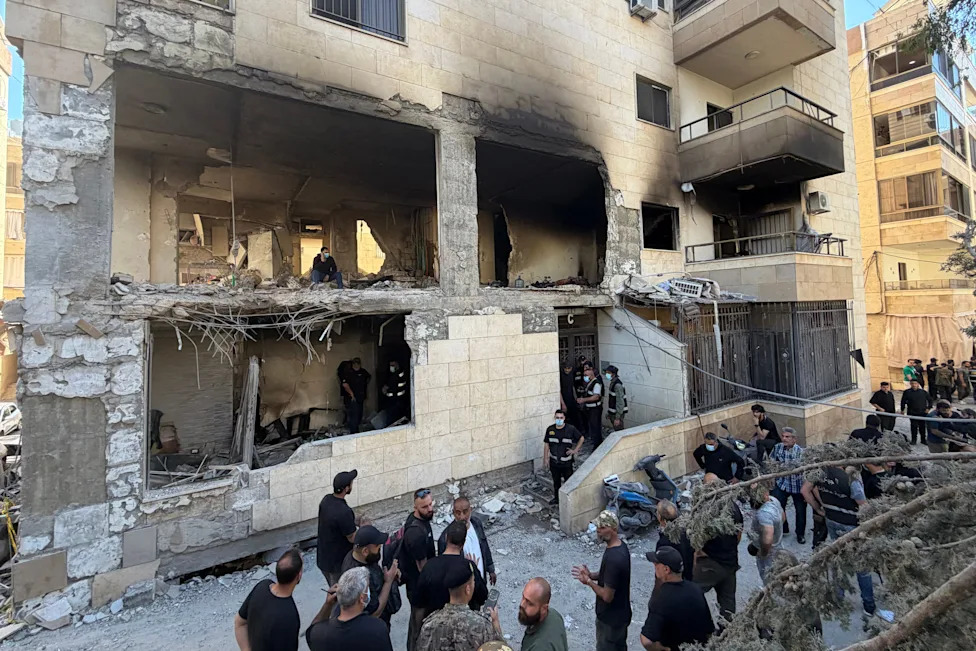
Rescue workers and local residents inspect the damage to a building following an Israeli air strike in the Choueifat area, south of Beirut on the outskirts of the capital's southern suburbs, on May 28, 2026. A Lebanese military source told AFP that an Israeli strike hit an apartment south of Beirut on May 28, shortly after Israel's military said it launched a strike on the capital. The Israeli military said it launched an airstrike on the Lebanese capital Beirut after earlier strikes on the country's south killed at least 12 people, including two children, and wounded 21 others.(IBRAHIM AMRO, AFP via Getty Images)
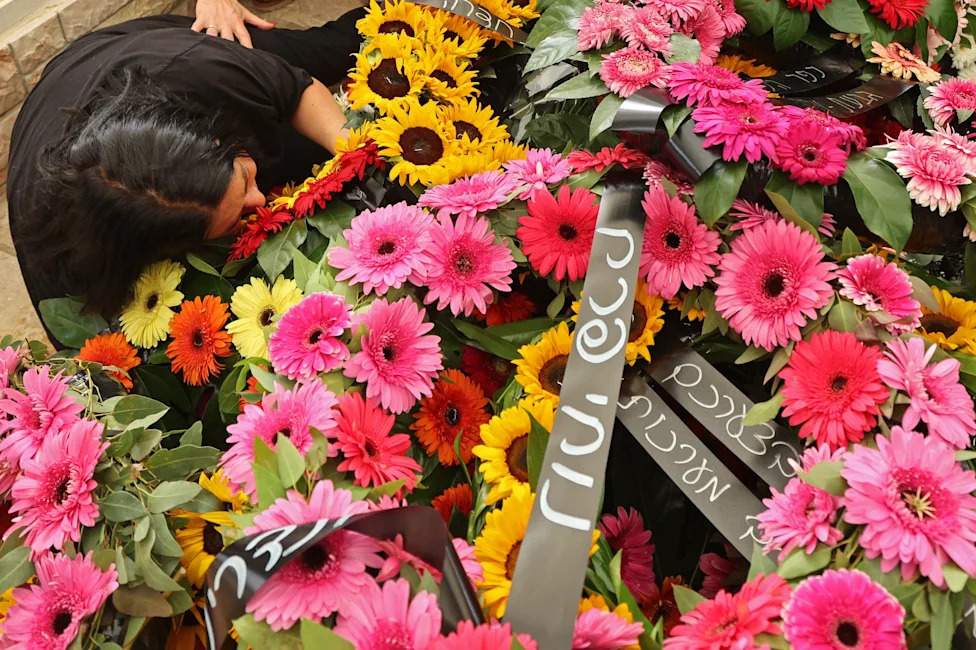
The mother grieves next to the grave of Israeli Sergeant Rotem Yanai, a service conditions NCO in the 435th Battalion of the Givati Brigade, who was killed in a drone attack launched from Lebanon into northern Israel, after her funeral in Givat Ada on May 28, 2026. The Israeli military said on May 28, that a soldier was killed the day before by a Hezbollah drone near the Lebanon border, taking to 24 the number of its troops killed in the war with the Iran-backed group. A military statement named her as 20-year-old Sergeant Rotem Yanai, who "fell during operational activity in northern Israel."(JACK GUEZ, AFP via Getty Images)
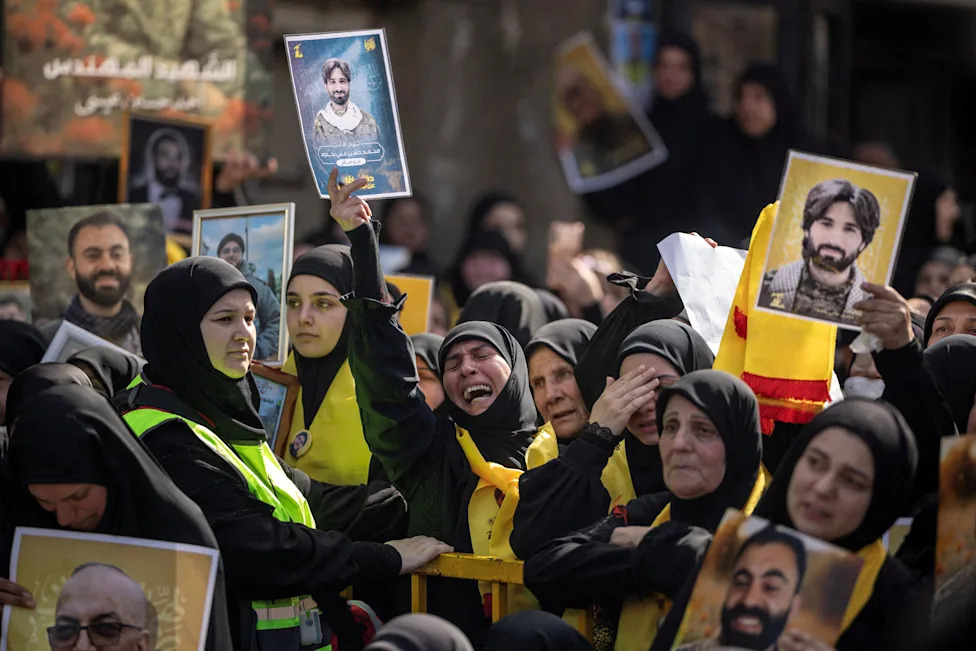
Mourners attend the funeral of people, including Hezbollah members, who were killed during the conflict with Israel before a 10-day ceasefire between Lebanon and Israel went into effect, in Kfar Sir, Lebanon, April 21, 2026.(Marko Djurica, REUTERS)
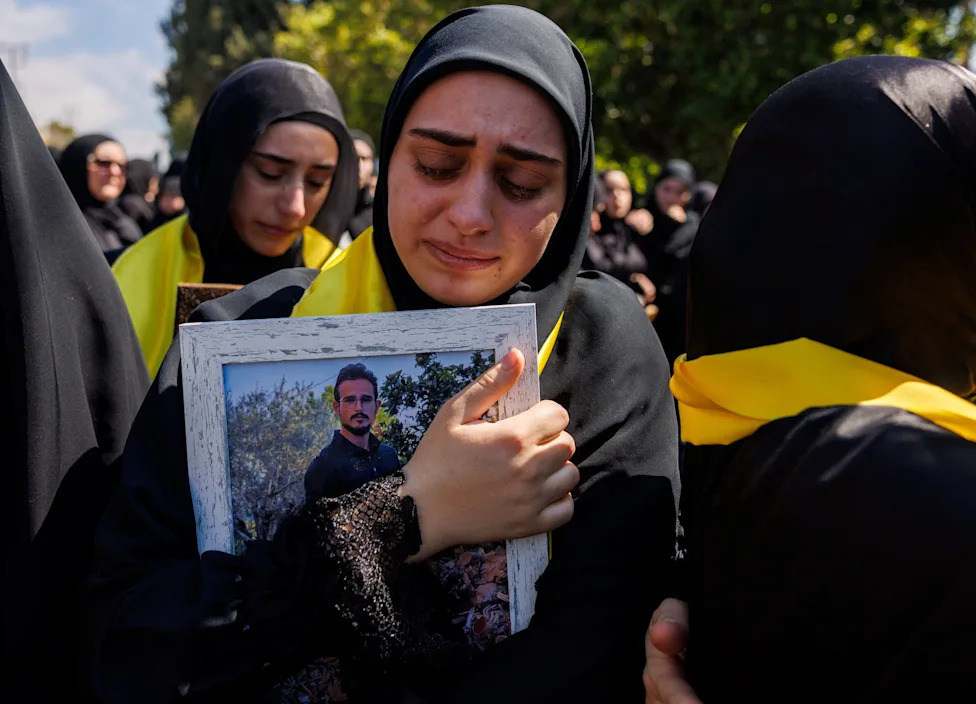
A woman mourns her relative Ali Ballout, a civil defence member killed during the conflict with Israel and exhumed from a temporary grave, during his funeral in his home village, amid a 10-day ceasefire between Lebanon and Israel, in Aitit village, southern Lebanon, April 22, 2026.(Zohra Bensemra, REUTERS)
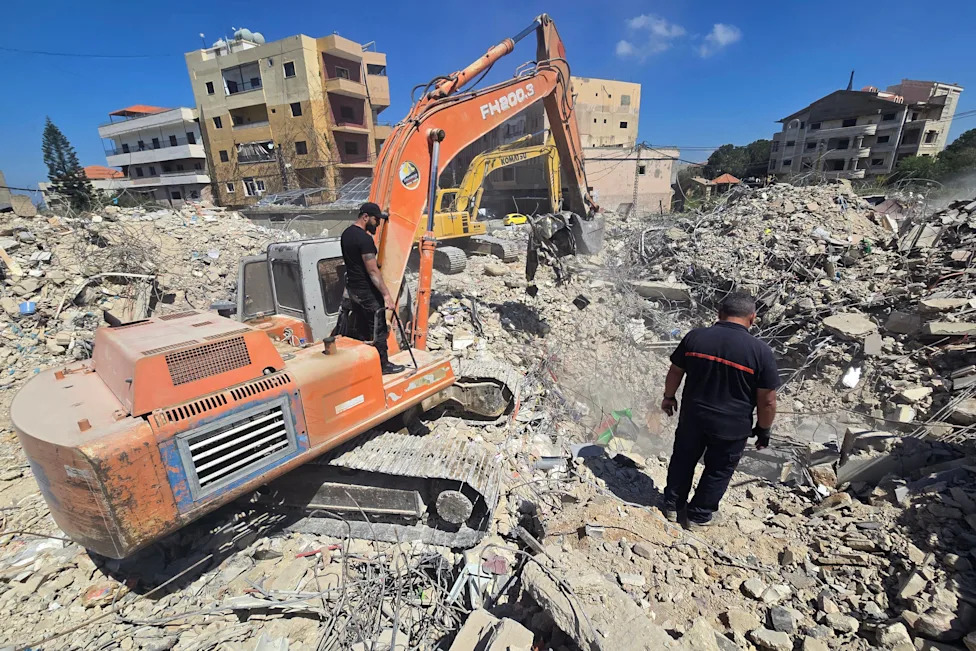
Diggers are used by rescue teams working to remove the rubble from a building previously hit by the Israeli army, in the southern Lebanese village of Hanaouay on April 22, 2026. Israel and Lebanon, which have no diplomatic relations, will hold fresh talks in Washington on April 23, 2026, a State Department official told AFP. Israel conducted huge airstrikes across Lebanon and invaded the south after Hezbollah entered the Middle East war in support of its backer Iran on March 2.(KAWNAT HAJU, AFP via Getty Images)
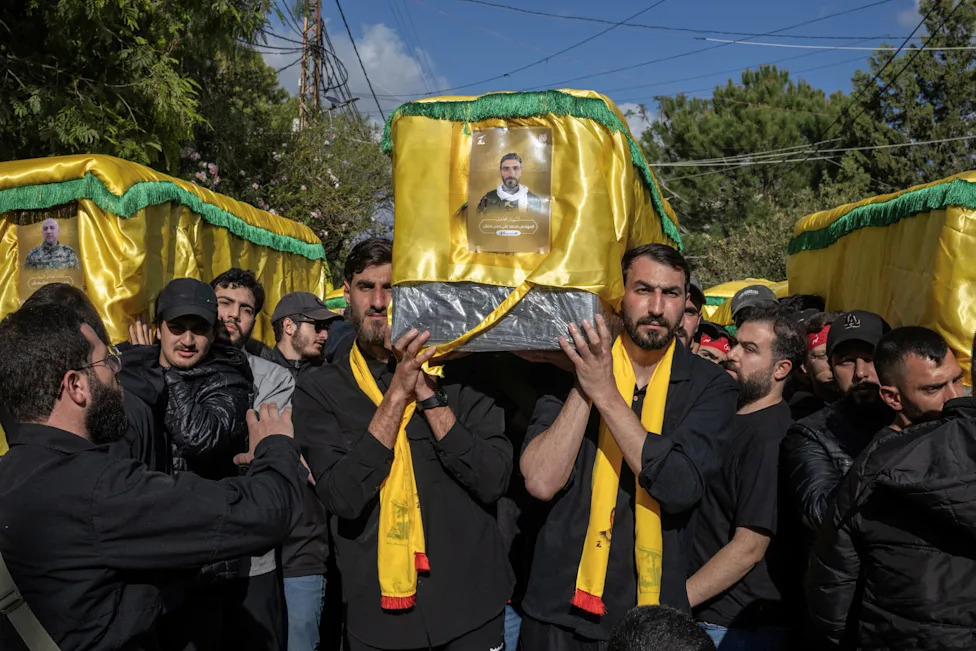
Mourners attend the funeral of people, including Hezbollah members, who were killed during the conflict with Israel before a 10-day ceasefire between Lebanon and Israel went into effect, in Kfar Sir, Lebanon, April 21, 2026.(Marko Djurica, REUTERS)
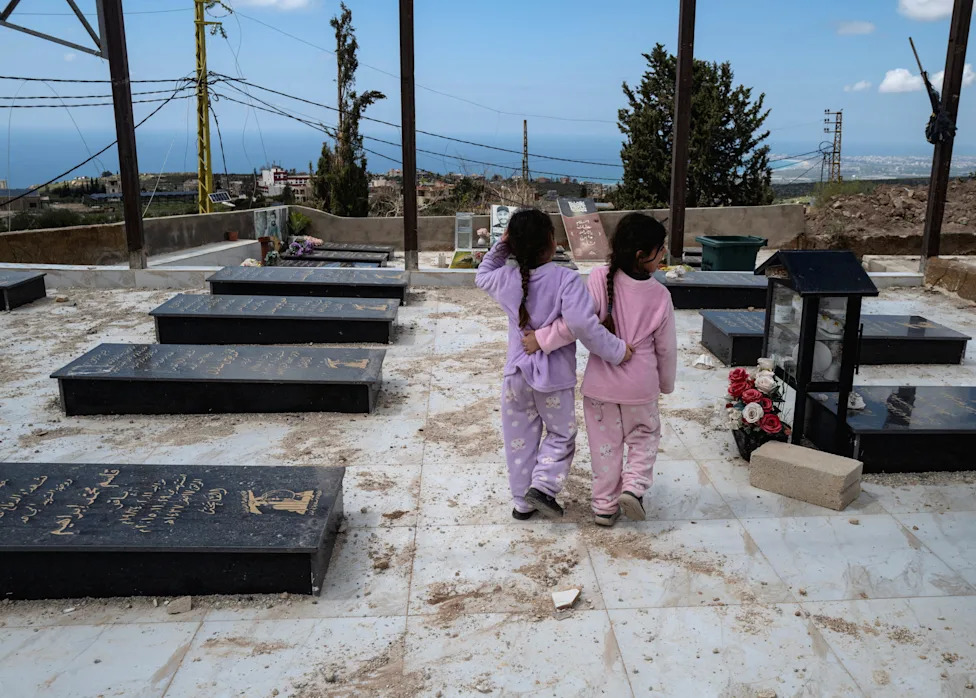
Girls, who were displaced and returned during the 10-day ceasefire, walk near the graves of Hezbollah fighters killed by an Israeli strike as they visit the cemetery where their grandfather is buried, in Majdelzon village, southern Lebanon, April 21, 2026.(Zohra Bensemra, REUTERS)
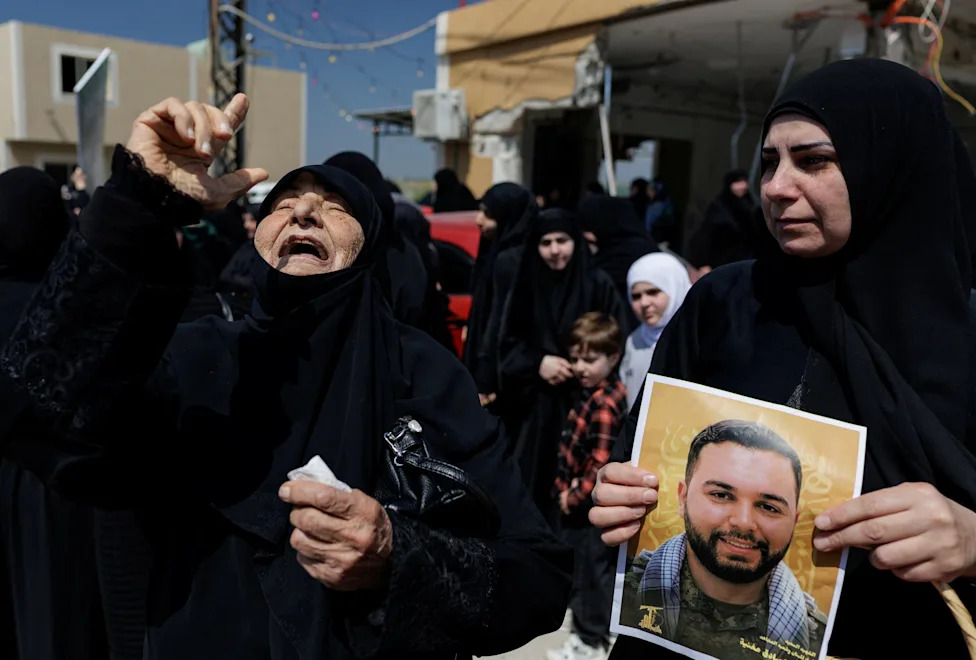
Zahra Abukhalil mourns her husband, Mahmoud Reda Abukhalil, a Hezbollah fighter killed during the conflict with Israel, during his funeral, amid a 10-day ceasefire between Lebanon and Israel, in Aitit, southern Lebanon, April 22, 2026.(Zohra Bensemra, REUTERS)
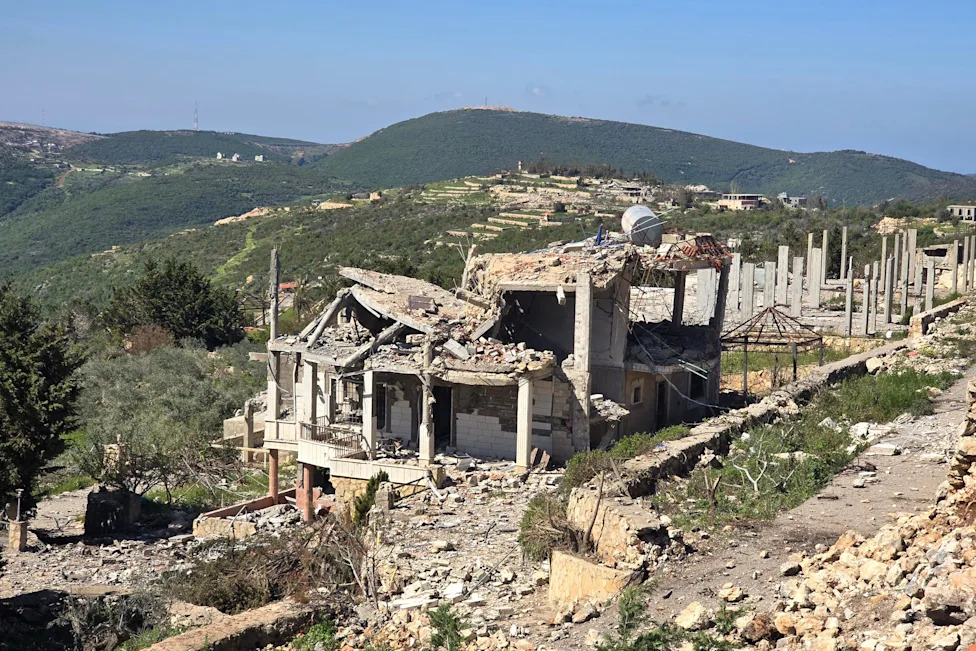
Rubbles and debris are strewn along the road at the site of a home destroyed by the Israeli army in the southern Lebanese village of Beit Lif, in the Bint Jbeil district on April 22, 2026. Israel's foreign minister on April 22, urged Beirut to make joint efforts with Israel to counter the Lebanese armed group Hezbollah, ahead of talks between the countries set to resume in Washington. On February 28, Israel and the United States launched strikes on Iran, killing its supreme leader and triggering a war that spread across the Middle East, with Lebanon's Hezbollah entering the fray on March 2.(KAWNAT HAJU, AFP via Getty Images)
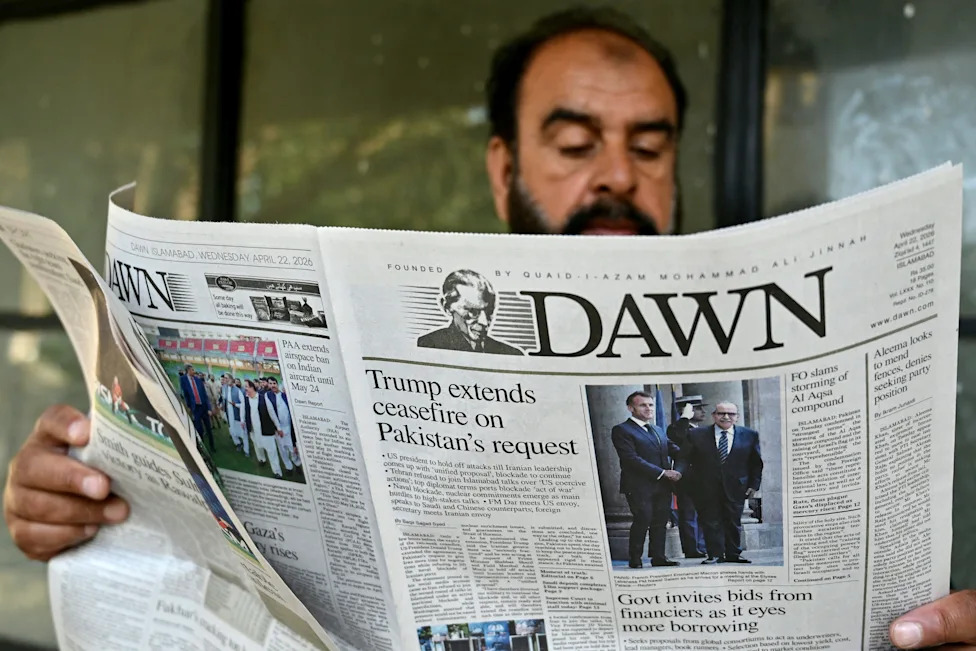
A man reads a newspaper with a front page article referring to anticipated US-Iran peace talks, at a stall in Islamabad on April 22, 2026. Pakistani Prime Minister Shehbaz Sharif thanked US President Donald Trump for extending a ceasefire with Iran and indefinitely pushing back the end of the two week truce, with Tehran silent on the decision early on April 22.(ASIF HASSAN, AFP via Getty Images)
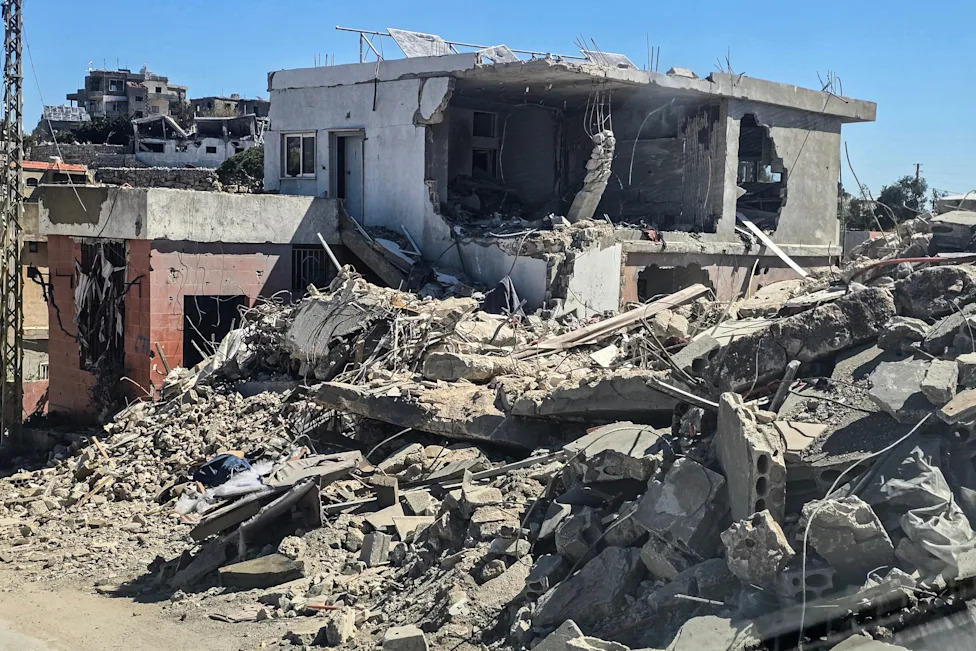
The remains of a home is destroyed by the Israeli army in the southern Lebanese village of Beit Lif, in the Bint Jbeil district on April 22, 2026. Israel's foreign minister on April 22, urged Beirut to make joint efforts with Israel to counter the Lebanese armed group Hezbollah, ahead of talks between the countries set to resume in Washington. On February 28, Israel and the United States launched strikes on Iran, killing its supreme leader and triggering a war that spread across the Middle East, with Lebanon's Hezbollah entering the fray on March 2.(KAWNAT HAJU, AFP via Getty Images)
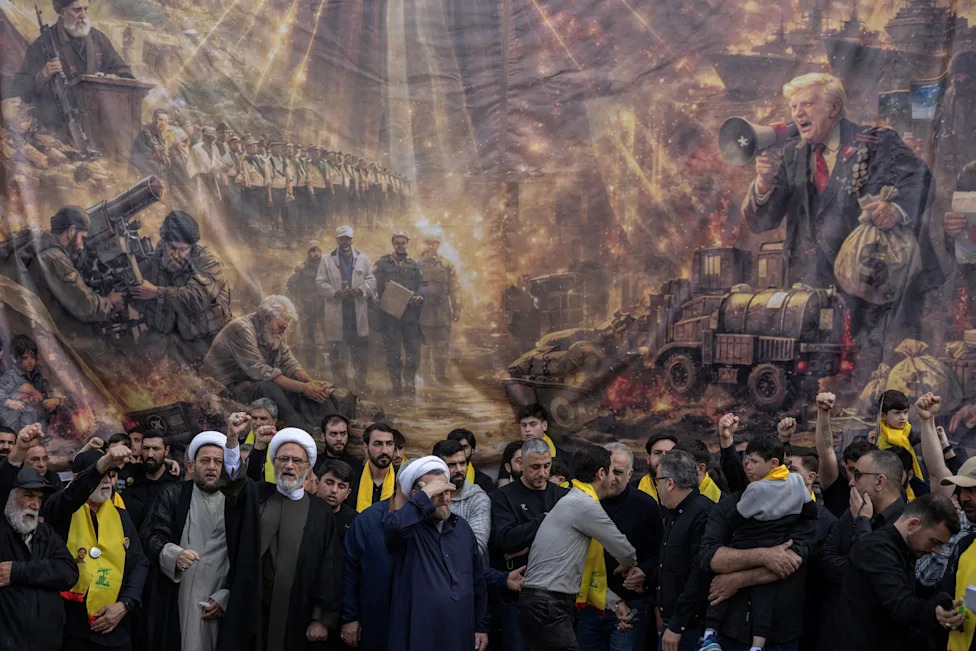
Mourners attend the funeral of people, including Hezbollah members, who were killed during the conflict with Israel before a 10-day ceasefire between Lebanon and Israel went into effect, in Kfar Sir, Lebanon, April 21, 2026.(Marko Djurica, REUTERS)
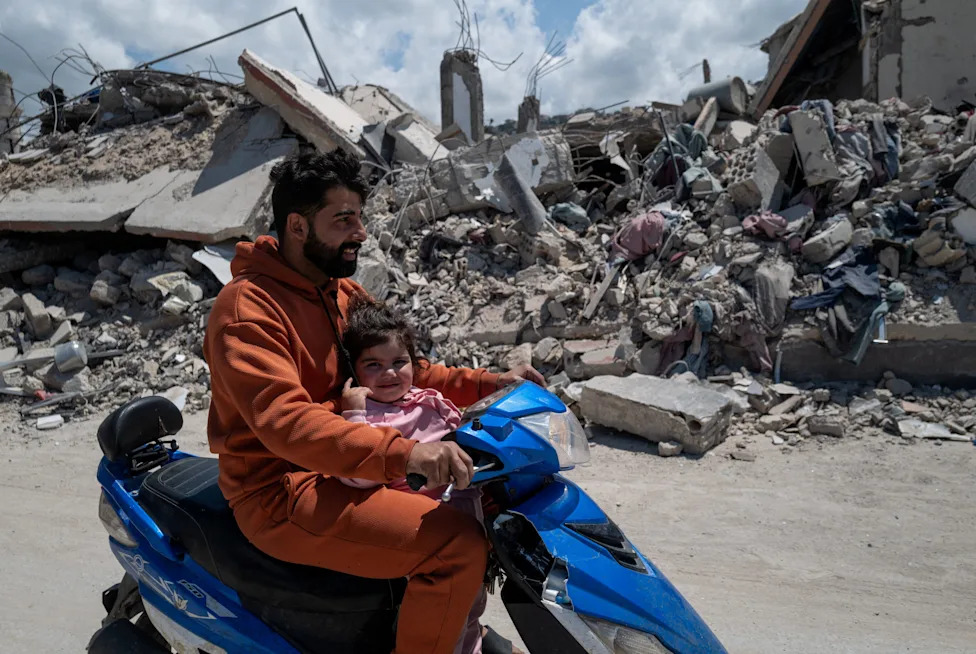
Mhamed, 34, and Taline 2.5 years old, ride a motorcycle past buildings damaged by an Israeli strike in Mansouri village, southern Lebanon, amid a 10-day ceasefire between Lebanon and Israel, April 21, 2026.(Zohra Bensemra, REUTERS)
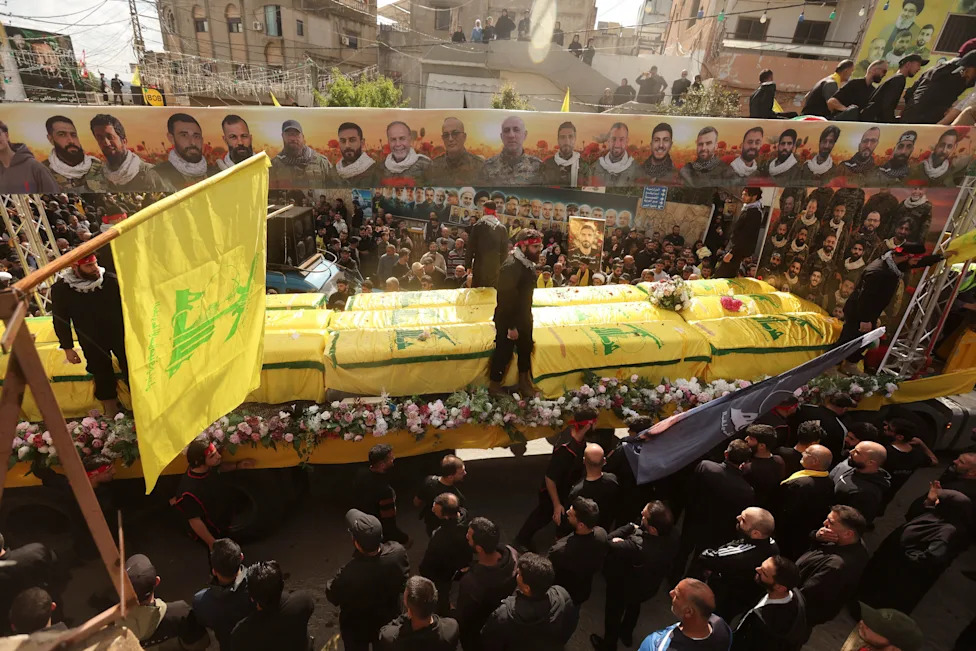
Mourners attend the funeral of people, including Hezbollah members, who were killed during the conflict with Israel before a 10-day ceasefire between Lebanon and Israel went into effect, in Kfar Sir, Lebanon, April 21, 2026.(Aziz Taher, REUTERS)
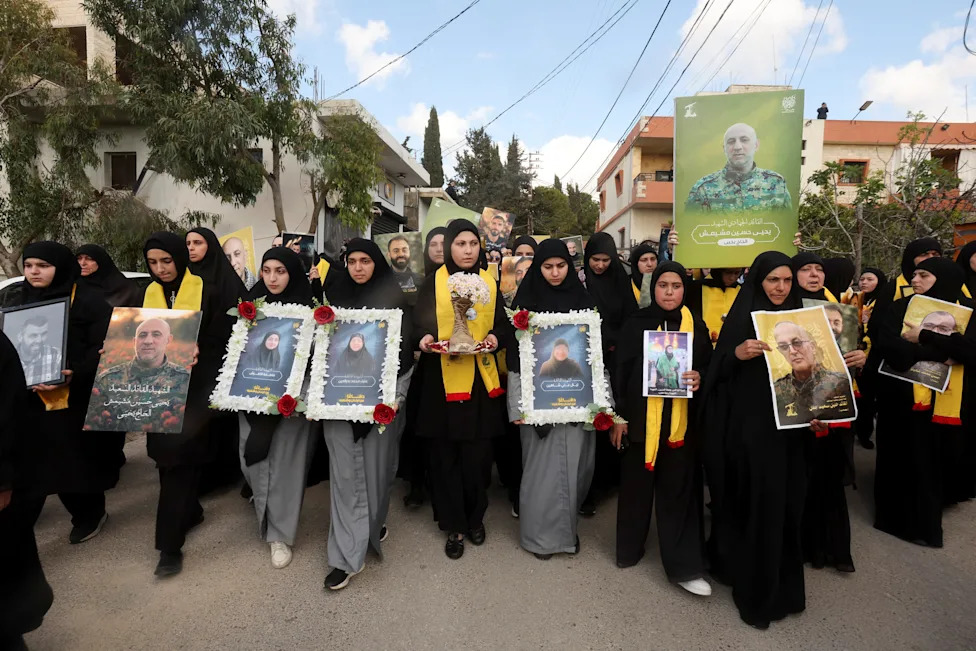
Mourners attend the funeral of people, including Hezbollah members, who were killed during the conflict with Israel before a 10-day ceasefire between Lebanon and Israel went into effect, in Kfar Sir, Lebanon, April 21, 2026.(Aziz Taher, REUTERS)
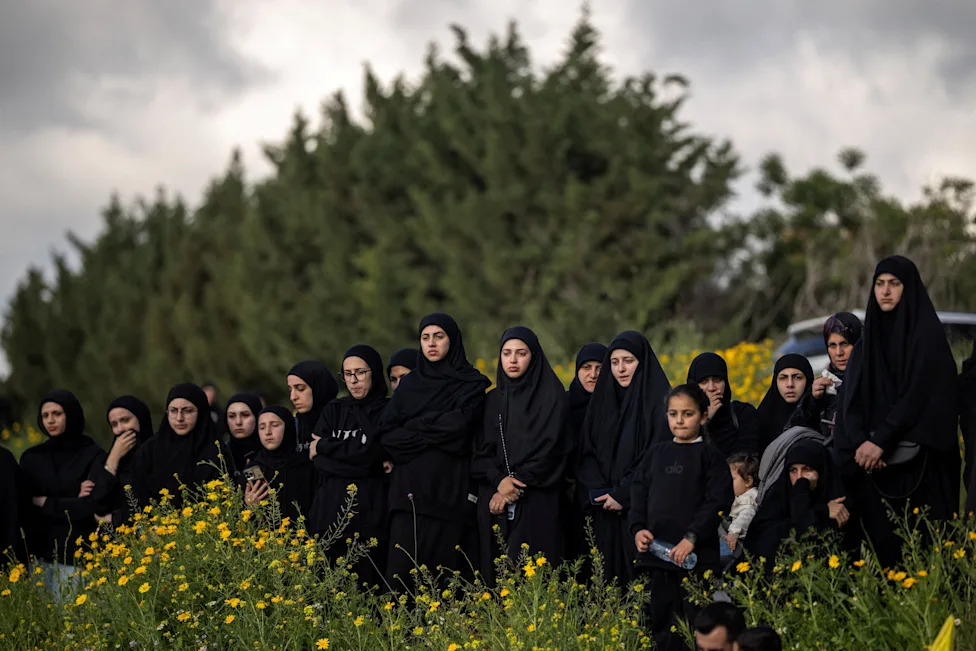
Mourners attend the funeral of people, including Hezbollah members, who were killed during the conflict with Israel before a 10-day ceasefire between Lebanon and Israel went into effect, in Kfar Sir, Lebanon, April 21, 2026.(Marko Djurica, REUTERS)
Help us improve.