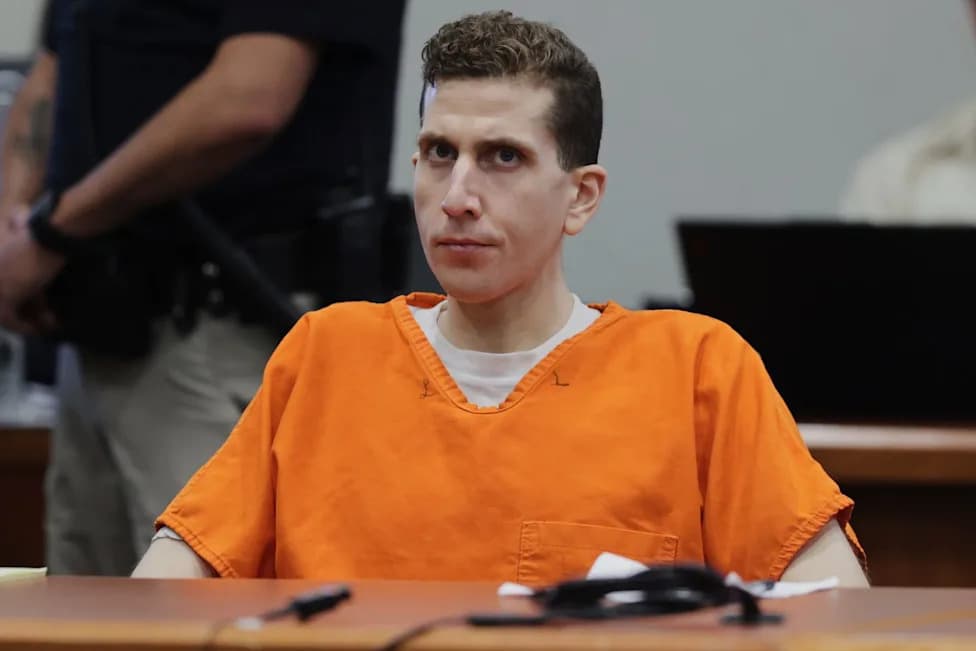
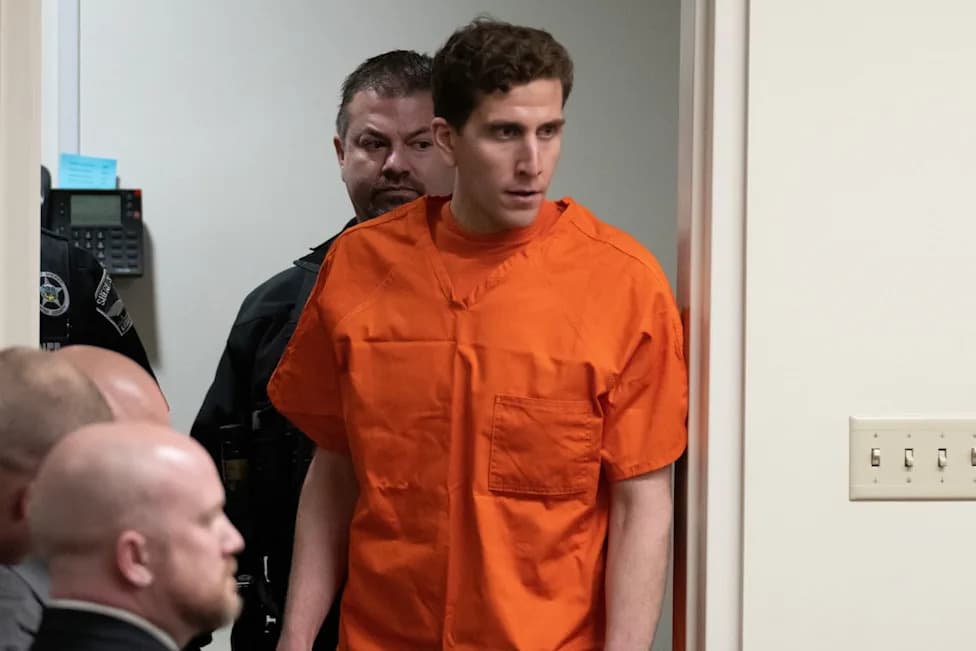
Summary: The court unsealed a February 2025 neuropsychological evaluation showing Bryan Kohberger was diagnosed with Autism Spectrum Disorder (Level 1), OCD, ADHD and ARFID, and that he previously met criteria for additional disorders including anorexia nervosa and an opioid-use disorder now in sustained remission. The report, authored by Dr. Rachel Lawson Orr after six sessions and family interviews, documents restricted facial expression, atypical social behavior, impulsivity and limited insight. The defense says the findings are mitigating; prosecutors argued they could be aggravating. Kohberger pleaded guilty to four murders in July 2025 and later sought to withdraw his plea in July 2026.
Unsealed Neuropsych Report: Bryan Kohberger Diagnosed With Autism, OCD, ADHD And ARFID; Past Anorexia Recorded
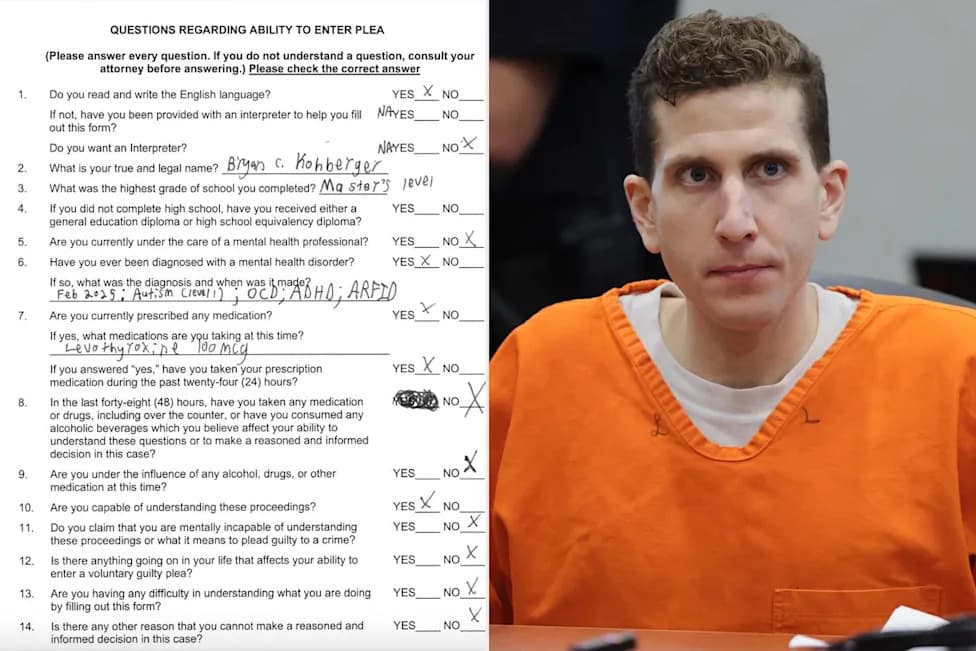
Bryan Kohberger (right) revealed his 'mental health disorders' in 2025 (document left)Credit: State of Idaho; Kyle Green-Pool/Getty
A February 2025 neuropsychological evaluation that had been sealed by the court was recently unsealed, revealing that Bryan Kohberger was diagnosed with four current mental-health conditions — Autism Spectrum Disorder (Level 1), Obsessive-Compulsive Disorder (OCD), Attention-Deficit/Hyperactivity Disorder (ADHD) and Avoidant/Restrictive Food Intake Disorder (ARFID) — and that he previously met criteria for additional disorders, including anorexia nervosa.
The evaluation was prepared by Rachel Lawson Orr, PsyD, ABPP-CN, an expert retained by Kohberger’s defense team and provided to the court by defense attorney Anne Taylor. Orr examined Kohberger across six sessions over roughly three months, combining standardized testing, clinical interviews and collateral interviews with his parents and two sisters.
Context: The defense commissioned the evaluation amid a dispute with prosecutors over whether Kohberger’s developmental and mental-health conditions should be treated as mitigating or aggravating factors. In a motion in limine, defense counsel argued that labeling Kohberger’s conditions as aggravators risked “ciminalizing his status as a disabled person.” The defense also said the report was prepared to allow Orr to respond to prosecutorial claims if called to testify, not to pursue an insanity or mental-incapacity defense.
Observed Behaviors and Clinical Findings

Anne Taylor (left) had the expert speak with Kohberger's mother (center) and sister (right)Credit: AP Photo/Drew Nash
Orr’s report documents a pattern of social-communication differences and atypical behaviors observed directly during testing and corroborated by family members. Key clinical observations included a “restricted range of facial expression, with stoic effect at baseline,” minimal or inconsistent social smiling, and frequent eyebrow furrowing during casual conversation. Orr described impulsive task performance, rule violations during testing, and generally limited insight, with only occasional brief acknowledgements when explicitly challenged.
The evaluation lists additional atypical social behaviors and interactional styles such as:
- Limited use of descriptive or emphatic gestures
- Atypical speech tone and cadence
- Awkward, non-fluid social exchanges and reduced reciprocity
- Literal or awkward delivery of humor and occasional prolongation of jokes
- Tendency to redirect conversations to his own experiences
- Occasional intense or prolonged gaze
- Reports of unusual observations during testing
Family members described longstanding deficits in nonverbal communication, rigid thinking and behavior, difficulty coping with routine changes, and extensive but largely ineffective social coaching from relatives.
Diagnoses Reported
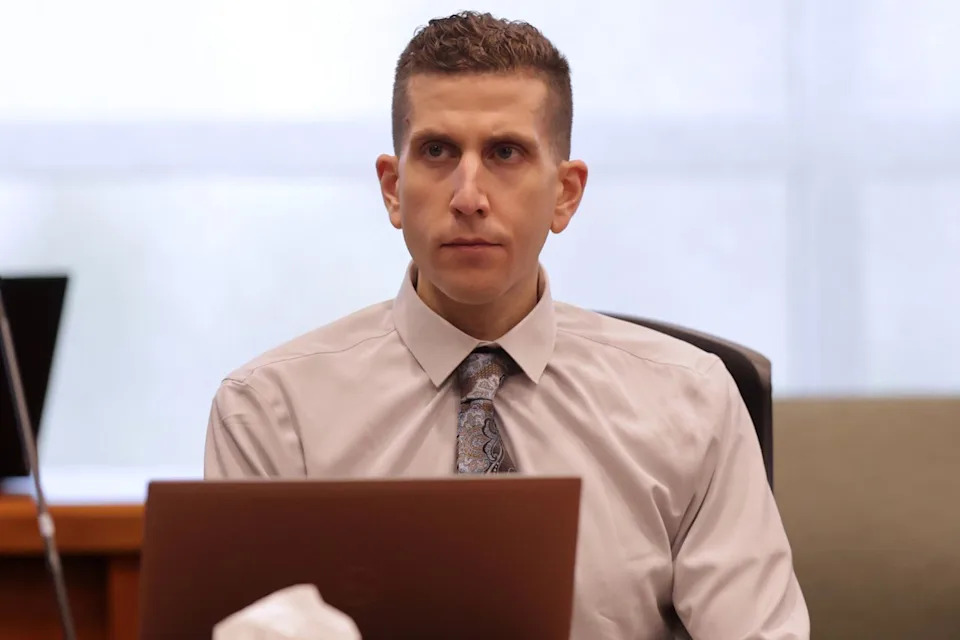
Bryan Kohberger at his plea haring in Jukly 2025Credit: Kyle Green-Pool/Getty
Based on testing, observation and collateral interviews, Orr diagnosed Kohberger with four current conditions:
- Autism Spectrum Disorder (Level 1), Without Intellectual Or Language Impairment
- Obsessive-Compulsive Disorder (OCD)
- Attention-Deficit/Hyperactivity Disorder (ADHD)
- Avoidant/Restrictive Food Intake Disorder (ARFID)
Orr also concluded Kohberger had previously met diagnostic criteria for four additional conditions, including:
- Developmental Coordination Disorder (DCD)
- An Unspecified Depressive Disorder
- Anorexia Nervosa
- Opioid Use Disorder Related To Past Heroin Use (Noted As In Sustained Remission)
Legal Proceedings
Kohberger did not contest his competency when entering his guilty plea. On July 2, 2025, he pleaded guilty to the killings of four University of Idaho students—Madison Mogen, 21; Kaylee Goncalves, 21; Xana Kernodle, 20; and Ethan Chapin, 20—and was sentenced three weeks later to four life terms plus an additional term for burglary. In July 2026, he filed a motion seeking to withdraw his guilty plea on the grounds of ineffective assistance of counsel; prosecutors had not yet filed a response as of the time the evaluation was referenced in court filings.
Takeaway
The unsealed report provides clinical detail underlying the defense’s claim that Kohberger has longstanding neurodevelopmental and mental-health conditions. The evaluation was prepared to inform the court and, if necessary, rebut prosecutorial assertions about his mental health rather than to mount an insanity defense.
Note: This article summarizes clinical findings contained in a court document and public filings. It does not assert causal links between diagnoses and criminal behavior; clinical diagnoses are descriptive and do not determine legal responsibility.
Help us improve.